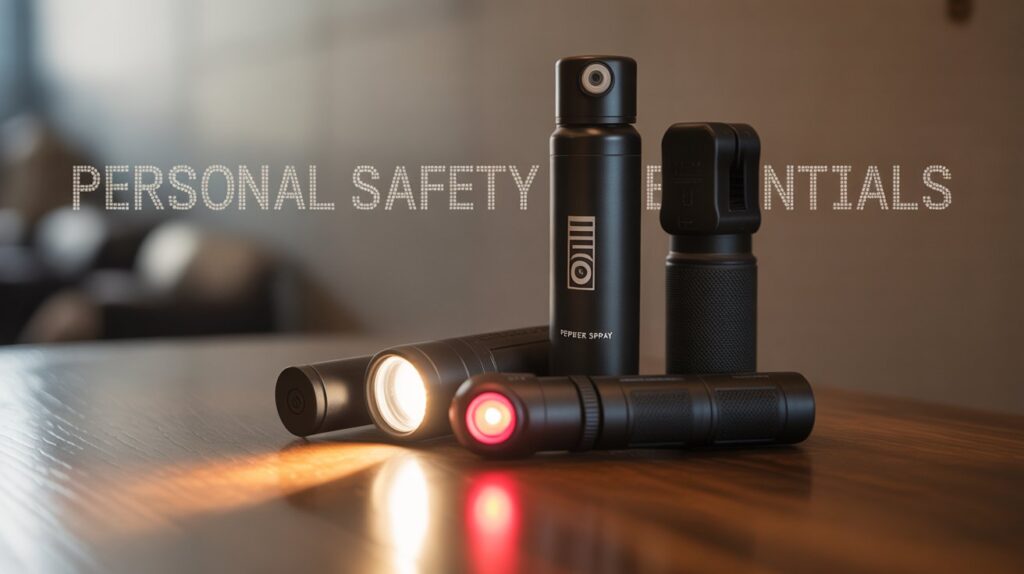
Mastering Pepper Spray: Safety Tips and Effective Use
When personal safety feels like a moving target, a compact canister of pepper spray can become a practical line of defense. Yet its power is a double‑edged sword: mishandling can put you, bystanders, or even the law on the wrong side of a complaint. This guide walks you through pepper spray safety and use, from the chemistry inside the can to the steps you should take after you’ve deployed it.
What’s Inside a Pepper Spray Canister?
Most civilian formulations rely on oleoresin capsicum (OC), an extract of hot peppers that irritates mucous membranes. In the United States, legal products typically contain between 2 % and 10 % OC, though concentrations can vary overseas. The active ingredient is delivered as a fine mist or stream, designed to reach the eyes, nose, and throat of an attacker.
Because the spray causes temporary pain, tearing, and difficulty breathing, its effects usually last from 15 minutes up to half an hour. The discomfort fades as the body’s natural defenses clear the irritant, but the lingering visual blur can persist longer for some people.
Legal Landscape: Know the Rules Before You Buy
Legislation differs not only from state to state but also between municipalities. In many U.S. jurisdictions, a civilian can carry up to 2.5 ounces of pepper spray without a permit, but some cities cap the size at 0.5 ounces or outright ban it. Internationally, countries such as the United Kingdom classify OC as a prohibited weapon, while Canada allows limited “defense sprays” with stricter labeling.
- Check local statutes. A quick search on your city’s official website will reveal any size limits or licensing requirements.
- Age restrictions. Most places set the minimum age at 18, though some allow younger users with parental consent.
- Transport rules. Keep the canister in an accessible but secure location—never store it in a checked bag on an airplane.
Choosing the Right Canister for Your Needs
The market offers a spectrum of designs: key‑chain models, pocket‑size cylinders, and larger “defender” cans with extended range. Here are the main factors to weigh:
- Range. A stream can reach 10‑15 feet, while a fog or cone spray blankets a 5‑foot radius. If you anticipate close‑quarters encounters, a fogger may be more effective.
- Safety mechanisms. Some products feature a twist‑guard or flip‑top that prevents accidental discharge. If you’re nervous about a stray click, prioritize a can with a dual‑action lock.
- Size and weight. A 0.5‑ounce key‑chain is easy to carry daily, but a 2‑ounce cylinder offers longer spray time and a broader spray pattern.
Handling and Storage: Preventing Accidents
Even the best‑rated spray is useless if it never fires when needed. Treat your pepper spray like any other safety tool:
- Inspect the canister monthly for dents, leaks, or rust.
- Store it at room temperature; extreme cold can reduce pressure, while heat can cause the propellant to expand.
- Practice the deployment motion without spraying—mimic the grip, thumb pressure, and aim to build muscle memory.
Most manufacturers recommend a “dry‑fire” test: aim the can at a hard surface, depress the trigger, and listen for the hiss. If nothing happens, replace the unit.
Deploying Pepper Spray Effectively
When a threat materializes, clarity of action matters more than speed. Follow these steps:
- Identify an escape route. Your primary goal is to get away; the spray is a tool to create distance.
- Adopt a stable stance. Plant your feet shoulder‑width apart, keep the can at eye level, and angle it slightly downward.
- Aim for the face. Target the eyes and nose; a brief burst of 1‑2 seconds usually suffices.
- Withdraw immediately. As the spray lands, move laterally or backward, keeping an eye on the attacker’s reaction.
Remember, pepper spray is most effective when the attacker is within the product’s advertised range. Over‑reaching can waste the canister and leave you vulnerable.
After the Spray: What to Do Next
Once the immediate danger subsides, you’ll want to manage the aftermath responsibly:
- Leave the scene. If possible, head to a public area and call 911, describing the incident and any injuries.
- Document details. Note the time, location, and a description of the assailant. This information helps law enforcement and may be useful for insurance claims.
- Seek medical attention. Even though pepper spray is non‑lethal, the irritant can trigger severe eye irritation or respiratory issues, especially for those with asthma.
- Secure the canister. If the spray remains, store it safely for future use. If it’s depleted, replace it promptly.
Common Mistakes and How to Avoid Them
Even seasoned users fall into traps that diminish the spray’s effectiveness. Here are the pitfalls you’ll hear about most often:
- Holding the can upside down. The nozzle is calibrated for a specific angle; an upside‑down discharge can spray onto you.
- Spraying into the wind. A gust can blow the irritant back, affecting you or nearby bystanders.
- Using it as a “first‑strike” weapon. Pepper spray is a defensive measure; engaging an attacker before you have a clear escape path can escalate the situation.
- Relying on a single burst. If the first spray doesn’t incapacitate the threat, a second short burst (no longer than 2 seconds) may be necessary—but avoid over‑spraying, which can deplete the can quickly.
FAQs
Can pepper spray be used on pets?
While OC irritates most mammals, using it on a dog or cat can cause intense pain and may be considered animal cruelty in many jurisdictions. It’s best to avoid deploying spray on animals unless absolutely necessary for personal safety.
How long does a pepper spray can last in storage?
Most manufacturers guarantee effectiveness for 2‑3 years if stored in a cool, dry place. After that, the propellant pressure may decline, reducing range and spray volume.
Is pepper spray legal for minors?
Generally, minors under 18 cannot purchase pepper spray, though some states allow parental ownership for a teen’s self‑defense. Always verify local age restrictions before gifting or providing a canister.
What should I do if I accidentally spray myself?
Move to fresh air immediately, avoid rubbing your eyes, and flush the affected area with cool water for several minutes. Over‑the‑counter saline eye drops can help soothe irritation, but seek medical help if symptoms persist.