Pepsi Zero Sugar: The Complete Guide to Taste, Health & More
What Sets Pepsi Zero Sugar Apart?
When you pop open a can of Pepsi Zero Sugar, the first thing you notice is the familiar cola kick without the sugar rush. It’s marketed as “zero‑calorie, zero‑sugar,” but the flavor profile aims to mimic classic Pepsi more closely than diet variants do. The result is a crisp, slightly sweeter bite that many fans claim feels “more like the real thing.”
Ingredients and Sweeteners: A Closer Look
The formula is a blend of carbonated water, caramel color, phosphoric acid, and caffeine, plus a duo of high‑intensity sweeteners: aspartame and acesulfame potassium (often abbreviated Ace‑K). These compounds are about 200 times sweeter than sugar, so only a pinch is needed to hit the desired sweetness level.
- Aspartame – Provides a clean, sugar‑like taste but can break down at high temperatures.
- Ace‑K – Adds a subtle, lingering sweetness that helps balance the aftertaste of aspartame.
Both are approved by major food‑safety agencies, yet some consumers prefer to limit artificial sweeteners for personal reasons.
Nutrition Snapshot
One 12‑oz (355 ml) can of Pepsi Zero Sugar typically contains:
- Calories: 0
- Total Fat: 0 g
- Sodium: 30 mg
- Total Carbohydrates: 0 g
- Protein: 0 g
- Caffeine: 69 mg
Because it’s calorie‑free, it can fit into most diet plans, but the caffeine content is comparable to regular Pepsi, so it still offers that mild stimulant effect.
How It Compares to Regular Pepsi and Diet Pepsi
Regular Pepsi delivers about 150 calories and 41 g of sugar per 12‑oz serving, while Diet Pepsi uses only aspartame. Pepsi Zero Sugar, by contrast, combines two sweeteners to mimic the sugar‑sweetness curve more accurately. Taste tests often place it between regular and diet versions—sweeter than Diet Pepsi but without the syrupy heaviness of the original.
Health Considerations and Myths
Zero‑calorie sodas are frequently debated in nutrition circles. Here are a few points that often get misunderstood:
- Weight Management: Swapping sugary soda for a zero‑calorie alternative can reduce overall calorie intake, but it’s not a magic bullet. Overall diet quality still matters.
- Blood Sugar Impact: Artificial sweeteners do not raise blood glucose, making Pepsi Zero Sugar a safer option for people monitoring blood sugar levels.
- Dental Health: The acidity from phosphoric acid can erode enamel over time, regardless of sugar content.
In short, it’s a lower‑calorie choice, but moderation remains key.
Where to Find It and What Sizes Are Available?
Pepsi Zero Sugar is sold in most major supermarkets, convenience stores, and online retailers. Common packaging includes:
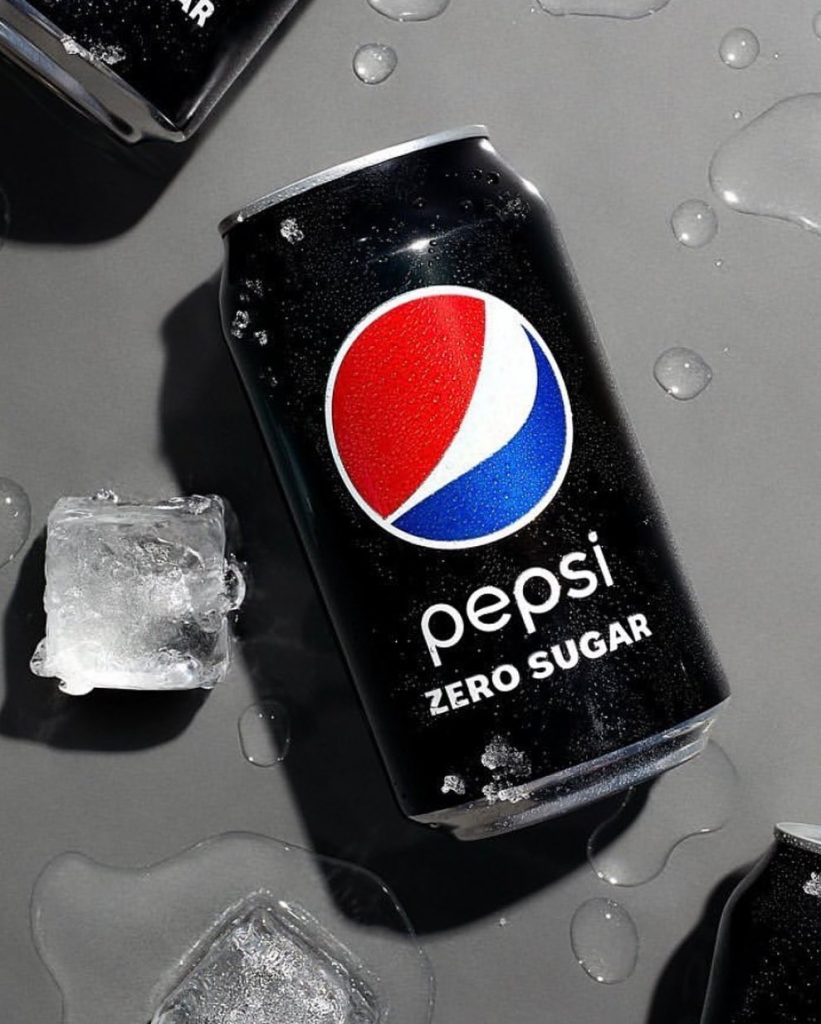
- 12‑oz cans
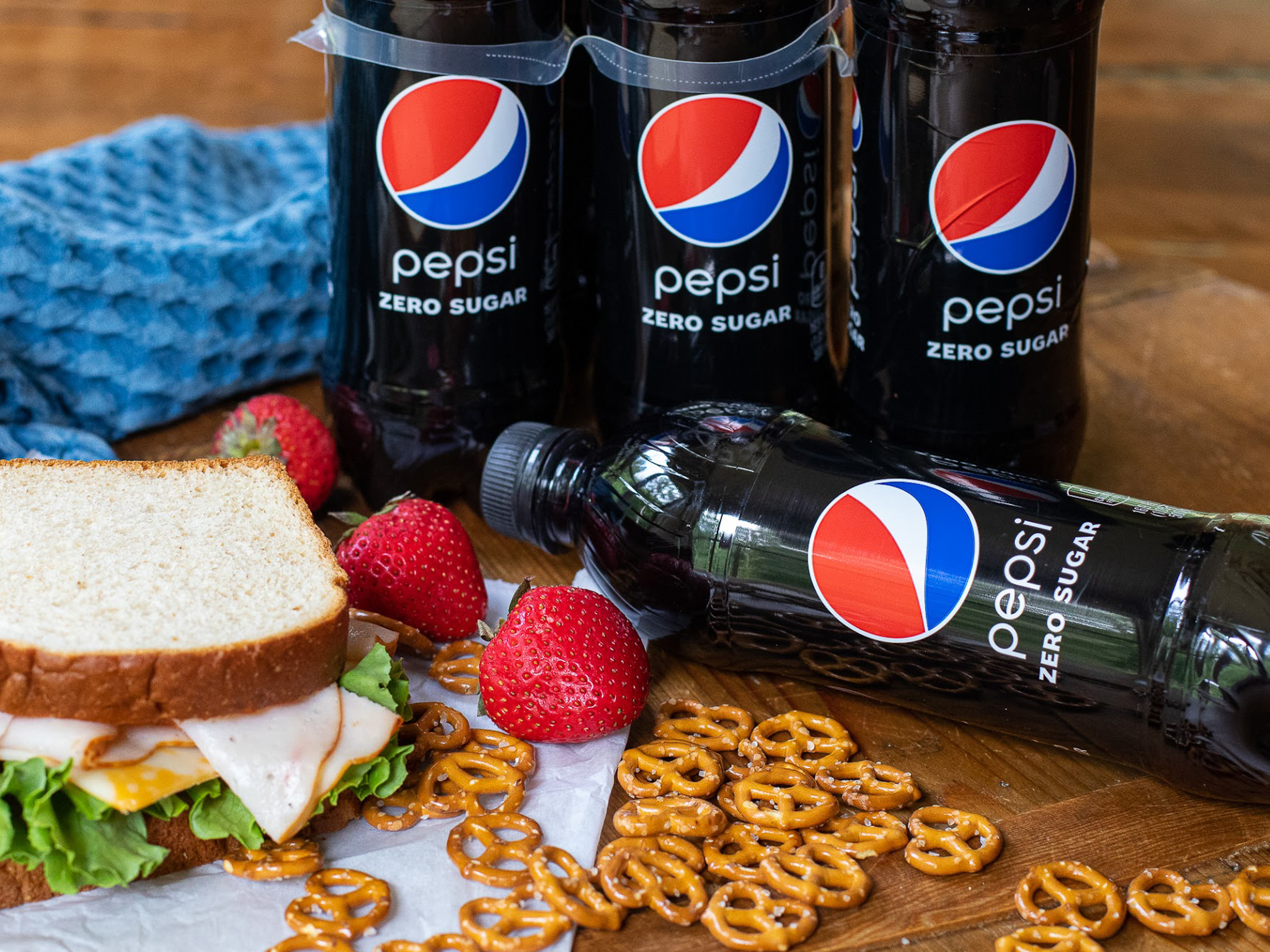
- 20‑oz bottles
- 2‑liter plastic bottles (often labeled “Pepsi Zero” in some markets)
Seasonal limited‑edition flavors—like cherry or vanilla—sometimes appear, adding a twist for adventurous drinkers.
Creative Uses: Beyond the Classic Can
Because it’s sugar‑free, Pepsi Zero Sugar works well in mixed drinks and culinary experiments. A few ideas:
- Mocktails: Mix with fresh lime juice and a splash of grenadine for a low‑calorie “virgin” rum punch.
- Cooking: Use as a glaze for pork ribs; the carbonation helps tenderize the meat while the caramel color adds richness.
- Float: Pair with a scoop of low‑fat vanilla ice cream for a “zero‑sugar” soda float.
Consumer Feedback: What Do Drinkers Say?
Online reviews tend to cluster around three themes: taste, aftertaste, and health perception. Many praise the “real cola” flavor, while a subset mentions a faint metallic note that can linger. Those who are sensitive to artificial sweeteners often opt for plain water or sparkling mineral water instead.
Future Directions: What Might Change?
PepsiCo periodically tweaks formulations to respond to consumer trends. Rumors suggest a possible shift toward natural sweeteners like stevia in certain regions, but as of now, the core blend remains unchanged. Keep an eye on product announcements if you’re interested in a “clean label” version.
Frequently Asked Questions
Is Pepsi Zero Sugar safe for people with phenylketonuria (PKU)?
Because it contains aspartame, individuals with PKU should avoid it or consult their healthcare provider, as aspartame breaks down into phenylalanine.
Does the caffeine content differ by country?
Generally, the caffeine level stays around 69 mg per 12‑oz can worldwide, though some markets may offer a “caffeine‑free” variant.
Can I use Pepsi Zero Sugar in a regular cola recipe for baking?
Yes, it can replace sugary soda in recipes like chocolate cake or brownies, cutting down on added sugar while still providing moisture and flavor.
Will drinking Pepsi Zero Sugar affect my gut microbiome?
Current research shows mixed results; some studies suggest artificial sweeteners may influence gut bacteria, but definitive conclusions are still pending.