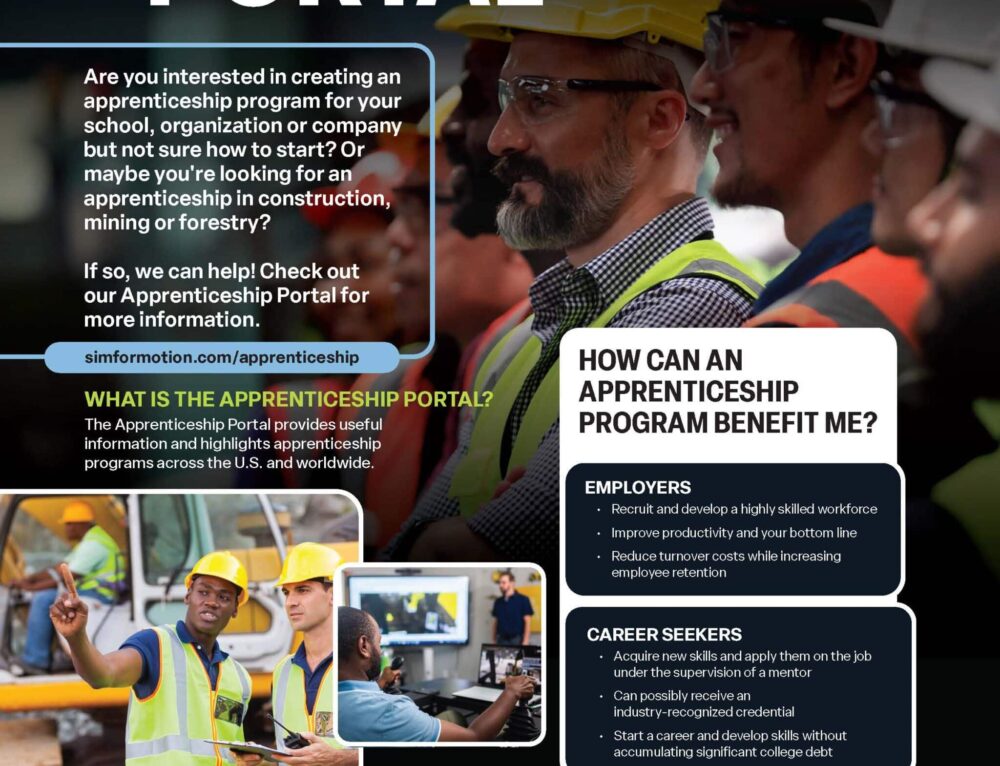
Real‑World Apprenticeship Training: Success Stories and Lessons
When you hear “apprenticeship training,” you might picture a shop floor or a trades school. In reality, modern apprenticeships stretch far beyond the traditional crafts, weaving into tech labs, hospitals, and even renewable‑energy sites. Below are real‑world examples of apprenticeship training that illustrate how companies blend hands‑on learning with pay, while also answering the big questions newcomers often have.
Why Apprenticeship Training Still Matters
Employers today face two pressing challenges: a shortage of skilled workers and the need to upskill quickly as technology evolves. Apprenticeships solve both by offering a structured pathway where novices earn while they learn. For the apprentice, the model provides a clear career ladder, mentorship, and a paycheck—far more attractive than unpaid internships. The result is a workforce that’s not only technically competent but also culturally aligned with the organization.
Real‑World Examples Across Industries
Below are six standout programs that demonstrate how apprenticeship training can be tailored to wildly different sectors.
- Automotive Manufacturing – Ford Motor Company: Ford’s “Apprenticeship for the Future” pairs new hires with seasoned line technicians. Over a 12‑month cycle, apprentices rotate through stamping, paint, and assembly stations, earning a journeyman certification while receiving a wage that scales with skill milestones.
- Technology – Google Career Certificates: Google’s apprenticeship pathway blends online coursework with a 6‑month on‑site rotation in data analytics, UX design, or IT support. Participants work alongside full‑time engineers, gaining real project exposure and, upon completion, a clear route to a full‑time role.
- Healthcare – NHS Apprenticeships (UK): The National Health Service runs apprenticeship routes for roles ranging from physiotherapy assistants to health informatics technicians. Learners split time between classroom study and ward placements, ultimately earning a nationally recognised qualification and a salary comparable to entry‑level staff.
- Construction – Bechtel: The global engineering giant offers a 2‑year apprenticeship in civil construction management. Trainees shadow project managers, handle site safety audits, and learn BIM (Building Information Modeling) tools, emerging ready to lead their own projects by the program’s end.
- Culinary Arts – Le Cordon Bleu: Partnering with hospitality groups, Le Cordon Bleu runs apprenticeship tracks where chefs spend half the week in a professional kitchen and half in classroom labs. Graduates leave with a Diplôme de Cuisine and a portfolio of dishes served at real restaurants.
- Renewable Energy – Vestas Wind Systems: Vestas’ turbine‑maintenance apprenticeship blends classroom modules on aerodynamics with on‑site service calls. Apprentices earn a Danish certification in wind‑turbine technology, positioning them for high‑demand roles as the green‑energy sector expands.
What ties these stories together? A focus on measurable skill milestones, mentorship, and a clear credential that translates into a full‑time position.
Key Takeaways for Employers and Learners
Whether you’re a company contemplating an apprenticeship program or a prospective apprentice weighing options, keep these practical points in mind.
- Design a competency ladder. Break the role into bite‑size skill blocks and tie each to a pay bump or certification.
- Pair learning with real projects. Apprentices retain knowledge better when they see immediate impact on business outcomes.
- Invest in mentorship. A dedicated mentor reduces onboarding time and builds a culture of continuous improvement.
- Align with industry standards. Certifications that are recognised beyond your organization boost the apprentice’s employability.
- Measure outcomes. Track retention rates, promotion speed, and productivity gains to justify the program’s ROI.
Frequently Asked Questions
What is the difference between an apprenticeship and an internship? An apprenticeship is a paid, structured program that combines on‑the‑job training with formal education and often leads to a recognized credential. Internships are usually shorter, may be unpaid, and focus more on exposure than skill mastery.
How long does a typical apprenticeship last? Duration varies by industry and skill level. Trade‑based apprenticeships often span 2–4 years, while tech or service‑sector programs may be as short as 6 months to a year.
Can apprenticeship credits count toward a degree? Many apprenticeships partner with colleges or universities, allowing completed modules to transfer as credit toward associate or bachelor’s degrees—especially in fields like engineering, health sciences, and IT.