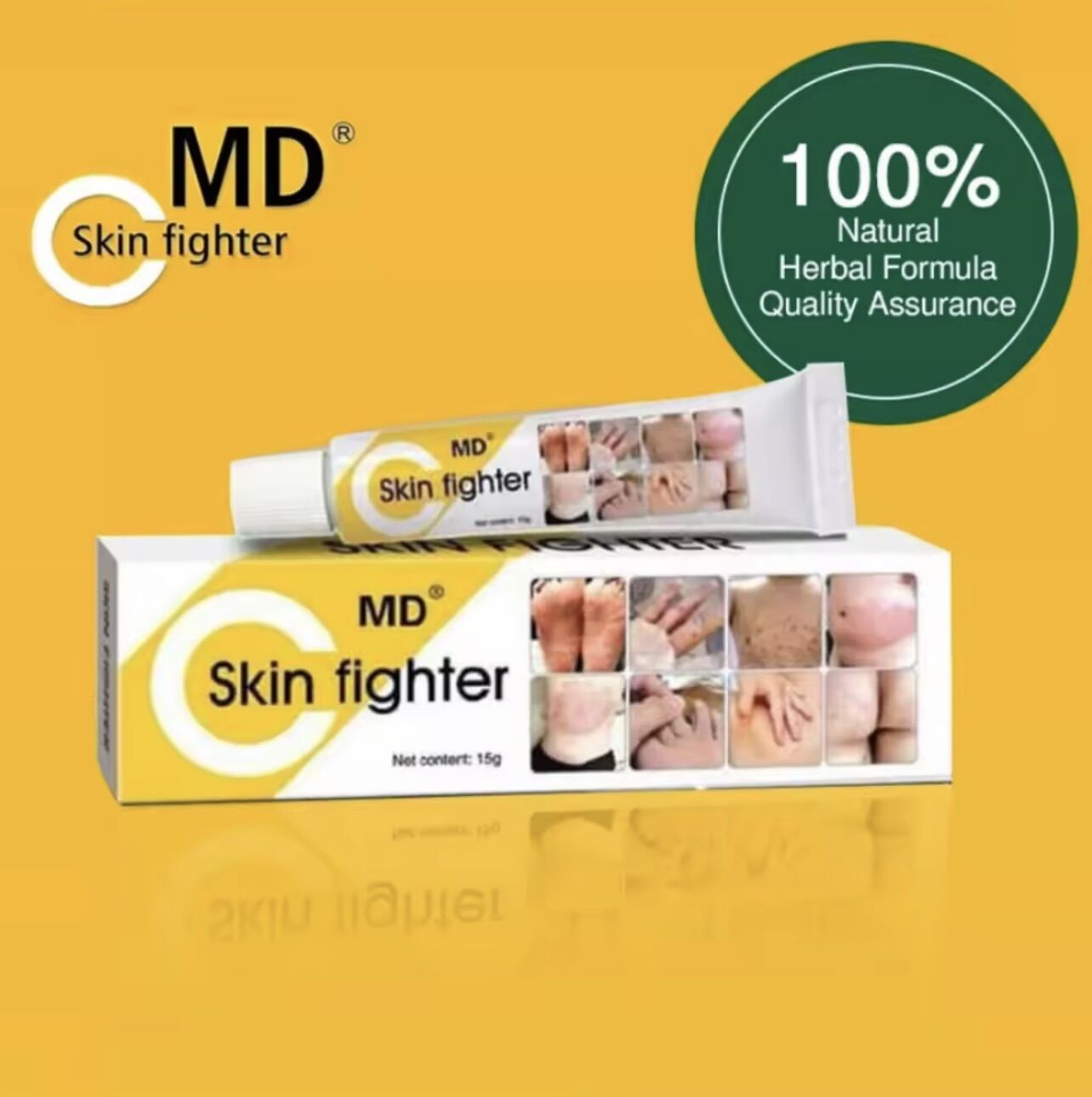
Skin Fighter Ointment: The Go‑To Healer for Cuts and Scrapes
What Sets Skin Fighter Apart from Everyday Band‑Aid Solutions
When a kitchen knife nick or a backyard tumble leaves a raw edge, most of us reach instinctively for a band‑aid or a generic antiseptic cream. Skin Fighter Ointment promises to be more than a band‑aid filler; it aims to accelerate healing while guarding against infection. The claim isn’t just marketing fluff—its blend of time‑tested ingredients gives it a functional edge that ordinary adhesive strips simply lack.
Key Ingredients and How They Work Together
The strength of any wound‑care product lies in the chemistry beneath the surface. Skin Fighter combines three well‑known agents, each contributing a distinct benefit.
Zinc Oxide: The Protective Shield
Zinc oxide has been a staple in diaper rash creams for decades. It creates a breathable barrier that keeps moisture out while still allowing oxygen to reach the wound, a balance crucial for tissue regeneration. In practice, this means the affected skin stays dry enough to deter bacterial overgrowth, yet it isn’t suffocated.
Aloe Vera: Soothing Moisture
Extracted from the succulent leaf of the aloe plant, aloe vera is prized for its gel‑like consistency and soothing properties. It delivers a gentle surge of hydration, which helps cells migrate across the wound bed more efficiently. Users often notice reduced redness and a cooling sensation within minutes of application.
Tea Tree Oil: Natural Antiseptic
Derived from the leaves of Melaleuca alternifolia, tea tree oil carries a mild antimicrobial punch. Unlike harsh alcohol‑based antiseptics that can sting and dry the skin, tea tree oil works quietly, inhibiting common pathogens such as Staphylococcus aureus and Streptococcus species.
When to Reach for Skin Fighter Ointment
Skin Fighter shines on minor injuries that expose the epidermis but stop short of deep tissue damage. Typical scenarios include:
- Small cuts from kitchen knives or scissors
- Scrapes from bike falls or playground tumbles
- First‑degree burns, like a brief contact with a hot pan
- Insect bites that have become inflamed
For puncture wounds, animal bites, or anything that continues to bleed after a few minutes of pressure, professional medical care remains the best route.
How to Apply for Best Results
- Wash your hands thoroughly with soap and water.
- Gently clean the wound with mild saline or lukewarm water; avoid harsh scrubbing.
- Pat the area dry with a clean towel—no rubbing.
- Using a sterile cotton swab, spread a thin layer of Skin Fighter over the entire wound surface.
- Cover with a non‑adhesive gauze if the area is likely to get dirty; otherwise, leave uncovered to let the ointment breathe.
- Reapply 2–3 times daily, especially after showering or if the dressing becomes damp.
Consistency is key; the ointment’s protective film works best when kept intact.
Potential Drawbacks and Who Should Avoid It
No product is universally perfect. A small minority may experience mild skin irritation, typically from the tea tree component. People with known allergies to zinc oxide, aloe, or essential oils should test a tiny patch on the forearm before full application. Additionally, the ointment is not formulated for mucous membranes—so keep it away from eyes, mouth, and genitals.
Where to Buy and What to Look for in the Packaging
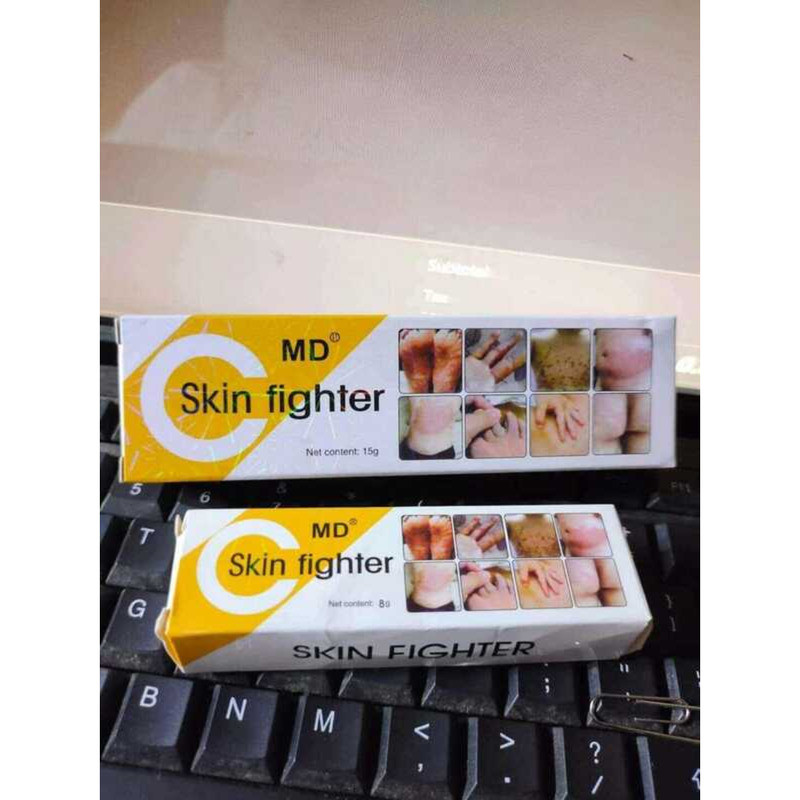
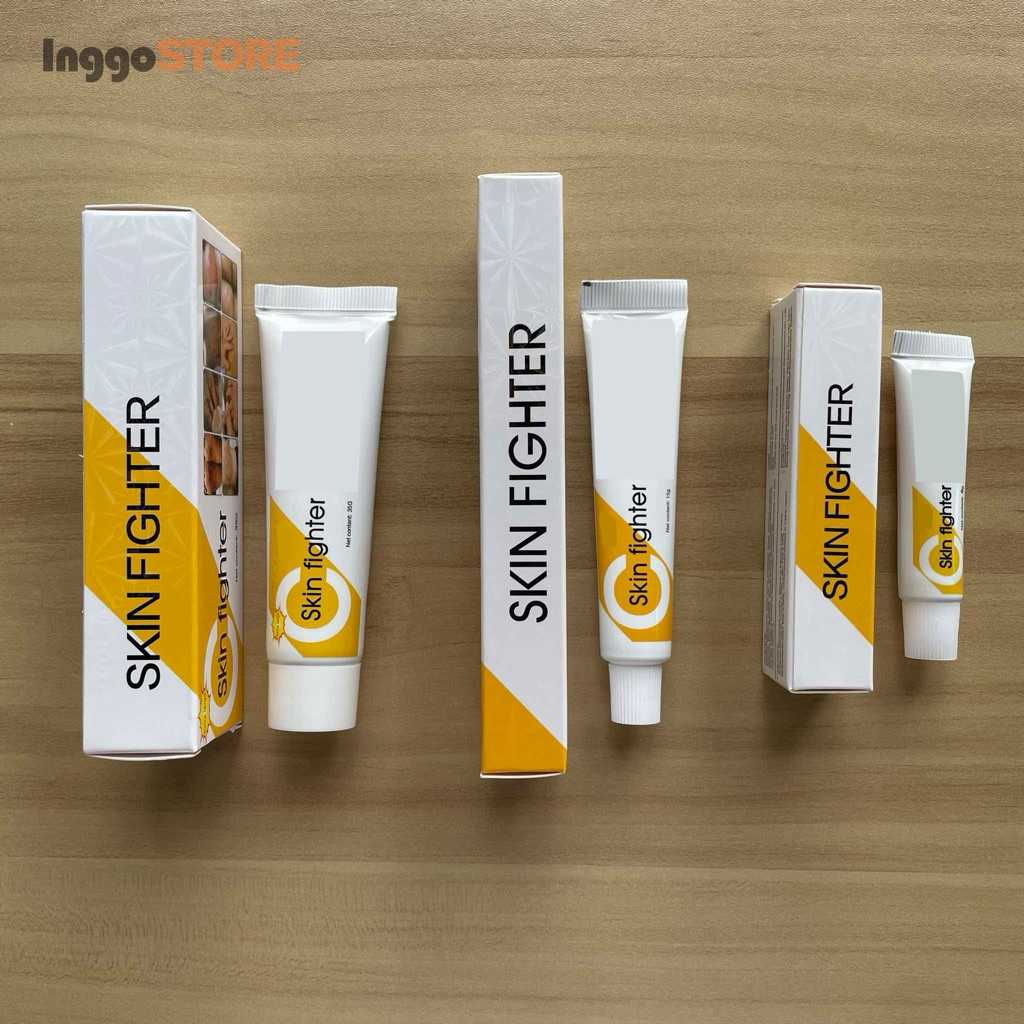
Skin Fighter is stocked in most drugstores, big‑box retailers, and reputable online marketplaces. When purchasing, check that the tube bears a clear expiration date and a tamper‑evident seal. Authentic products display a batch code and the manufacturer’s contact information on the back label—details that counterfeit versions often omit.
Price points vary, but bulk packs usually deliver a modest per‑unit discount. If you’re buying online, prioritize sellers with verified customer reviews and a return policy; this adds a layer of protection against counterfeit or damaged stock.
Frequently Asked Questions
Can Skin Fighter be used on a fresh insect bite? Yes, applying a thin layer soon after the bite can soothe itching and reduce the chance of secondary infection.
Is it safe to apply Skin Fighter under a plaster? Absolutely, as long as the plaster isn’t adhesive directly on the ointment. The non‑stick layer helps keep the ointment in place while still allowing airflow.
How long does it typically take for a small cut to heal with Skin Fighter? Most superficial cuts improve noticeably within 48‑72 hours and close completely in about a week, assuming proper care and no complications.
Can I use Skin Fighter on children? The ointment is generally safe for kids over the age of two, but for infants or toddlers, a pediatrician’s advice is advisable.