Step‑by‑Step Guide to Teaching English at a Summer Camp in Spain
Imagine swapping your classroom for a sun‑drenched courtyard, where the clatter of soccer balls mixes with giggles in a language you’re helping shape. Teaching English at a summer camp in Spain offers exactly that blend of adventure and impact. Whether you’re a fresh graduate, a seasoned teacher, or simply a language lover seeking a seasonal escape, this guide walks you through the practicalities, the perks, and the occasional hiccup of the experience.
Why Choose a Spanish Summer Camp?
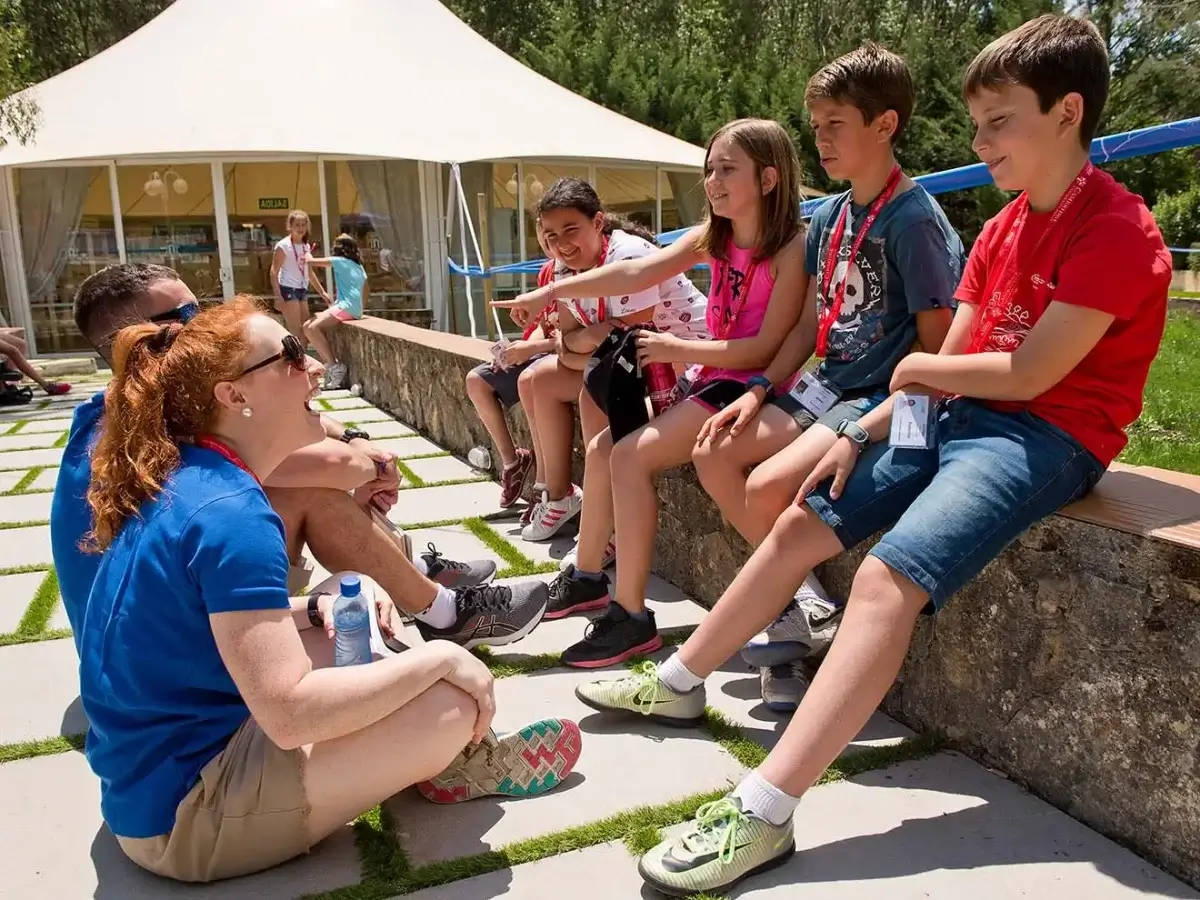
Spain’s summer camps are more than just holiday programs; they’re cultural incubators. Kids from Madrid, Valencia, or even distant villages converge for weeks of sport, arts, and language immersion. As an English instructor, you become a bridge between their native tongue and the global lingua franca, often without the pressure of formal school curricula. The setting itself—Mediterranean breezes, historic towns, and endless beaches—adds a layer of motivation for both teacher and student.
Getting Your Foot in the Door
The first step is locating reputable camps. Most operate under a “summer school” umbrella and advertise on sites like SummerCampsSpain.com or through local language schools. Look for camps that:
- Provide clear contracts outlining salary, housing, and working hours.
- Require a TEFL/TESOL certificate or a degree in education.
- Offer structured training before the children arrive.
Reach out with a concise email: introduce yourself, attach your résumé, and mention any previous teaching or youth‑work experience. A short video introduction can set you apart—camp directors often appreciate seeing personality before committing.
Essential Qualifications and Preparation
While a formal teaching credential isn’t always mandatory, most camps prefer candidates with:
- A TEFL/TESOL or CELTA certification (120‑hour courses are standard).
- Fluency in English and at least a basic grasp of Spanish; it shows respect for the host culture.
- Experience leading group activities—whether in a classroom, sports field, or arts studio.
If you lack a certification, many camps sponsor intensive bootcamps before the season starts. It’s a worthwhile investment, especially because it equips you with classroom management techniques tailored to a camp’s dynamic environment.
What to Expect on a Typical Day
Daily schedules vary, but most follow a rhythm that balances structured lessons with free‑play and cultural outings. A typical day might look like this:
- 08:30–09:30 – Arrival, breakfast, and informal “ice‑breaker” games.
- 09:45–11:30 – English workshop focused on conversation, games, or themed vocabulary.
- 12:00–13:00 – Lunch break (often a mix of Spanish and international dishes).
- 13:30–15:00 – Outdoor activity: soccer, hiking, or a beach cleanup narrated in English.
- 15:15–16:45 – Creative session—crafts, music, or drama—using English instructions.
- 17:00–18:00 – Free time, followed by a short reflection circle where campers share what they learned.
Flexibility is key; weather, local festivals, or unexpected trips can shift the timetable. Embracing spontaneity often leads to the most memorable teaching moments.
Compensation, Housing, and Perks
Most camps cover accommodation—usually a shared house or on‑site dormitory—and meals. Salaries range from €800 to €1,400 per month, depending on camp size, location, and your experience level. Some camps also provide a modest travel stipend, health insurance, and occasional bonuses for extra responsibilities.
Beyond pay, the intangible perks are plentiful: you’ll pick up conversational Spanish, build an international network of fellow educators, and collect stories that will enrich any future résumé or teaching portfolio.
Navigating Cultural Nuances
Spanish camp culture leans heavily on communal values and a relaxed attitude toward time—what locals call “la hora española.” Arriving a few minutes late is generally acceptable, but it’s courteous to inform the coordinator. Also, be mindful of regional customs; for instance, in Catalonia, you might hear both Spanish and Catalan, while in Andalusia, the rhythm of conversation is slower and more expressive.
Integrating a few Spanish phrases—¡Buenos días! or ¡Vamos!—into your English lessons can foster rapport and demonstrate cultural respect. Campers appreciate instructors who make an effort, even if the pronunciation is imperfect.
Classroom Strategies That Shine at Camp
Traditional lecture methods rarely thrive in a camp setting. Instead, try these approaches:
- Game‑based learning: Vocabulary bingo, treasure hunts, or “English only” relay races keep energy high.
- Story circles: Begin a story in English, let each camper add a sentence, and watch creativity blossom.
- Project‑based tasks: Have groups design a mini‑tour guide brochure in English for a nearby town.
These activities not only reinforce language skills but also align with the camp’s broader goal of fostering teamwork and confidence.
Common Challenges and How to Overcome Them
Even the most enthusiastic teachers encounter bumps. A few frequent issues include:
- Mixed proficiency levels: Pair stronger speakers with beginners for peer support, and adjust tasks to include optional challenges.
- Homesickness: Encourage campers to keep a “language diary” where they jot down thoughts, fostering both reflection and English practice.
- Weather disruptions: Have indoor fallback activities—board games, karaoke, or cooking demos—that still incorporate English.
Staying adaptable and maintaining a positive demeanor usually turns obstacles into learning opportunities.
Preparing for Your Arrival
Before you board the plane, tick off these basics:
- Secure a passport and, if required, a short‑term work visa (most EU citizens won’t need one, but non‑EU nationals should check Spain’s “Seasonal Worker” regulations).
- Purchase travel insurance that covers health and repatriation.
- Pack lightweight clothing, a comfortable pair of shoes for outdoor activities, and a few modest outfits for evenings.
- Bring a small notebook—digital or paper—to record lesson ideas, cultural observations, and personal reflections.
Arriving a day early gives you a chance to meet fellow staff, familiarize yourself with the facilities, and perhaps explore the local market for fresh fruit and tapas.
Making the Most of Your Experience
Beyond teaching, treat your stint as a cultural immersion. Join weekend excursions to historic sites like the Alhambra or the Roman aqueduct in Segovia. Sample regional dishes—paella, gazpacho, churros—and try to converse with locals in Spanish. These experiences not only enrich your personal life but also provide authentic anecdotes you can weave into future lessons.
FAQ
What qualifications are needed to teach English at a Spanish summer camp?
Most camps require a TEFL/TESOL or CELTA certification (120‑hour courses are typical) and a bachelor’s degree, though some accept proven experience in youth work or tutoring. Basic Spanish helps but isn’t mandatory.
How much can I expect to earn?
Monthly salaries usually fall between €800 and €1,400, depending on the camp’s location, size, and your experience. Housing and meals are typically included, which offsets living costs.
What does a typical daily schedule look like?
Days start with breakfast and a short greeting circle, followed by two English‑focused sessions (often one classroom‑based and one activity‑based). Lunch is communal, then campers enjoy sports or cultural outings, ending with a reflection period before dinner.
Do I need a work visa?
If you’re an EU citizen, no visa is required for short‑term work. Non‑EU nationals should apply for a seasonal work visa, which the camp’s organizer can usually assist with.