The Top Sports Women Thrive In – A Complete Guide
Finding the right sport can feel like a personal quest—something that fits your body, schedule, and enthusiasm. Whether you’re chasing a competitive edge or simply craving a fun way to stay fit, the landscape of options is broader than ever. Below we explore the best sports for women, why they shine, and how to choose the one that matches your goals.
Best Sports for Women: What to Consider
Before diving into specific activities, think about three key factors: physical demands, community vibe, and personal interest. Some sports, like swimming, are low‑impact and great for joint health, while others, such as soccer, demand high cardiovascular stamina. The social side matters too—team sports often foster lasting friendships, whereas solo pursuits can offer meditative focus.
Endurance and Cardio Champions
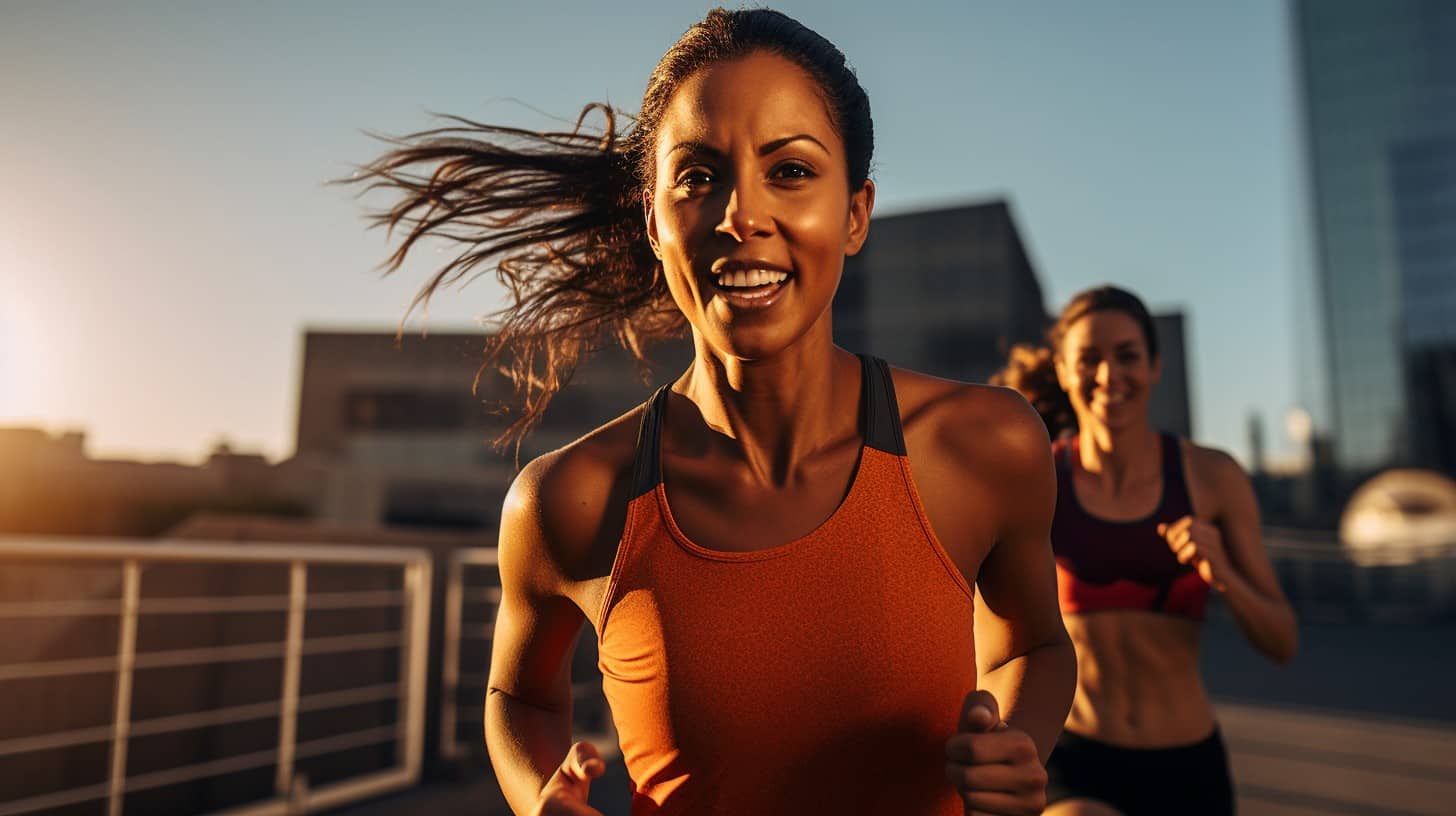
Running and cycling consistently rank high among women seeking cardiovascular health and mental clarity. Both are adaptable: a jog around the block, a weekend road race, or a spin class can fit a busy schedule. Studies show regular endurance training improves mood, bone density, and heart function, making these activities solid foundations for any fitness plan.
- Running: Minimal gear, flexible routes, and a supportive community of local clubs.
- Cycling: Low‑impact on joints, perfect for exploring outdoors or indoor spin studios.
- Triathlon: Combines swimming, biking, and running for an all‑around challenge.
Team Sports that Empower
Team dynamics can boost motivation and provide a built‑in accountability partner. Soccer, basketball, and volleyball are especially popular because they blend skill development with fast‑paced action. Many colleges and community centers now offer women‑only leagues, ensuring a welcoming environment for newcomers.
- Soccer: Enhances agility, leg strength, and strategic thinking.
- Basketball: Sharpens hand‑eye coordination and encourages quick decision‑making.
- Volleyball: Builds core stability and promotes teamwork through constant communication.
Strength‑Focused Activities
Strength training isn’t just for bodybuilders; it’s essential for bone health and everyday functional movement. Weightlifting, kettlebell circuits, and resistance‑band workouts have seen a surge in female participation. When done with proper form, these routines reduce injury risk and improve posture.
- Weightlifting: Targets major muscle groups; beginners can start with light dumbbells.
- Kettlebell Training: Merges cardio and strength in fluid, dynamic movements.
- Resistance Bands: Portable and perfect for home or travel workouts.
Graceful Power: Dance and Martial Arts
For those who crave fluidity and discipline, dance and martial arts offer a unique blend of fitness and artistry. Ballet, contemporary dance, and even hip‑hop improve balance and flexibility while letting creativity flow. Martial arts such as judo, karate, and Brazilian jiu‑jitsu build confidence, self‑defense skills, and core strength.
- Dance: Burns calories, enhances coordination, and often feels like a social outing.
- Martial Arts: Teaches focus, respect, and practical self‑protection techniques.
- Boxing: Offers high‑intensity cardio and a powerful stress outlet.
Low‑Impact Favorites
If joint preservation is a priority, consider swimming, rowing, or yoga. Water provides natural resistance without stressing knees or hips, while rowing engages the back, legs, and arms in a synchronized motion. Yoga, meanwhile, emphasizes flexibility, breath control, and mental calm—benefits that spill over into everyday life.
- Swimming: Full‑body workout, excellent for cardiovascular health.
- Rowing: Strengthens the posterior chain and improves stamina.
- Yoga: Enhances mobility, reduces stress, and supports mindful movement.
How to Choose the Right Sport for You
Start with a self‑assessment: ask what you enjoy, how much time you can commit, and whether you prefer solo or group settings. Try a few introductory classes or community events—most gyms offer free trial sessions. Finally, listen to your body; the best sport feels rewarding rather than punitive.
Getting Started: Practical Tips
Set realistic goals. Whether it’s “run a 5K in three months” or “attend two yoga classes weekly,” clear targets keep you motivated. Invest in proper gear. Good shoes, appropriate clothing, and safety equipment can prevent injuries. Find a supportive network. Friends, coaches, or online forums provide encouragement and accountability.
FAQ
Q: Is it safe for beginners to start weightlifting?
A: Absolutely—starting with light weights and focusing on technique, possibly under a trainer’s guidance, minimizes risk and builds a solid foundation.
Q: How often should I switch sports to avoid burnout?
A: Many athletes alternate activities seasonally or blend complementary sports (e.g., swimming in summer, indoor cycling in winter) to keep training fresh.
Q: Are team sports more effective for weight loss than solo workouts?
A: Not necessarily; the key is consistency. Some women find the social pressure of a team accelerates adherence, while others thrive on the flexibility of solo routines.
Q: What’s the best sport for improving mental health?
A: Activities that combine movement with mindfulness—like yoga, swimming, or dance—are frequently cited for reducing anxiety and boosting mood.