The Ultimate Guide to .22 Rifles for Sports Shooting
If you’re eyeing a lightweight, low-recoil firearm for target practice or small‑game competition, .22 rifles for sports shooting often top the list. Their modest muzzle velocity keeps costs down while still delivering impressive accuracy, making them a favorite among beginners and seasoned shooters alike. In this guide we’ll walk through the cartridge choices, rifle styles, essential features, and a handful of proven models that strike the right balance between performance and affordability.
Understanding the .22 Cartridge Landscape
Before you pick a rifle, get comfortable with the two main rim‑fire options: the venerable .22 Long Rifle (LR) and the newer .22 Short Mag. The .22 LR dominates the market; it’s cheap, widely available, and works in almost every .22 platform. The .22 Short Mag, while slightly pricier, offers a flatter trajectory and marginally higher velocity—advantages that can translate to tighter groups at longer ranges. Most sports‑shooting events still specify .22 LR, so it’s the safest bet for competition compliance.
Rifle Types: Which Design Fits Your Shooting Style?
Even within the .22 niche, the mechanical layout varies enough to affect handling and precision. Below is a quick rundown of the most common configurations.
- Bolt‑action: Classic, simple, and often the most accurate due to a rigid lock‑up. Ideal for disciplined target shooting.
- Semi‑automatic: Faster follow‑up shots and less recoil buildup—great for dynamic shooting matches where speed matters.
- Single‑shot (single‑loader): Minimal moving parts, superb for learning fundamentals and achieving pinpoint accuracy.
- Lever‑action: Offers a nostalgic feel and smooth cycling, though sometimes at the expense of ultimate precision.
Key Features to Evaluate
When comparing models, focus on these attributes rather than flashy marketing terms.
- Barrel length: Longer barrels (typically 16‑20 inches) improve sight radius and velocity, but add weight. Shorter barrels enhance maneuverability for indoor ranges.
- Weight and balance: A well‑balanced rifle reduces fatigue during extended sessions. Look for a weight range of 5–7 lb for most sports‑shooting applications.
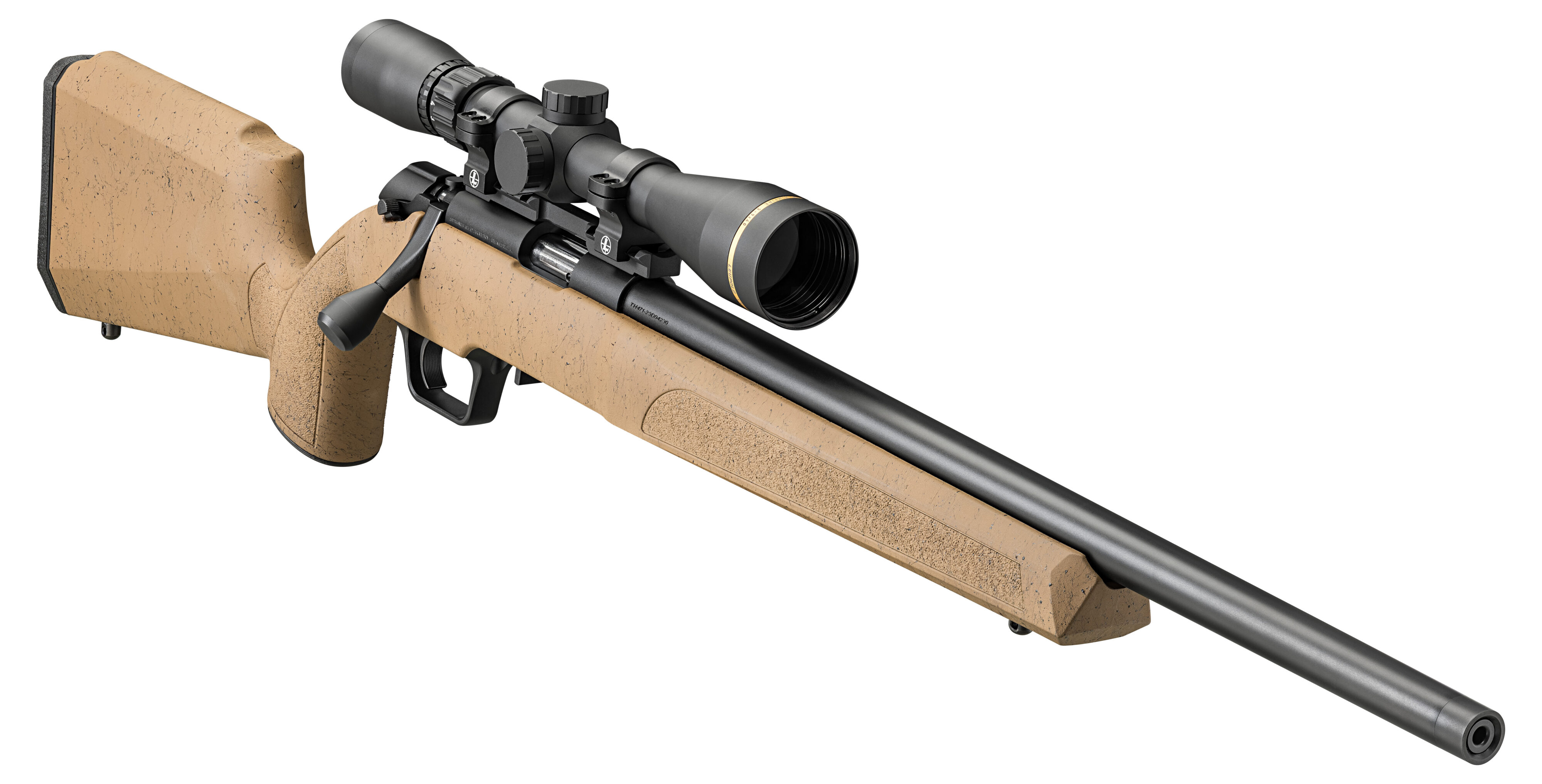
- Sight system: Many shooters start with iron sights, then upgrade to scope mounts. A low‑power 4‑8× scope often provides the best blend of field of view and target acquisition.
- Trigger pull: A crisp, adjustable trigger can shave fractions of a second off your shot time. Aim for a pull weight around 2–4 lb for smooth control.
Top Picks: Proven .22 Rifles for Competitive Shooting
The following models consistently earn high marks in league‑run events and backyard practice alike. Prices reflect typical retail ranges in 2024.
- Ruger 10/22: The benchmark semi‑auto platform, famed for its modularity. The standard model sits near $250, while aftermarket upgrades can push it toward $400.
- Savage Mark II Sport: A bolt‑action rifle with an adjustable AccuTrigger. It delivers tight groups out of the box, often under $300.
- Marlin Model 60: Another reliable semi‑auto, distinguished by its stainless‑steel barrel and smooth feeding—ideal for high‑volume shooting.
- CZ 452 American: A single‑shot rifle that excels in precision disciplines, thanks to a free‑floating barrel and elegant walnut stock, typically priced around $600.
- Winchester Model 70 .22 LR: The “rifleman’s rifle” in a .22 guise—bolt‑action with a classic feel, perfect for shooters who appreciate heritage and accuracy.
Keeping Your .22 Rifle in Peak Condition
Rim‑fire firearms are forgiving, but regular maintenance prolongs life and preserves accuracy. After each range day, unload the rifle, brush away fouling with a nylon brush, and wipe the bore with a lightly oiled cloth. Periodically check the trigger and bolt for smooth operation, lubricating only the moving parts to avoid excess oil that can attract debris. Finally, store the rifle in a cool, dry place—ideally in a padded case—to guard against humidity‑induced corrosion.
Safety and Legal Considerations
Even though .22 rounds are low‑energy, they still demand respect. Always follow the four basic rules: keep the muzzle pointed safe, treat every firearm as loaded, keep your finger off the trigger until ready to shoot, and be sure of your target and what lies beyond. Additionally, verify your state’s regulations regarding magazine capacity and hunting seasons if you plan to use the rifle for small‑game. Many clubs require a minimum barrel length—commonly 16 inches—so double‑check before you purchase.
Frequently Asked Questions
What is the best .22 rifle for a beginner who wants to compete?
Most experts recommend the Ruger 10/22 or the Savage Mark II Sport. Both offer reliable feeding, a manageable recoil, and ample aftermarket support, making them easy to customize as skills improve.
Can I use .22 LR ammunition in a .22 Short Mag rifle?
No. The two cartridges have different case dimensions and headspacing, so firing .22 LR in a .22 Short Mag chamber can cause dangerous pressure spikes. Always match the ammo to the rifle’s specified caliber.
How often should I clean my .22 rifle?
For frequent shooters, a quick bore wipe after each session is sufficient. If the rifle sits idle for weeks, a full cleaning—brush, solvent, oil—helps prevent residue buildup.
Do I need a scope for .22 sports shooting?
A quality 4‑8× scope is advantageous for most target disciplines, but many shooters prefer open sights for close‑range events. Choose based on the typical distance of your matches.


.jpg)


