The Ultimate Guide to Traveling the U.S. by Amtrak
Why Choose Amtrak for U.S. Rail Travel?
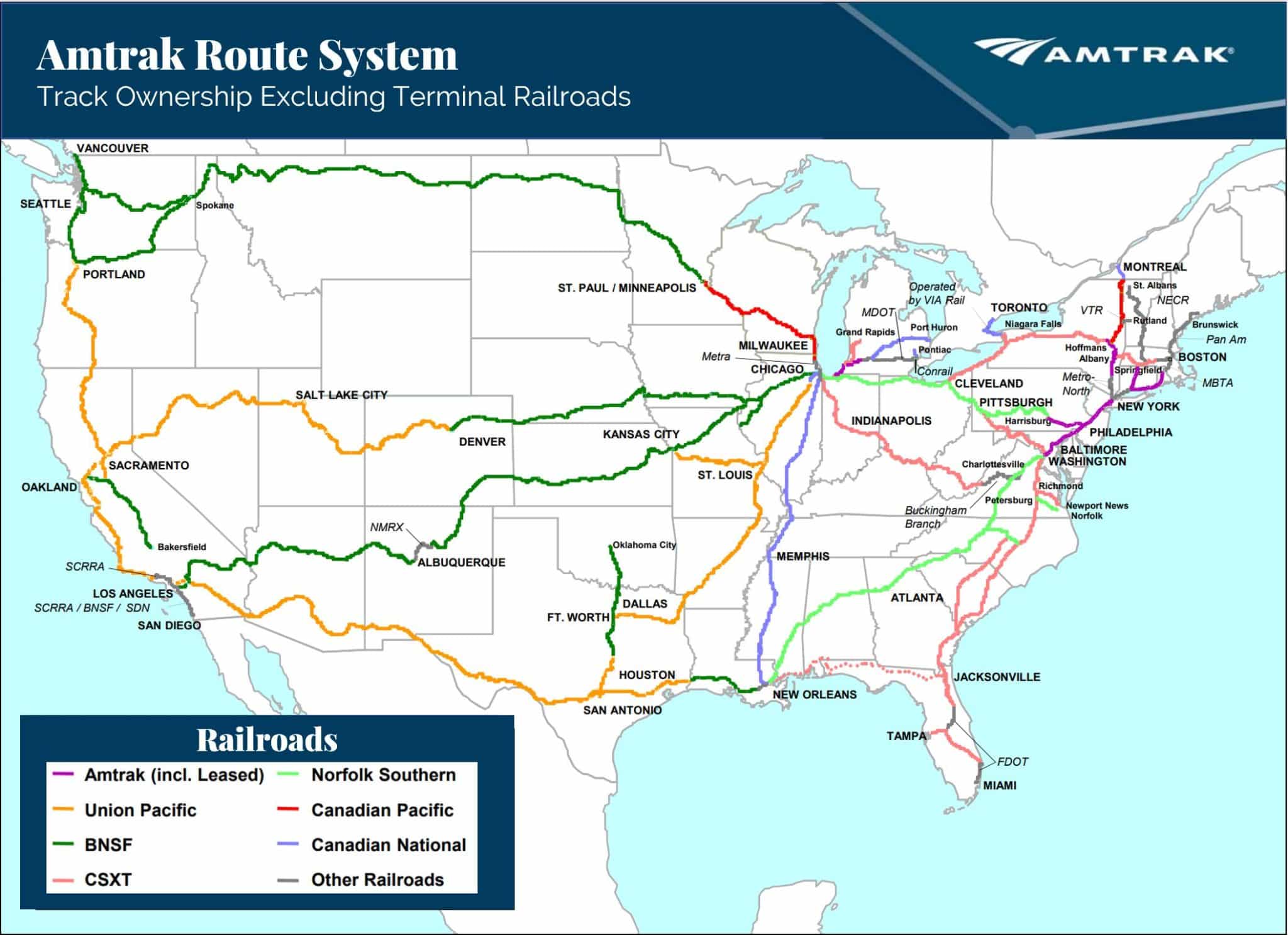
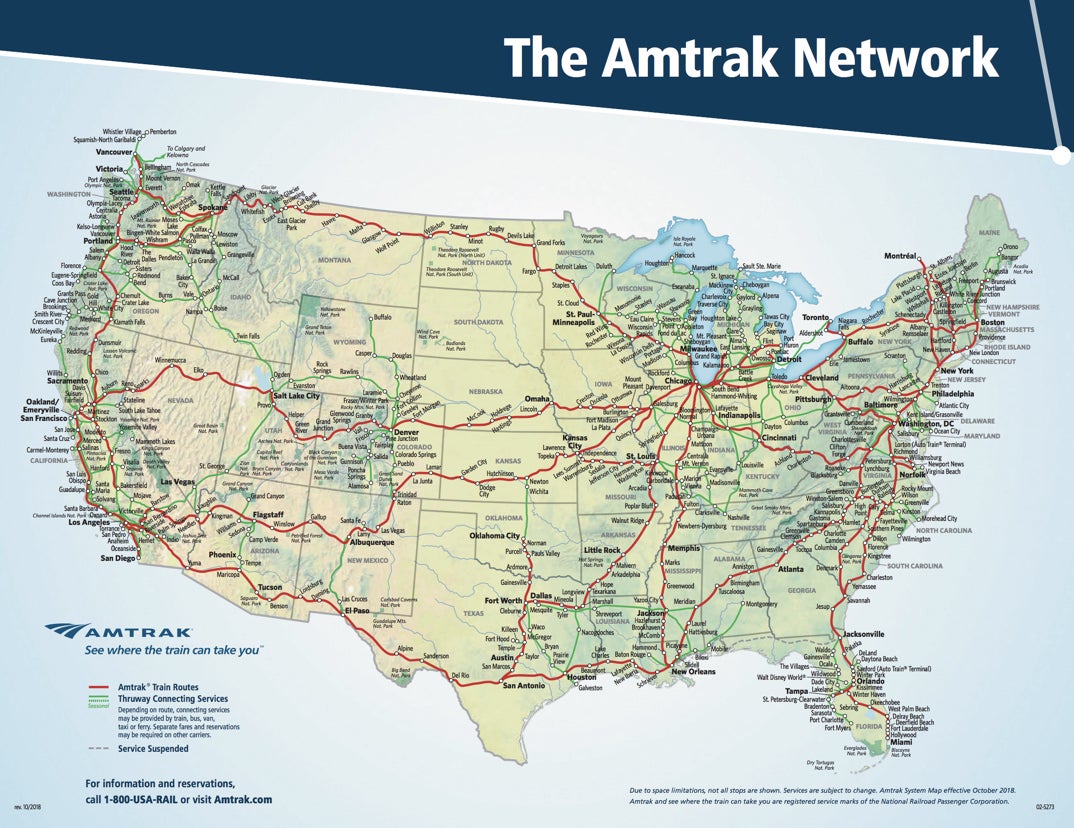
Amtrak remains the only truly national passenger‑rail service in the United States, linking more than 500 stations across 46 states. With roughly 21,000 miles of track under its umbrella, it offers a blend of convenience, scenery, and a pace that road trips simply can’t match. Whether you’re chasing city skylines, desert sunsets, or coastal breezes, the train often arrives at the heart of a destination, letting you skip the hassle of airport security and rental cars.
Understanding the Network: Major Corridors and Iconic Routes
Amtrak’s network can be thought of in two parts: the high‑frequency Northeast Corridor (NEC) and the long‑distance “regional” routes. The NEC runs from Boston to Washington, D.C., with multiple daily departures and speeds that rival many European services. Outside the NEC, routes such as the California Zephyr, Empire Builder, and Silver Service stitch together iconic landscapes—from the Rocky Mountains to the Gulf Coast.
- California Zephyr: Chicago → San Francisco, crossing the Rockies and Sierra Nevada.
- Empire Builder: Chicago → Seattle/Portland, hugging the northern plains and the Pacific Northwest.
- Silver Service: New York → Miami, offering a sun‑soaked journey down the East Coast.
These routes are often highlighted in travel guides because they provide both a practical means of moving across the country and a window onto scenery that would otherwise demand a separate road trip.
Booking Basics: When and How to Secure the Best Seats
Tickets can be purchased on Amtrak’s website, via the mobile app, or at staffed stations. Prices fluctuate based on demand, so booking early—ideally 30 days in advance—tends to lock in the lowest fares. For flexible travelers, the Saver fare category offers the best rates but comes with a no‑refund policy, whereas the Value and Flexible tiers provide more leeway for changes.
Consider these practical tips:
- Sign up for the free Amtrak Guest Rewards program; points accumulate quickly on long‑haul trips.
- Check the “price calendar” tool to spot cheaper departure dates within a week’s window.
- When traveling on popular routes like the Northeast Corridor, set alerts for seat releases a week before your intended travel date.
Classes of Service: Finding the Comfort Level That Fits
Amtrak offers three primary classes on most long‑distance trains: Coach, Business, and Room service. Coach seats are roomy enough for most passengers, with a 2‑2 layout on many routes and free Wi‑Fi. Business Class adds extra legroom, complimentary meals on select routes, and priority boarding. For overnight journeys, Room service provides private bedrooms or “roomettes” that include meals, a dedicated attendant, and a washroom.
Choosing the right class depends on both budget and itinerary. A scenic day trip may be perfectly suited to Coach, while an all‑night trek across the Rockies is far more enjoyable in a roomette.
Onboard Experience: What to Expect When the Train Rolls In
Beyond the view, Amtrak’s onboard amenities aim to keep travelers comfortable. All long‑distance trains feature a dining car where you can enjoy freshly prepared meals, from classic American breakfasts to regional specialties. The Observation Car—available on many routes—offers large panoramic windows and often a lounge area where passengers mingle.
Free Wi‑Fi is now standard on most routes, though bandwidth can be spotty in remote mountain passes. Power outlets are widely available, and many trains provide USB ports at each seat. If you travel with a pet, Amtrak allows small dogs and cats in a carrier for a modest fee, provided they remain under the seat.
Planning Your Itinerary: How to Piece Together a Multi‑Stop Adventure
Because Amtrak’s schedule is designed around hub stations, you can create a “rail passport” itinerary by linking multiple routes. For instance, start in New York City, ride the Acela Express to Washington, D.C., then catch the Carolinian north to Richmond before hopping on the Palmetto down to Miami. Each leg can be booked separately, but a single reservation often yields a smoother transfer experience.
When mapping out a trip, keep these considerations in mind:
- Check station locations; some downtown stops are a short walk from attractions, while others sit on the city’s outskirts.
- Factor in layover time—Amtrak generally allows a 30‑minute buffer for connections, but you may want more if you plan to explore the connecting city.
- Look for “Rail Pass” options such as the USA Rail Pass, which offers unlimited travel on most routes for a set number of days.
Accessibility and Special Services
Amtrak is committed to providing accessible travel. All stations are equipped with wheelchair‑friendly platforms, and most trains feature designated wheelchair spaces and accessible restrooms. If you need assistance, you can request a “Travel Companion” at the time of booking—this service pairs you with a staff member who helps with boarding, luggage, and navigating the train.
For passengers with visual or hearing impairments, Amtrak offers braille signage, audio announcements, and captioned videos on the onboard entertainment system. It’s advisable to contact customer service at least 48 hours before departure to ensure all accommodations are arranged.
Pricing Strategies: Stretching Your Travel Budget
While Amtrak fares can be higher than budget airlines on short distances, they often prove competitive on longer routes, especially when you factor in baggage allowances and the lack of hidden fees. Here are a few ways to keep costs down:
- Travel during off‑peak seasons (late fall and early spring) when demand dips.
- Take advantage of the Student Discount or Senior Fare if you qualify.
- Combine a rail pass with occasional “stand‑alone” tickets to avoid paying for a full pass you won’t use.
Remember that Amtrak occasionally runs promotional “Flash Sale” events, where fares can drop dramatically for a limited window. Signing up for the newsletter is the easiest way to stay in the loop.
FAQ
What is the best way to book a multi‑city Amtrak trip?
Use the “Multi‑City” option on Amtrak’s website or call the reservation center. This allows you to link several legs under one confirmation, simplifying transfers and often reducing overall cost.
Can I bring a bike on board?
Most long‑distance trains have a dedicated bike car that can accommodate up to eight bicycles, but reservations are required. On the Northeast Corridor, bikes are allowed on a first‑come, first‑served basis and must be stored in designated racks.
How reliable is Amtrak’s on‑time performance?
On the Northeast Corridor, on‑time performance hovers around 80 %, thanks to dedicated tracks. Outside the NEC, delays are more common due to shared freight lines, but Amtrak typically provides timely updates and rebooking assistance.
Are there any restrictions on luggage?
Passengers can bring two personal items (e.g., a backpack and a tote) plus two larger pieces of checked luggage weighing up to 50 lb each. Overweight or oversized items may incur extra fees.