Top Alternatives to NTI Boilers for Efficient Heating
When homeowners and businesses consider upgrading or replacing their heating system, the name “NTI boiler” often pops up as a benchmark. But the market offers a range of options that can match or even surpass the performance, efficiency, and reliability that NTI units promise. Whether you’re looking for a greener solution, a cheaper initial investment, or a system that works well in a specific climate, there are plenty of alternatives to explore.
Best NTI Boiler Alternatives
The search for the right boiler doesn’t have to be a guessing game. Below we break down the most popular substitutes for NTI boilers, focusing on technology, energy source, cost, and suitability for different building types. All of these options can deliver high efficiency and low maintenance, just like their NTI counterpart.
1. Condensing Gas Boilers
Condensing boilers have become the industry standard for gas heating in many countries. By capturing latent heat from exhaust gases, they can reach efficiencies of 90–98 %. Brands such as Buderus, Vaillant, and Navien offer models with smart controls, low noise, and long service life. They’re ideal for homes that already have natural gas lines and are looking to cut operating costs.
- Pros: High efficiency, proven technology, wide availability.
- Cons: Requires a gas connection and proper venting.
2. Electric Boilers with Heat Pump Technology
For areas without gas infrastructure, an electric boiler combined with a heat pump can be a game‑changer. Heat pumps extract ambient heat from air or ground and can provide up to 300 % thermal output compared to the electrical input. The Bosch and Stiebel Eltron brands offer models that seamlessly integrate with existing electric circuits, providing instant heat with minimal carbon footprint.
- Pros: No combustion emissions, lower installation costs, scalable.
- Cons: Higher electricity rates in some regions, performance drops in extreme cold.
3. Biomass Boilers
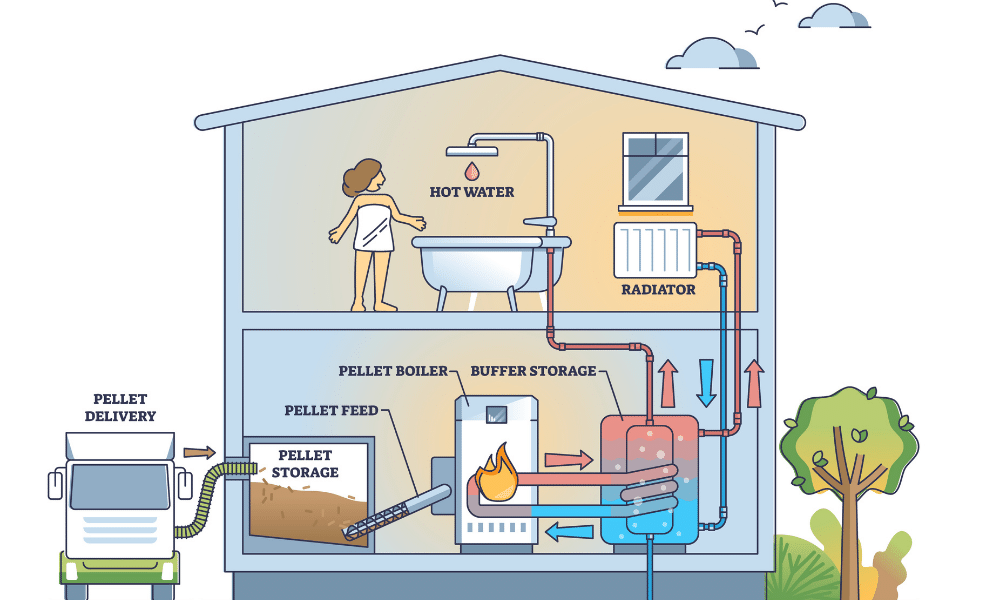
If you’re interested in renewable fuels, biomass boilers burn wood pellets, chips, or straw. They can deliver consistent heat while using locally sourced, carbon‑neutral materials. Hobart and EcoHeat are known for user‑friendly designs and automated feeding systems that reduce maintenance.
- Pros: Renewable fuel, reduced CO₂ emissions, potential tax incentives.
- Cons: Requires storage space for pellets, periodic cleaning of combustion chamber.
4. Solar Thermal Boilers
Solar thermal systems harness sunshine to heat water, supplementing conventional boilers. By pairing a SunPower or Solis solar collector array with a standard boiler, you can cut fuel use by up to 30 % on sunny days. These setups work best in regions with ample daylight and can be combined with any gas or electric boiler.
- Pros: Free energy source, low operating costs.
- Cons: Variable output, requires additional space for panels.
5. Compressed Air Boilers
Compressed air boilers are a niche but highly efficient option for industrial or large commercial settings. By using compressed air as a heat source, these systems avoid combustion entirely. Brands such as Air Therm specialize in retrofit kits that can be added to existing ductwork.
- Pros: Zero emissions, excellent for high‑temperature processes.
- Cons: Requires an air compressor, initial capital outlay can be high.
6. Hybrid Systems – Boiler Plus Heat Pump
Hybrid units automatically switch between a condensing gas boiler and a heat pump based on temperature, cost, or energy efficiency. The Honeywell and Rinnai hybrid models have built‑in logic that optimizes operation without manual intervention.
- Pros: Best of both worlds, adaptable to fluctuating energy prices.
- Cons: Slightly higher upfront cost, more complex controls.
How to Choose the Right Alternative
When evaluating alternatives, consider the following factors:
- Fuel Availability: Is natural gas, electricity, or biomass readily accessible in your area?
- Climate: Heat pumps perform better in milder winters, while boilers maintain performance in extreme cold.
- Installation Footprint: Space constraints may rule out large solar arrays or pellet storage.
- Operating Budget: Compare long‑term fuel costs versus initial investment.
- Environmental Goals: If carbon neutrality is a priority, biomass, solar, or electric options have an edge.
Maintenance & Longevity
All boiler types require some level of upkeep. Condensing boilers need regular flue cleaning, electric systems require periodic checks of the heat pump coils, and biomass units need ash removal. However, modern models come with smart diagnostics that alert owners to potential issues before they become costly repairs.
Longevity is often tied to brand reliability. NTI is respected for durability, but so are established manufacturers like Buderus, Vaillant, and Navien. Choosing a brand with robust service networks can extend the life of your system and keep maintenance straightforward.
Cost Overview
Below is a quick reference for typical installation and running costs. Prices can vary widely based on location, size, and additional features.
| System | Initial Cost (USD) | Annual Energy Cost (USD) |
|---|---|---|
| Condensing Gas Boiler | 2,500–4,000 | 600–900 |
| Electric Boiler + Heat Pump | 3,500–5,500 | 1,200–1,800 |
| Biomass Boiler | 3,000–5,000 | 800–1,200 |
| Solar Thermal + Boiler | 4,000–6,500 | 400–700 |
| Hybrid Boiler + Heat Pump | 4,500–6,000 | 800–1,200 |
FAQs
- Is a heat pump boiler a good alternative in cold climates? Heat pumps can still function efficiently in cold areas, especially if paired with a backup gas or electric boiler.
- Can I install a biomass boiler in an apartment