Top Deep Reinforcement Learning Books for Mastery
If you’ve typed “deep reinforcement learning the best books to learn” into a search engine, you’re probably already convinced that a solid textbook can cut through the noise of research papers and online tutorials. The field sits at the crossroads of machine learning, control theory, and neuroscience, so a good book does more than list algorithms—it builds intuition, shows where the math comes from, and often includes code you can run the same day. Below is a curated guide that balances theory, hands‑on practice, and emerging research, so you can pick the titles that match your current skill set and future goals.
Why a Good Book Still Matters in a Fast‑Moving Field
Research articles are invaluable, but they rarely explain the “why” behind a technique. A well‑written book weaves a narrative, gradually introducing concepts and revisiting them in later chapters. That repetition helps cement ideas that might otherwise feel like isolated tricks. Moreover, many authors bundle complete code repositories, making it easier to transition from reading to experimenting. Finally, a printed or e‑book format offers a stable reference you can return to months—or years—after the latest conference buzz has faded.
Classic Foundations: Where Every Practitioner Starts
- Reinforcement Learning: An Introduction (2nd Edition) – Richard S. Sutton & Andrew G. Barto
Published in 2018, this text is the de‑facto standard for anyone serious about reinforcement learning. While it predates many deep‑learning breakthroughs, the authors later added chapters on function approximation that lay the groundwork for modern deep RL. The clear notation and numerous exercises make it a reliable launchpad. - Algorithms for Reinforcement Learning – Csaba Szepesvári
A compact yet thorough treatment of core algorithms such as Q‑learning, SARSA, and policy gradients. The book’s strength lies in its rigorous proofs paired with intuitive explanations, which helps demystify why certain deep‑learning tricks work.
Hands‑On Guides for Practitioners
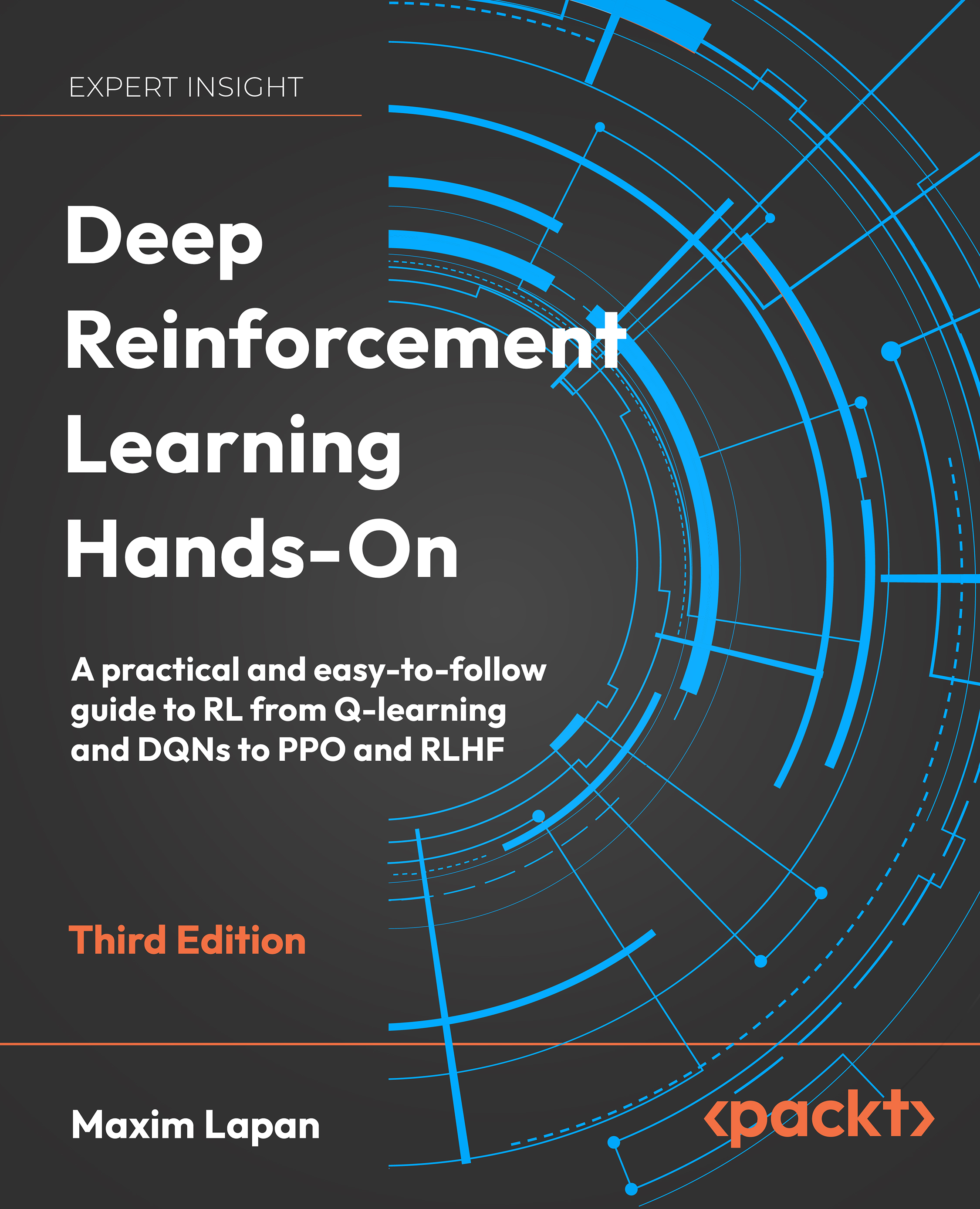
- Deep Reinforcement Learning Hands‑On – Maxim Lapan
Released in 2020, Lapan walks readers through real‑world projects using PyTorch. Each chapter ends with a notebook you can run, covering everything from OpenAI Gym basics to advanced topics like Proximal Policy Optimization (PPO). The pragmatic style is perfect for developers who want to see results quickly. - Deep Reinforcement Learning in Action – Alexander Zai & Brandon Brown
Targeted at engineers, this book emphasizes implementation details, such as how to tune hyperparameters and avoid common pitfalls like reward hacking. The authors also discuss deployment considerations for cloud and edge environments. - Practical Deep Reinforcement Learning with Python – Sudharsan Ravichandiran
A Python‑centric guide that blends theory with step‑by‑step code. It covers classic environments (CartPole, Atari) and newer benchmarks (MuJoCo, Unity ML‑Agents), providing a broad view of where deep RL is applied today.
Cutting‑Edge Perspectives for Researchers
- Deep Reinforcement Learning – Yuxi Liu (2022)
Liu’s book dives into the latest policy‑gradient variants, model‑based methods, and exploration strategies that have appeared in top conferences since 2019. The author balances mathematical depth with concise explanations, making it a solid bridge between introductory texts and current research papers. - Reinforcement Learning: Theory and Algorithms – Alekh Agarwal & John Langford (2021)
While not solely “deep,” this volume discusses the theoretical underpinnings of modern algorithms, including regret bounds for deep policies. Researchers who care about guarantees and formal analysis will appreciate its thorough treatment.
Choosing the Right Book for Your Goals
Beginners should start with Sutton & Barto’s classic, then quickly move to a hands‑on guide like Lapan’s to see the concepts in action. Intermediate engineers often benefit from Zai & Brown’s pragmatic focus on code quality and deployment. Researchers or PhD candidates will find Liu’s and Agarwal’s works valuable for staying current with the latest algorithmic trends and theoretical insights.
Another practical tip: check whether the author provides an online GitHub repository. Even a well‑written chapter can feel abstract without runnable examples, and many of the books above keep their code bases up to date with the latest PyTorch or TensorFlow releases.
Frequently Asked Questions
Which book covers the most recent deep RL algorithms?
Yuxi Liu’s Deep Reinforcement Learning (2022) is the most up‑to‑date among the titles listed, covering advances such as Soft Actor‑Critic and model‑based RL that appeared after 2019.
Do I need a strong math background before tackling these books?
A solid grasp of linear algebra and probability is helpful, especially for Sutton & Barto and Szepesvári. However, hands‑on guides like Lapan’s and Zai & Brown’s introduce the necessary math gradually, so you can learn while you code.
Are there free resources that complement these books?
Yes. The authors of most listed titles host companion notebooks on GitHub, and many universities release lecture slides that mirror the chapters. Websites like OpenAI Spinning Up also provide concise tutorials that align well with the material.
Can I use the same books to prepare for a job interview in RL?
Definitely. Interviewers often ask about foundational concepts from Sutton & Barto, practical implementation details from Lapan or Zai & Brown, and recent research trends from Liu’s text. Reviewing a mix of these books gives you a well‑rounded portfolio of knowledge.