Top In‑Demand IT Jobs in Germany: Your Tech Career Roadmap
Germany’s tech sector is humming with opportunity, and the demand for skilled IT professionals shows no sign of slowing. Whether you’re a fresh graduate or a seasoned specialist looking to relocate, knowing which roles are hot—and why—can turn a vague ambition into a concrete plan.
Why Germany Is a Magnet for Tech Talent
Beyond the iconic autobahns and Oktoberfest, the country boasts a robust digital economy backed by government incentives, a thriving startup scene, and a network of multinational corporations. Companies in Berlin, Munich, and Frankfurt are racing to fill high‑demand IT positions, often offering competitive salaries, flexible remote options, and clear pathways for career advancement.
High‑Demand IT Roles You Should Consider
Below is a snapshot of the most sought‑after tech jobs, together with the skills that typically open doors.
- Software Engineer (Full‑Stack) – Mastery of JavaScript frameworks (React, Angular) plus back‑end languages like Java or Python is prized. Agile experience and cloud‑native development are added bonuses.
- Data Scientist / Machine‑Learning Engineer – Proficiency in Python, R, and SQL, combined with hands‑on work in TensorFlow or PyTorch, signals readiness for data‑driven roles. A knack for translating business problems into models is essential.
- Cloud Architect – Designing scalable solutions on AWS, Azure, or Google Cloud is a must. Certifications (e.g., AWS Solutions Architect) often tip the scales in a tight market.
- Cybersecurity Analyst – Knowledge of network security, threat hunting, and compliance standards (ISO 27001, GDPR) keeps organisations safe. Pen‑testing skills and certifications like CISSP are highly valued.
- DevOps Engineer – Expertise in CI/CD pipelines, containerisation (Docker, Kubernetes), and infrastructure‑as‑code (Terraform) bridges the gap between development and operations.
- SAP Consultant – Germany’s strong manufacturing and logistics sectors rely heavily on SAP. Experience with S/4HANA, functional modules, and integration tools can command premium rates.
- AI Research Engineer – Working on cutting‑edge natural language processing or computer vision projects, often within university‑industry collaborations, requires a solid research background and publication record.
Typical Salary Ranges and Benefits
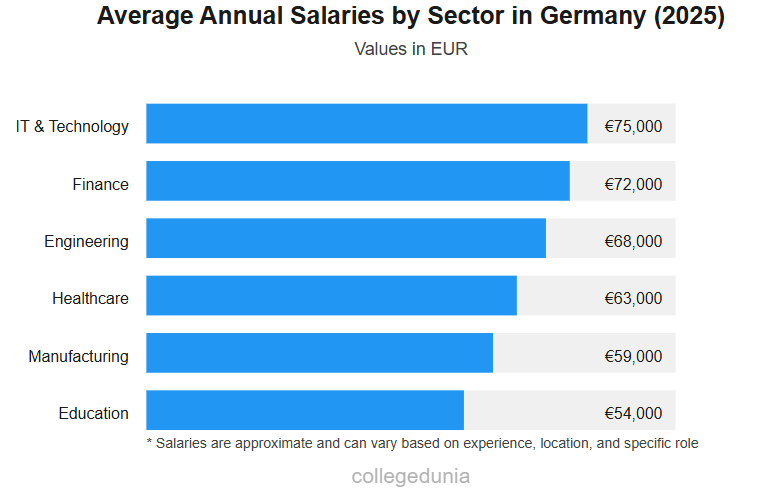
Compensation varies by city, experience level, and industry, but most high‑demand roles fall within a comfortable bracket. Junior positions often start around €55,000 – €70,000 per year, while senior specialists and architects can earn €90,000 – €120,000 or more. Many employers add performance bonuses, stock options (especially in startups), and generous pension contributions.
Education, Certifications, and Language Skills
A bachelor’s degree in computer science, engineering, or a related field remains the baseline for most positions. However, Germany increasingly recognises alternative pathways: coding bootcamps, professional certificates, and open‑source contributions can substitute formal education when paired with demonstrable expertise.
German language proficiency isn’t always mandatory, particularly in international companies or English‑centric startups. Yet, a working knowledge of German—at least B1 level—greatly expands your options and smooths everyday life.
How to Navigate the Job Hunt
1. Polish Your Online Presence – Keep your LinkedIn profile up‑to‑date, showcase projects on GitHub, and consider a personal portfolio site highlighting real‑world outcomes.
2. Target the Right Platforms – Use specialised German tech job boards such as Stack Overflow Jobs DE, StepStone Tech, and LinkedIn Jobs. Don’t overlook company career pages, especially for large firms like SAP, Siemens, and Deutsche Bank.
3. Leverage Recruiters – Many firms partner with niche tech recruitment agencies that can match you with roles that fit both skill set and salary expectations.
4. Prepare for Technical Interviews – Expect coding challenges, system‑design discussions, and scenario‑based questions. Practising on platforms like LeetCode or HackerRank can boost confidence.
Work Permits and Visa Considerations
For non‑EU citizens, Germany offers the “Blue Card” for highly qualified professionals. Applicants need a university degree and a job contract meeting a minimum salary threshold (around €56,800 in 2024, lower for shortage occupations). The process typically takes a few weeks, and the card provides a clear path to permanent residency after 33 months—or 21 months with proven German language skills.
Living in Germany: What to Expect
Beyond the office, Germany scores high on quality of life. Public transport is efficient, healthcare is universal, and the work‑life balance is respected—most companies observe a 38‑hour workweek and generous vacation policies (usually 25–30 days). Cities like Berlin offer a vibrant cultural scene, while Munich and Stuttgart provide proximity to the Alps and a strong industrial heritage.
Future Outlook: Where Demand Is Heading
Emerging technologies such as quantum computing, edge AI, and 5G infrastructure are beginning to shape the next wave of hiring. Professionals who can blend traditional IT expertise with these new domains are likely to see even higher demand in the coming years.
Quick FAQ
Q: Do I need to speak German to work in an IT role?
A: Not always. Many international teams operate in English, but learning German improves integration and widens the pool of available positions.
Q: Which city offers the best salary for software engineers?
A: Munich and Frankfurt typically lead in base pay, while Berlin balances salary with a lower cost of living and a vibrant startup ecosystem.
Q: How long does the Blue Card process take?
A: After securing a job offer, the application usually takes 4‑6 weeks, assuming all documents are in order.
Q: Are certifications worth pursuing?
A: Certifications from recognised providers (AWS, Azure, CISSP, SAP) can differentiate you, especially when combined with practical project experience.