Understanding FCS College Football’s Division Structure
When you hear “FCS College Football,” you’re probably picturing a gridiron full of passionate athletes, modest stadiums, and a playoff system that feels more like a true tournament. Yet many fans still wonder how the FCS fits into the broader landscape of NCAA divisions and why those lines matter. In this guide we’ll untangle the hierarchy, compare the FCS to its siblings, and explore the rules that shape the competition.
Where the FCS Lands in the NCAA Hierarchy
The NCAA splits its football programs into three primary tiers: Division I, Division II, and Division III. Division I itself contains two distinct subdivisions: the Football Bowl Subdivision (FBS) and the Football Championship Subdivision (FCS). While both belong to the same division, they differ dramatically in scholarship limits, postseason formats, and media exposure.
In short, the FCS is the “championship” side of Division I football, offering a 24‑team playoff that crowns a national champion, whereas the FBS relies on bowl games and a four‑team College Football Playoff.
Key Differences Between FCS and FBS
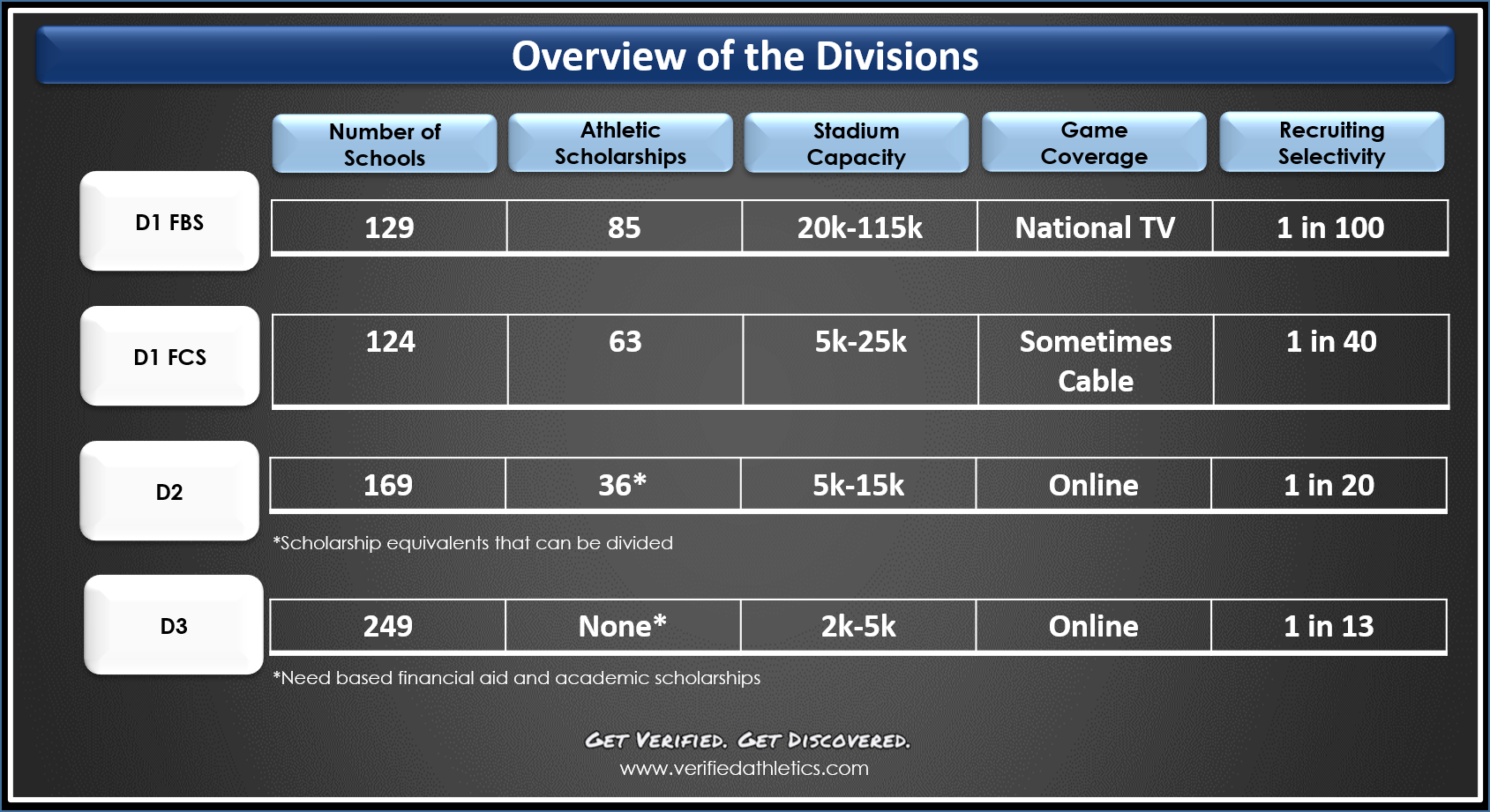
- Scholarships: FCS programs can award up to 63 full scholarships, which they often split among more players. FBS schools may fund 85 full scholarships.
- Postseason: The FCS tournament runs from late November through early January, with single‑elimination games. The FBS season ends with a series of bowl games and the CFP semifinals and final.
- Revenue and Exposure: FBS schools generally command larger TV contracts and higher attendance figures. FCS schools tend to focus on regional broadcasts and community support.
How FCS Conferences Are Organized
Unlike the FBS, which groups teams into Power Five conferences and a handful of Group of Five leagues, the FCS is a patchwork of 13 conferences plus a few independent programs. Each conference runs its own schedule, and most earn an automatic bid to the national playoff by winning the conference championship.
Examples of prominent FCS conferences include the Missouri Valley Football Conference, the Colonial Athletic Association, and the Big Sky Conference. Some conferences span multiple states, while others cluster schools within a single region, reflecting historic rivalries and geographic practicality.
Automatic vs. At‑Large Playoff Bids
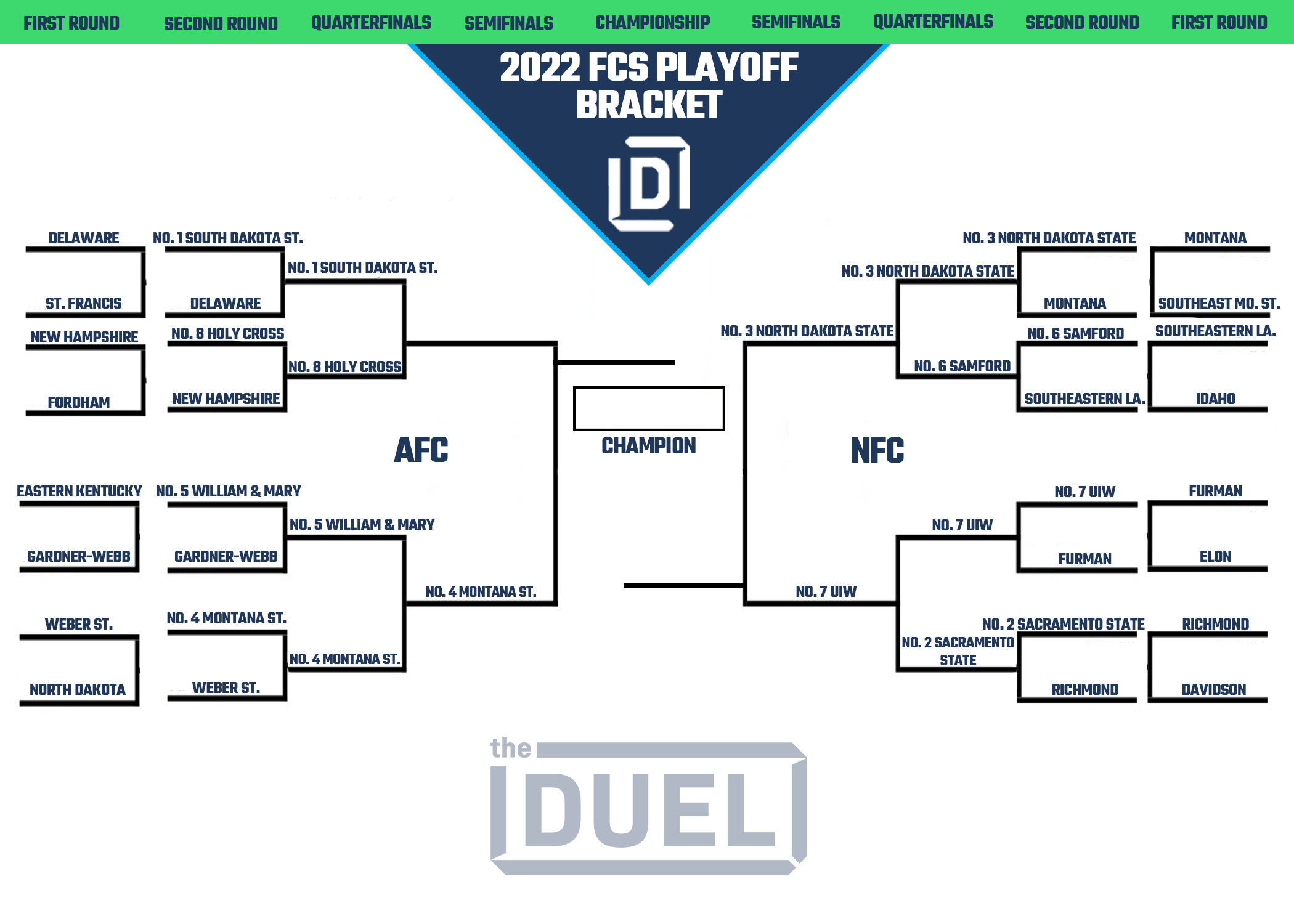
The 24‑team FCS playoff field consists of 11 automatic qualifiers (the conference champions) and 13 at‑large spots chosen by a selection committee. This structure rewards both regular‑season consistency and late‑season momentum, offering a genuine “win‑or‑go‑home” feel that many fans adore.
Division II and Division III: The Other Two Tiers
Below the FCS, Division II schools field competitive teams but operate with a tighter scholarship cap—typically 36 full scholarships, which can be divided. Their postseason features a 28‑team playoff, but the overall scale of athletics budgets and media coverage is smaller.
Division III, the largest NCAA division by number of institutions, offers no athletic scholarships at all. These programs emphasize the student‑athlete experience, focusing on academics and local community involvement. Their postseason is a 32‑team playoff, with an emphasis on regional matchups.
Why Schools Choose One Division Over Another
Decisions about classification hinge on several factors: financial resources, institutional mission, and competitive aspirations. A university with a modest athletic budget might opt for FCS to maintain a respectable level of competition while staying within its fiscal means. Conversely, a school seeking national visibility and larger revenue streams may aim for the FBS, despite the higher cost of funding 85 scholarships.
Some institutions have even moved between divisions. For instance, Georgia Southern transitioned from FCS to FBS in 2014, motivated by stadium upgrades and a desire for greater media exposure. These moves require approval from the NCAA and often involve a multi‑year transition period.
Recent Trends Shaping the FCS Landscape
In the past decade, the FCS has seen a surge in attendance at marquee matchups, especially when traditional FBS powerhouses schedule “guarantee games” against top FCS programs. Upsets—like Appalachian State’s 2007 victory over Michigan—have sparked debates about the competitive gap between the subdivisions.
Another notable trend is the increasing use of “partial scholarships.” Coaches strategically allocate scholarship money to build depth across positions, a practice that can level the playing field for schools with limited budgets.
What It Means for Fans and Players
For the average fan, understanding the division structure clarifies why certain games feel like playoff battles while others are regular‑season affairs. It also explains why you’ll hear terms like “automatic qualifier” or “at‑large bid” during March and April, when the FCS selection committee releases its bracket.
Players benefit from the clearer path to a national championship. Knowing that every conference win could secure a playoff spot adds urgency to each contest, fostering a competitive atmosphere that rivals the intensity of the FBS.
Frequently Asked Questions
How many teams compete in the FCS playoff each year?
Since 2013, the FCS tournament features 24 teams—11 conference champions earn automatic bids, while the remaining 13 spots are filled by at‑large selections based on record, strength of schedule, and other criteria.
Can an FCS school move up to the FBS?
Yes, but the transition is lengthy. A school must meet attendance, scholarship, and stadium‑capacity requirements, submit a formal application, and undergo a multi‑year reclassification period during which it is ineligible for postseason play.
Do FCS players receive the same academic support as FBS athletes?
Both subdivisions are subject to NCAA academic‑eligibility standards, but many FCS schools emphasize a tighter balance between athletics and academics, often providing more personalized tutoring and mentorship programs.
Why do some FCS schools schedule games against FBS opponents?
These “guarantee games” provide significant financial payouts for the FCS program, help fund scholarships and facilities, and give players a chance to showcase their talent on a larger stage.