Understanding Flow Measurement Instruments: A Complete Guide
When a plant needs to keep tabs on how much liquid or gas moves through its pipes, the answer usually lies in a flow measurement instrument. Whether you’re tracking water consumption in a municipal system or monitoring oil throughput in a refinery, accurate flow data can mean the difference between efficiency and waste. This guide walks through the most common technologies, how to pick the right one, and what to watch for once it’s installed.
Why Accurate Flow Measurement Matters
Good flow data feeds directly into process control, billing, and safety protocols. A small error in a large‑scale operation can translate into millions of dollars of lost product or regulatory fines. Moreover, real‑time measurements enable predictive maintenance, helping you avoid costly shutdowns before a valve or pump starts to misbehave.
Core Categories of Flow Measurement Instruments
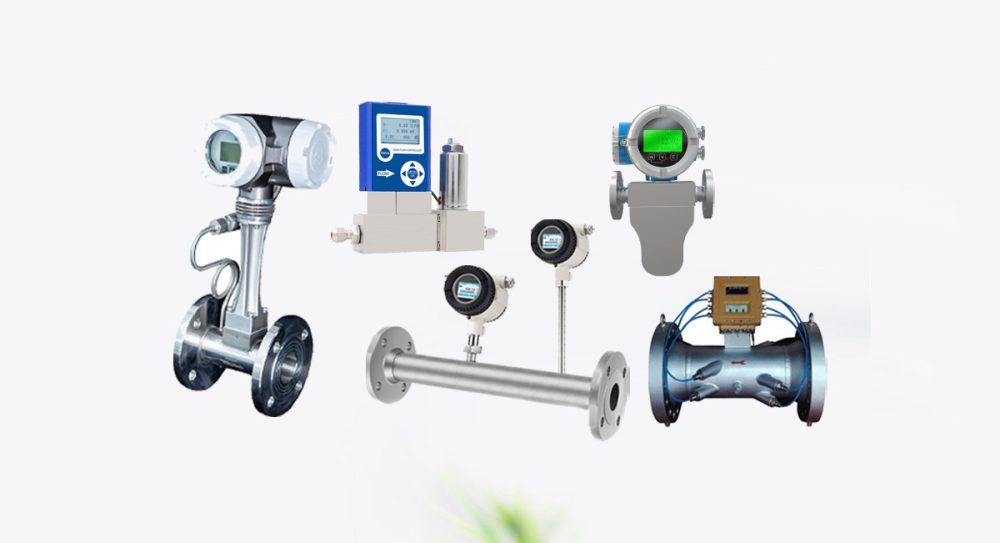
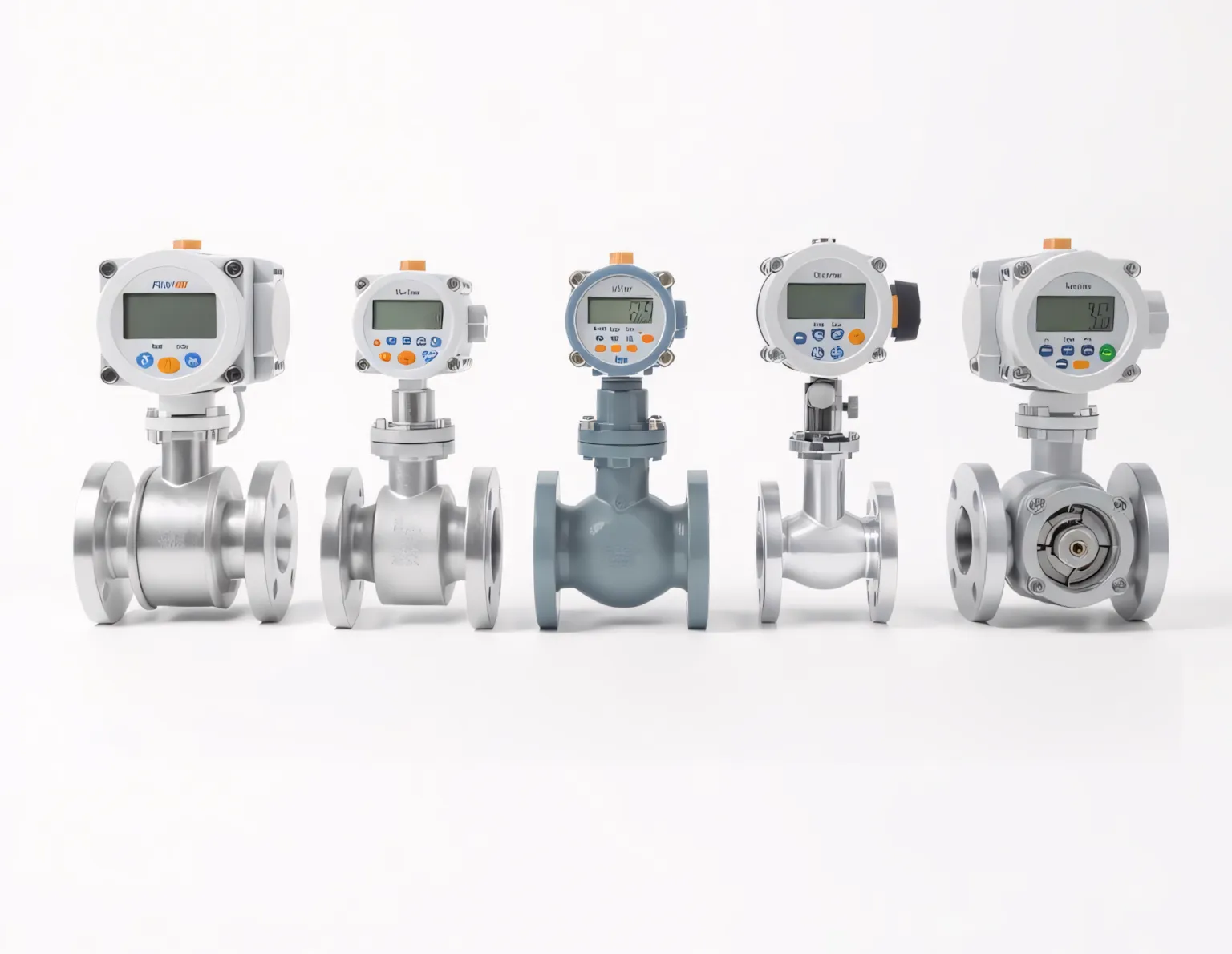
Most devices fall into one of five families, each with its own strengths and quirks.
Differential‑Pressure Devices
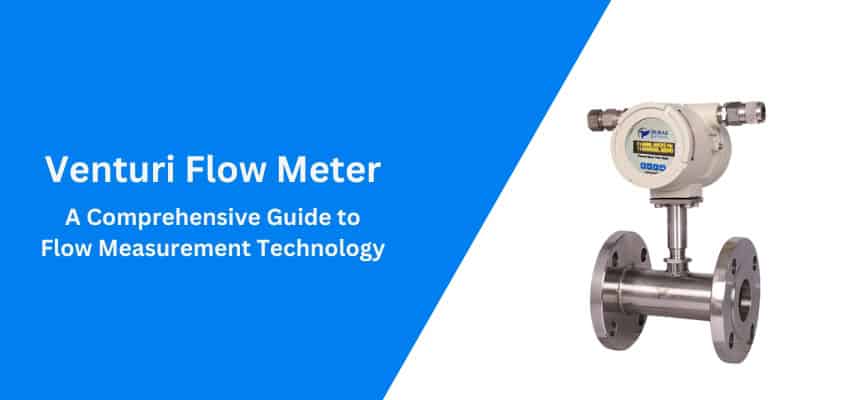
These instruments, such as orifice plates, venturi tubes, and flow nozzles, create a pressure drop that correlates with flow rate. They’re rugged, inexpensive, and work well for clean, high‑pressure fluids. However, they can be sensitive to wear and require frequent calibration if the fluid carries particulates.
Positive‑Displacement Meters
Positive‑displacement (PD) meters trap a known volume of fluid and count each cycle. They excel with viscous liquids like oil or syrup because the measurement isn’t affected by changes in density. The trade‑off is a higher pressure drop and moving parts that need regular lubrication.
Turbine Flow Meters
In turbine meters, the fluid spins a rotor; the rotor speed translates into flow rate. They offer excellent repeatability and are ideal for clean gases or liquids at moderate pressures. The downside? They’re vulnerable to fouling and can struggle with very low flow rates.
Ultrasonic Flow Meters
Ultrasonic devices send sound waves across the pipe and calculate velocity based on the transit‑time difference. Because they have no moving parts, they’re low‑maintenance and can be clamped onto existing pipelines. Accuracy can dip when the fluid contains air bubbles or large temperature gradients.
Electromagnetic Flow Meters
These meters generate a magnetic field inside a non‑conductive pipe; the conductive fluid induces a voltage proportional to flow. They’re the go‑to choice for water, wastewater, and many chemicals, offering high accuracy without pressure loss. They do require the fluid to be electrically conductive, so they’re not suitable for hydrocarbons.
How to Choose the Right Instrument
Start by listing the key process parameters: fluid type, temperature range, pressure, viscosity, and expected flow rates. Next, rank your priorities—do you need the lowest upfront cost, the longest interval between calibrations, or the highest accuracy? Finally, consider installation constraints; some meters need straight pipe runs, while others can fit into tight spaces.
For instance, a water‑treatment plant handling large volumes of clean water might favor an ultrasonic clamp‑on meter to avoid pipe modifications. Conversely, a dairy processing line dealing with thick milk concentrates could benefit from a PD meter despite its higher maintenance demand.
Installation and Maintenance Tips
- Mind the straight‑run length. Most flow meters need a certain length of straight pipe upstream and downstream to ensure a stable flow profile. Check the manufacturer’s recommendation—typically 5–10 pipe diameters.
- Temperature compensation. Sensors can drift with temperature shifts; use built‑in compensation features or install temperature sensors nearby.
- Regular calibration. Even the most stable devices benefit from scheduled checks against a known standard, especially when used for billing or regulatory reporting.
- Watch for wear. Moving‑part meters like turbines and PD units accumulate deposits. A simple cleaning schedule can extend service life dramatically.
Emerging Trends in Flow Measurement
Smart meters equipped with wireless connectivity are making their way into industrial settings, allowing data to stream directly to cloud‑based analytics platforms. Machine‑learning algorithms can now flag anomalous flow patterns before a leak becomes visible, turning raw measurements into actionable insights.
Another promising development is the rise of multi‑function sensors that combine flow, pressure, and temperature in a single housing. This integration reduces wiring complexity and can improve overall system reliability.
Frequently Asked Questions
What’s the difference between mass flow and volumetric flow meters?
Mass flow meters measure the actual mass of fluid passing per unit time, which is essential when density varies (e.g., gases). Volumetric meters track the volume; they’re simpler but can misrepresent flow if temperature or pressure changes affect density.
Can I retrofit an ultrasonic meter onto an existing pipe?
Yes—most ultrasonic models are clamp‑on designs that attach externally without cutting the pipe, making them ideal for retrofits where downtime must be minimized.
How often should I calibrate my flow meter?
Calibration frequency depends on the application. Critical billing or safety‑related measurements often require annual checks, while less critical processes might stretch to every two to three years.
Are there flow meters that work with corrosive chemicals?
Materials like Hastelloy, PTFE, or ceramic linings are common in meters designed for aggressive fluids. Selecting the right construction material is as important as choosing the measurement principle.