Understanding Invasive Ductal Carcinoma: Key Facts Explained
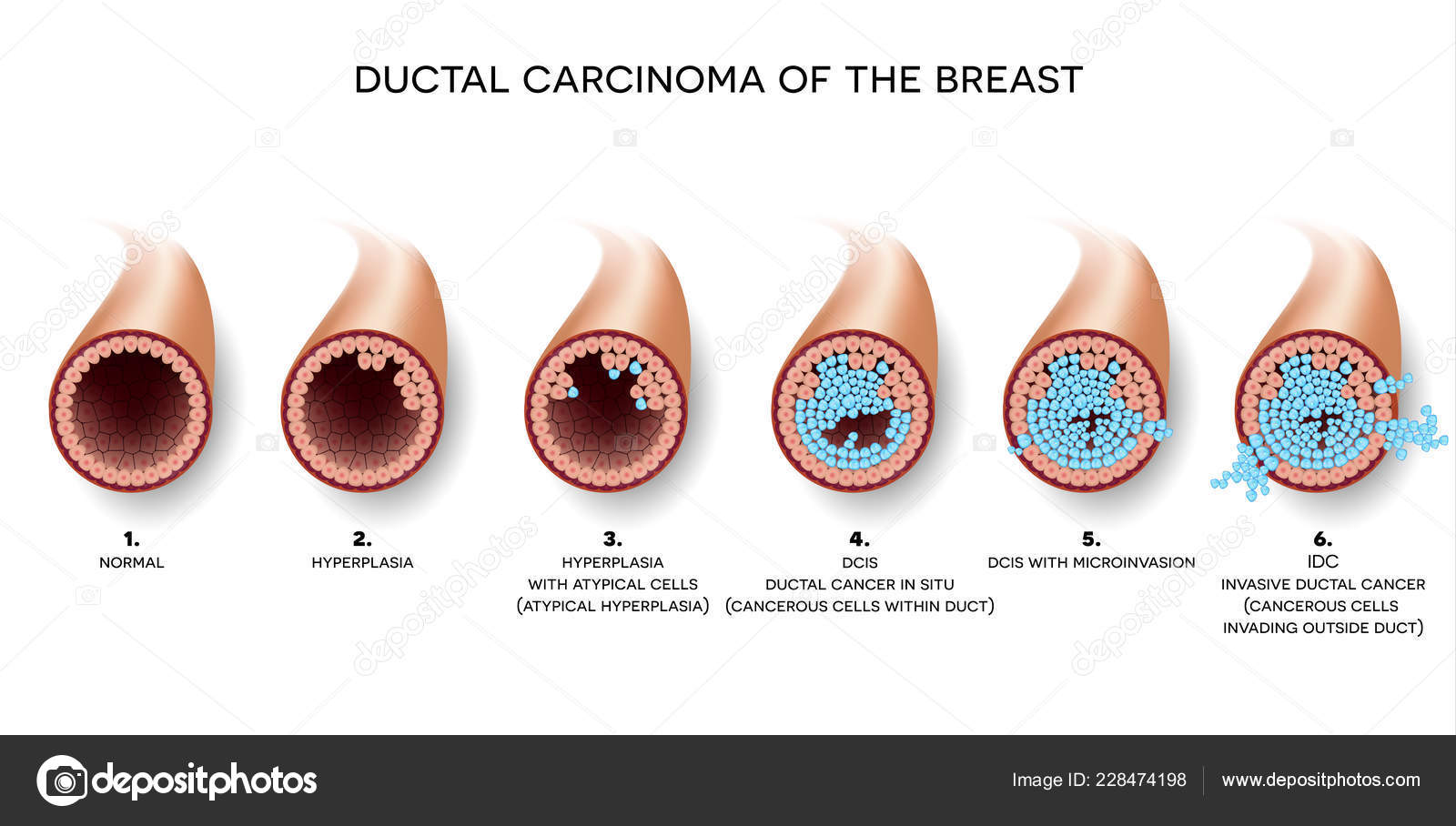
When a doctor mentions invasive ductal carcinoma (IDC), the term can feel both clinical and intimidating. In plain language, IDC is the most common form of breast cancer, arising from the milk‑producing ducts and breaking through their walls to infiltrate surrounding tissue. Knowing what it means, how it’s discovered, and what the road ahead looks like can turn uncertainty into a manageable plan.
What Is Invasive Ductal Carcinoma?
IDC starts inside the milk ducts—the tiny channels that carry milk to the nipple. Unlike non‑invasive (in situ) cancers, which stay confined within the ductal lining, invasive cancers breach that barrier and can spread to nearby fat, connective tissue, and eventually distant organs.
Most cases are detected in women over 50, though younger patients aren’t exempt. The tumor’s appearance under a microscope often shows irregular, gland‑like structures that infiltrate the stroma, hence the “ductal” and “invasive” descriptors.
How Is It Diagnosed?
The diagnostic journey typically begins with a routine mammogram that flags an abnormal mass. If the image looks suspicious, a follow‑up ultrasound helps differentiate solid tissue from cysts. The definitive step is a core needle biopsy, where a small sample is examined by a pathologist.
- Imaging clues: Spiculated margins, microcalcifications, and architectural distortion often hint at IDC.
- Pathology details: The report notes the tumor’s grade (how abnormal the cells look), hormone‑receptor status (estrogen and progesterone), and HER2 expression—each factor steering treatment choices.
- Staging work‑up: If the biopsy confirms cancer, doctors may order a breast MRI, PET scan, or CT to see whether the disease has spread to lymph nodes or other organs.
Treatment Options and What to Expect
Because IDC behaves differently from case to case, treatment is highly individualized. Surgery is usually the first line—either a lumpectomy (breast‑conserving) or a mastectomy, depending on tumor size, location, and patient preference.
Radiation therapy often follows lumpectomy to mop up microscopic disease. For many patients, systemic therapies play a pivotal role:
- Hormone therapy: If the tumor is estrogen‑ or progesterone‑positive, drugs like tamoxifen or aromatase inhibitors can block the hormone’s growth‑promoting signal.
- Targeted therapy: HER2‑positive cancers may respond to trastuzumab, pertuzumab, or newer agents that home in on the HER2 protein.
- Chemotherapy: Recommended for larger tumors, high‑grade disease, or when there’s evidence of spread beyond the breast.
Side‑effects vary—nausea, fatigue, and hair loss are common with chemo, while hormone therapy may cause hot flashes or joint aches. Oncologists work closely with patients to manage symptoms and adjust regimens as needed.
Prognosis and Factors That Influence Outcomes
Overall, IDC carries a relatively favorable outlook compared with many other solid tumors, especially when caught early. Five‑year survival rates hover around 90 % for localized disease, but they dip as the cancer advances to regional lymph nodes or distant sites.
Key prognostic variables include:
- Stage at diagnosis (size of the tumor and lymph‑node involvement).
- Histologic grade (how aggressively the cells look under the microscope).
- Hormone‑receptor and HER2 status (certain subtypes respond better to targeted drugs).
- Patient age and overall health (younger, healthier individuals often tolerate aggressive therapy better).
Regular follow‑up appointments, typically every six months for the first two years, allow physicians to monitor for recurrence and manage any lingering side‑effects.
Living With IDC: Support and Follow‑Up Care
Beyond medical treatment, coping with IDC involves emotional and practical support. Many patients find value in joining breast‑cancer support groups, whether in‑person or online, where shared experiences reduce the sense of isolation.
Physical activity, even gentle walking or yoga, can improve fatigue and mood. Nutritionists often recommend a balanced diet rich in fruits, vegetables, and lean protein to aid recovery and maintain a healthy weight—a factor linked to lower recurrence risk.
Finally, a survivorship care plan outlines a schedule for mammograms, clinical exams, and screenings for secondary cancers. It also lists signs that merit immediate medical attention, such as new lumps, persistent pain, or unexplained weight loss.
Frequently Asked Questions
Is invasive ductal carcinoma the same as “breast cancer”?
IDC is the most common subtype of breast cancer, accounting for about 70‑80 % of cases, but not all breast cancers are IDC. Other forms include lobular, inflammatory, and triple‑negative cancers.
Can IDC recur after a lumpectomy?
Yes, recurrence is possible, especially if cancer cells remain at the surgical margin. Radiation after lumpectomy significantly reduces this risk, and regular imaging helps catch any new growth early.
Do all patients with IDC need chemotherapy?
Not necessarily. Chemotherapy is typically reserved for larger tumors, high‑grade cancers, or those that have spread to lymph nodes. Hormone‑positive, low‑grade tumors may be managed with hormone therapy alone.
How long will treatment last?
Surgery and radiation are usually completed within a few months. Systemic therapies—hormone or targeted drugs—can extend for five years or more, depending on the tumor’s biology and the patient’s tolerance.