Understanding NANDA, NIC, and NOC: What They Mean
What Are NANDA, NIC, and NOC?
When you step into a modern hospital’s charting system, you’ll often see three acronyms flashing across the screen: NANDA, NIC, and NOC. Together they form a standardized language that helps nurses translate patient observations into clear, actionable documentation. NANDA stands for the North American Nursing Diagnosis Association, which creates a catalog of nursing diagnoses. NIC, the Nursing Interventions Classification, lists the specific actions nurses can take. NOC, the Nursing Outcomes Classification, defines the results we aim to achieve. In short, they’re the “what,” “how,” and “so what” of nursing care.
The History Behind the Trio
The push for uniform nursing terminology began in the 1970s, when the profession recognized that inconsistent language hampered research and communication. NANDA International (formerly the North American Nursing Diagnosis Association) released its first diagnosis list in 1973. A few decades later, the University of Iowa’s Center for Nursing Science introduced NIC in 1992, followed by NOC in 1994. These three bodies have since collaborated, refining their taxonomies through regular revisions that reflect evolving practice and evidence.
Breaking Down the Components
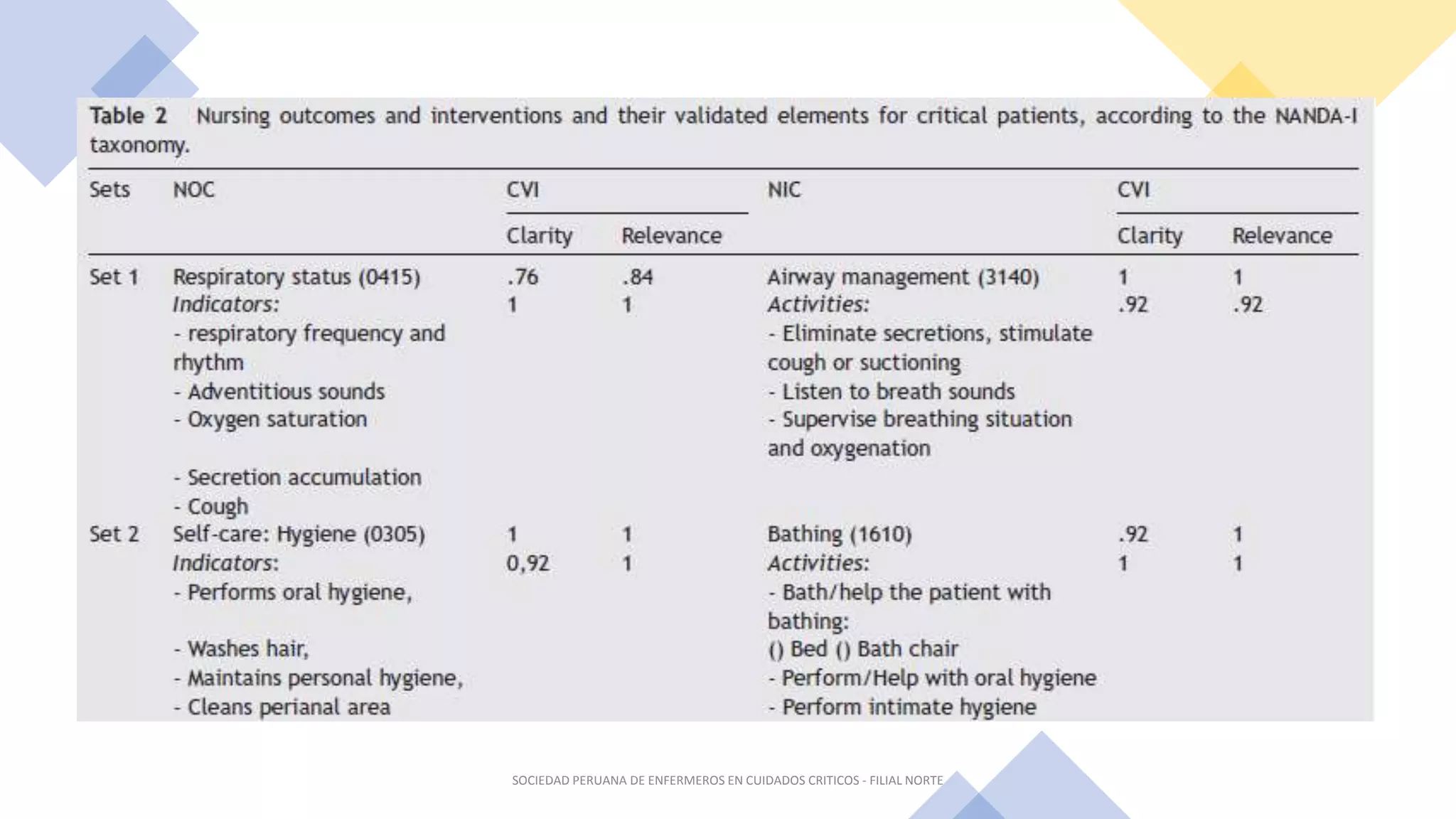
NANDA diagnoses describe patients’ responses to health problems, not the medical diagnosis itself. For example, “Impaired Gas Exchange” or “Anxiety” are NANDA terms that guide nursing assessment. NIC interventions translate those diagnoses into concrete steps—administering oxygen therapy, providing relaxation techniques, or educating the patient about medication. Finally, NOC outcomes give measurable criteria to gauge success, such as “Oxygen Saturation” reaching a target level or “Anxiety Level” dropping below a certain score.
How They Fit Together
- Assessment: Identify relevant NANDA diagnoses based on patient data.
- Planning: Choose NIC interventions that align with each diagnosis.
- Evaluation: Use NOC outcomes to determine if the interventions achieved the desired effect.
This linear flow mirrors the nursing process—assessment, diagnosis, planning, implementation, and evaluation—making documentation more logical and searchable.
Why Standardized Language Matters
First, it boosts communication across disciplines. A physician, a case manager, and a nurse in another state can all read the same chart and understand precisely what’s been done and what’s pending. Second, it fuels data analytics. Hospitals can aggregate NANDA‑NIC‑NOC data to track trends, benchmark performance, and support quality‑improvement initiatives. Lastly, it enhances education. Nursing students learn a common vocabulary that prepares them for diverse clinical settings.
Putting It Into Practice: A Real‑World Example
Imagine a 68‑year‑old patient admitted with congestive heart failure. The nurse’s assessment reveals shortness of breath and peripheral edema. Using NANDA, the nurse documents “Fluid Volume Excess” and “Impaired Gas Exchange.” For “Fluid Volume Excess,” the NIC list offers interventions like “Daily Weight Monitoring” and “Restrict Sodium Intake.” The corresponding NOC outcomes might be “Fluid Balance” and “Dyspnea Level,” each with numeric scales to track improvement over the hospital stay. By the discharge day, the chart shows that the patient’s fluid balance score improved from 4 to 2, confirming the care plan’s effectiveness.
Challenges and Common Misconceptions
One frequent hurdle is the learning curve. New graduates may feel overwhelmed by the sheer number of diagnoses—over 200—and interventions—more than 500. However, most clinical settings adopt a curated subset that aligns with their patient population, easing the burden. Another myth is that NANDA, NIC, and NOC are rigid checklists. In reality, they are flexible frameworks; nurses still exercise clinical judgment to select the most appropriate terms.
Future Directions: Toward Integrated Digital Care
Electronic health records (EHRs) are increasingly embedding NANDA‑NIC‑NOC libraries directly into their interfaces. This integration can auto‑suggest interventions once a diagnosis is entered, and instantly flag outcomes that haven’t met targets. Moreover, emerging artificial‑intelligence tools are being trained on standardized nursing data to predict risk and recommend personalized care pathways. While the technology is still evolving, the standardized language provides a solid foundation for these innovations.
Quick Tips for Getting Comfortable
- Start with the most common diagnoses in your specialty; you don’t need the entire catalog.
- Use the “search and filter” functions in your EHR to find relevant NIC interventions quickly.
- When documenting outcomes, always note the baseline score—this makes trend analysis meaningful.
- Participate in unit‑based workshops; peer learning reinforces terminology.
Frequently Asked Questions
Q: Do I have to use all three classifications for every patient?
A: No. You apply NANDA, NIC, and NOC as needed. If a patient’s situation only warrants a diagnosis and a single intervention, you can document just those elements.
Q: How often are the classifications updated?
A: Each organization releases a new edition roughly every four years, incorporating the latest research and practice trends.
Q: Can NANDA diagnoses replace medical diagnoses?
A: Absolutely not. NANDA focuses on patients’ responses to health issues, while medical diagnoses describe the disease itself. Both are essential but serve different purposes.
Q: Is it possible to customize the classifications for my unit?
A: Many EHR vendors allow you to create unit‑specific “favorites” lists, streamlining the selection of the most relevant terms for your practice.