Understanding the 3Way Approach: A Guide to O3 Financing
When you hear the term “O3 Financing,” the first thing that often comes up is the 3Way approach. It’s a framework that blends three distinct financing streams—equity, debt, and mezzanine—into a single, cohesive structure. By the end of this guide, you’ll see why O3 embraces this model, how each component interacts, and what it means for borrowers and investors alike.
What Is the 3Way Approach?
The 3Way approach is essentially a hybrid financing strategy that layers three sources of capital. First, there’s the equity tranche, which provides the foundational ownership stake. Next comes senior debt, the low‑cost loan that sits atop the capital stack. Finally, mezzanine financing fills the gap between equity and debt, offering flexible, higher‑yield capital. When combined, these layers can lower overall cost of capital while preserving control for founders.
In practice, O3 uses this structure to tailor solutions to mid‑size projects that are too large for pure equity but too risky for traditional bank loans alone. The result is a more balanced risk profile and, often, a quicker path to closing.
Why O3 Financing Chooses This Model
O3’s mission is to bridge the financing gap for growth‑stage businesses. The 3Way model aligns with that mission in three ways. First, it diversifies funding sources, reducing reliance on any single lender. Second, it creates a built‑in hierarchy that protects senior lenders while still rewarding mezzanine investors with upside potential. Third, it offers borrowers flexibility—equity can be used for strategic initiatives, debt for working capital, and mezzanine for scaling operations.
Because each layer has its own risk‑return profile, O3 can match the right investor to the right slice of the deal, which often translates into better terms for the borrower.
Step‑by‑Step: How the Three Ways Work Together
Here’s a quick walk‑through of a typical O3 financing transaction:
- Equity injection: The company’s founders and possibly a venture partner contribute capital, usually representing 20‑30% of the total financing.
- Senior debt placement: A bank or institutional lender provides a secured loan, covering roughly 50‑60% of the capital need. This debt is serviced first from cash flow.
- Mezzanine bridge: A specialty finance firm supplies the remaining 10‑20%, often with warrants or profit‑participation rights that kick in after the senior debt is paid.
Cash flow from the business first meets senior debt obligations, then mezzanine interest, and finally any equity dividends. This waterfall ensures that the most senior claims are satisfied before any upside reaches the equity holders.
Benefits for Borrowers and Investors
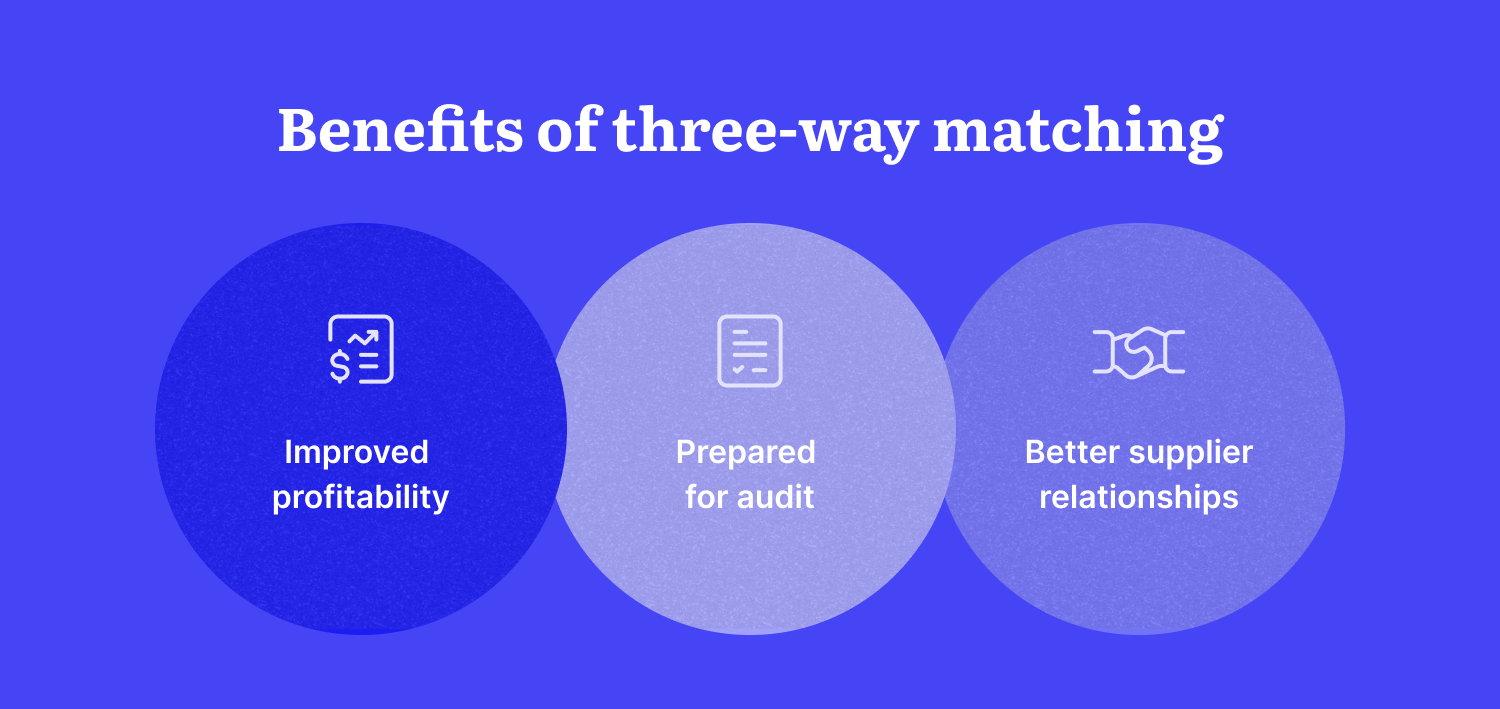
Borrowers gain a lower weighted average cost of capital than they would with equity alone, while still retaining significant ownership. The senior debt component brings discipline—regular repayments force strong cash‑flow management. Mezzanine capital, meanwhile, offers a “sweet spot” of flexibility: it’s less dilutive than pure equity but more forgiving than senior debt when cash is tight.
Investors appreciate the clear hierarchy. Senior lenders enjoy a secured position with relatively low risk, mezzanine investors receive higher yields and optional equity kicker, and equity partners keep upside potential if the venture exceeds expectations. The layered structure also makes it easier to sell or refinance individual slices of the deal without unraveling the whole package.
Potential Pitfalls and How to Mitigate Them
Complexity is the biggest downside. Managing three capital sources requires careful covenant monitoring and precise cash‑flow forecasting. Misaligned expectations between equity and mezzanine holders can also spark disputes, especially if the business underperforms.
O3 mitigates these risks by setting clear, upfront covenants that define payment priorities and trigger events. Regular reporting schedules keep all parties on the same page, and O3’s dedicated relationship managers act as mediators when tensions arise. For borrowers, maintaining a modest debt‑to‑EBITDA ratio—typically below 3x—helps ensure that senior debt stays comfortably serviced.
Practical Tips for Applying the 3Way Approach
If you’re considering O3’s 3Way model, start with a realistic assessment of your capital needs. Break down the total amount into three buckets: how much can you realistically raise from equity partners, what portion can a bank comfortably lend, and what gap remains for mezzanine.
Next, prepare a cash‑flow waterfall that shows precisely when each tranche will be paid. Investors love transparency, and a well‑structured waterfall can be the deciding factor in securing mezzanine capital.
Finally, engage a financing advisor early. The advisor can help you negotiate covenants, align incentive structures across tiers, and position the deal in a way that highlights the risk mitigation benefits of the 3Way approach.
Frequently Asked Questions
- What types of projects are best suited for the 3Way model? Typically, growth‑stage companies with stable cash flow but insufficient equity to cover the entire capital requirement. Real estate developments, technology scale‑ups, and mid‑market manufacturing expansions often fit this profile.
- How does O3 assess risk across the three components? O3 conducts a layered risk analysis: equity is evaluated for management quality and market traction; senior debt is screened for collateral value and cash‑flow coverage; mezzanine is priced based on the residual risk after senior obligations are accounted for.
- Can the 3Way approach be combined with other financing structures? Absolutely. Many borrowers layer a 3Way package on top of existing convertible notes or government grants. The key is to ensure that repayment waterfalls remain clear and that no covenant conflicts arise.