Understanding Wrongful‑Death Compensation After an Apartment Fire
When a tragic apartment fire takes a life, the surviving family members often face a tangled web of legal questions. One of the most pressing is whether they can pursue a wrongful‑death claim and, if so, what kind of compensation is available. This guide walks through the basics of wrongful‑death law, the key factors that affect payouts, and the practical steps families should consider.
What Is a Wrongful‑Death Claim?
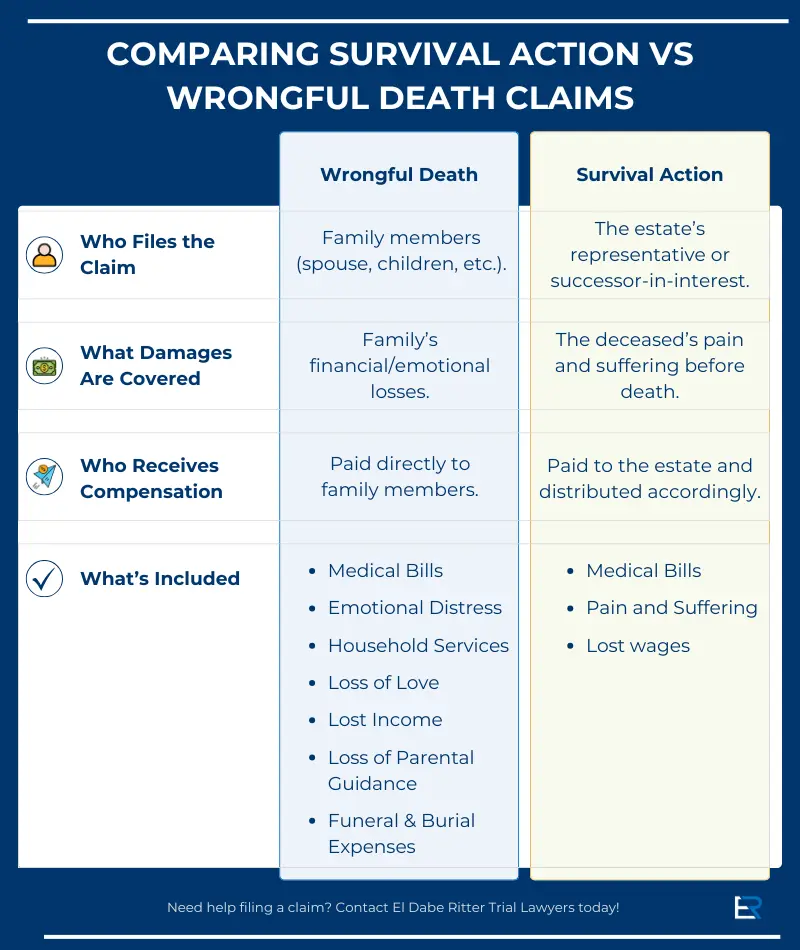
A wrongful‑death claim is a lawsuit filed by an estate or next of kin against a party that may have caused or contributed to a death. Unlike ordinary personal‑injury claims, wrongful death focuses on losses that arise after the victim’s passing—such as loss of companionship, financial support, and funeral expenses. The plaintiff must prove that the defendant’s negligence, recklessness, or intentional act directly led to the fatal event.
Common Faults in Apartment Fire Cases
Apartment fires frequently involve a combination of building‑wide and tenant‑specific issues. Below are the most common legal angles:
- Building Code Violations – Failure to install required smoke detectors, fire alarms, or proper fire separation between units.
- Electrical Hazards – Overloaded circuits, faulty wiring, or improper use of extension cords.
- Maintenance Negligence – Ignoring fire‑sprinkler malfunctions or blocked fire exits.
- Tenant‑Related Lapses – Cooking unattended, improper use of heating devices, or smoking in prohibited areas.
In many cases, liability can be shared between the landlord, property management, and the tenant, depending on the facts and local statutes.
How Courts Determine Compensation Amounts
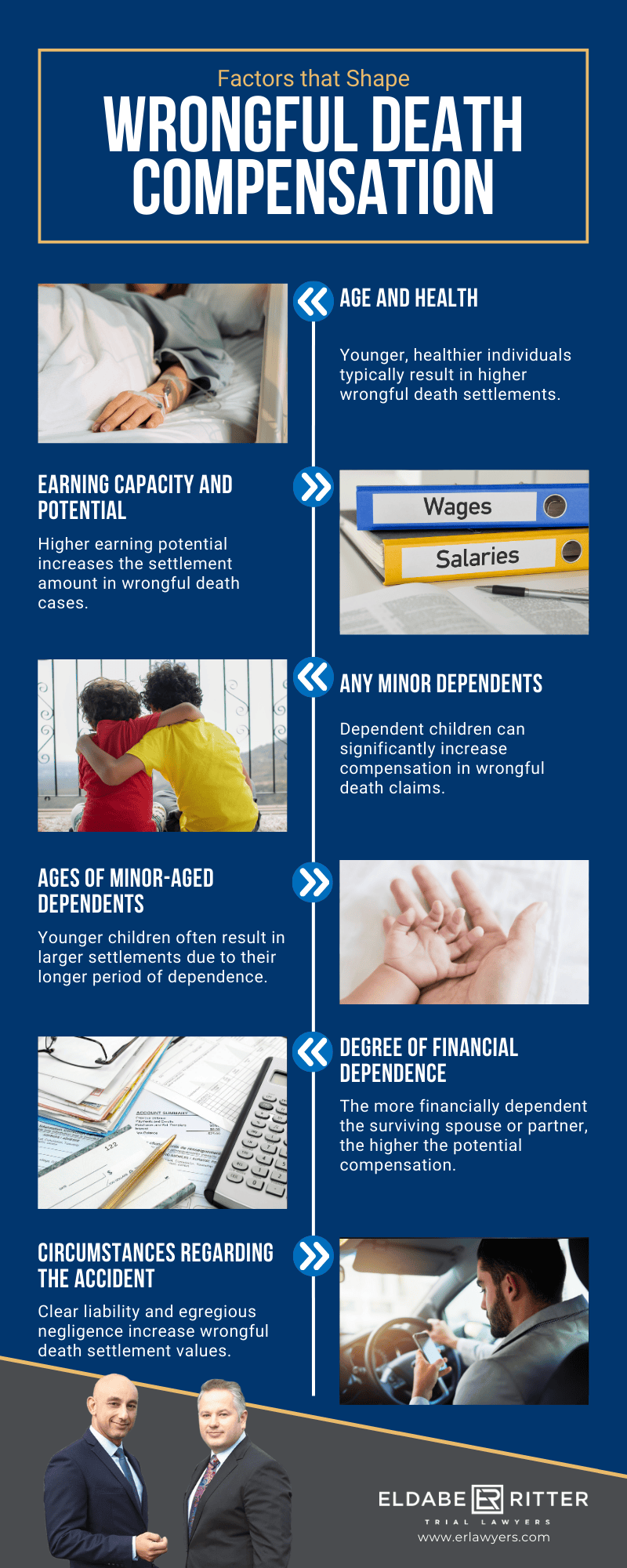
Wrongful‑death settlements or judgments vary widely, but courts typically consider several categories of damages:
- Economic Damages – Tangible losses such as lost wages, future earning capacity, and medical or funeral expenses.
- Non‑Economic Damages – Intangible losses including loss of companionship, emotional distress, and loss of enjoyment of life.
- Punitive Damages – In extreme cases, courts may award punitive damages to punish gross negligence or reckless conduct.
State laws set caps on certain damages. For example, some states limit non‑economic damages to a multiple of the deceased’s annual salary or impose a maximum amount altogether. Always check the specific statutes in your jurisdiction.
Key Timeframes and Statutes of Limitations
Wrongful‑death lawsuits must be filed within a specific period after the death. This period—called the statute of limitations—varies by state, but common ranges are two to five years. Filing late can bar the claim entirely, so families need to act promptly. Some states allow an extended window for minors or spouses, but the rules are rarely uniform.
Who Can File a Wrongful‑Death Claim?
Most jurisdictions allow the following parties to sue:
- The deceased’s spouse or civil partner.
- Parents and children of the deceased.
- Other close relatives who can demonstrate a special relationship.
- In some places, the estate itself may file on behalf of all heirs.
Each state’s definition of “special relationship” can be subtle; consulting a local attorney can clarify eligibility.
Collecting Evidence: A Critical Step
Because wrongful‑death claims hinge on proving causation, gathering evidence is vital. Useful documentation includes:
- Fire department reports detailing the cause and spread.
- Property maintenance records showing prior fire hazards.
- Medical records illustrating the deceased’s pre‑existing conditions.
- Financial statements and employment records for economic damages.
- Photographs of the fire scene, property damage, and any safety equipment failures.
Professional investigators can help piece together how the fire started and who bears responsibility.
Choosing the Right Legal Representation
Wrongful‑death litigation is complex. A seasoned attorney can navigate local statutes, negotiate settlements, and manage the often emotionally charged court proceedings. Look for an attorney with:
- Experience handling residential fire cases.
- A track record of securing substantial compensatory and punitive damages.
- Transparent fee structures—many wrongful‑death lawyers work on a contingency basis.
Early consultation can also reveal potential defenses the defendant might raise and help set realistic expectations.
When a Settlement Is a Better Choice
Litigation can be lengthy and costly. Many wrongful‑death claims settle out of court, offering a faster resolution and avoiding the uncertainty of trial. Settlements often include:
- A fixed monetary award covering all damages.
- Non‑financial terms like memorial contributions or property improvements.
- A confidentiality agreement to keep the settlement details private.
Families should weigh the speed and certainty of a settlement against the possibility of a higher court award.
Aftermath: Handling the Award
Once a compensation decision is made, managing the funds responsibly is essential. Common uses include:
- Paying final funeral and burial expenses.
- Covering ongoing medical and living costs for surviving dependents.
- Investing in a trust to provide future financial security.
- Contributing to charitable causes the deceased cared about.
Estate planning professionals can help structure distributions to minimize tax liabilities and protect heirs’ interests.
Frequently Asked Questions
Can the tenant be held liable for a wrongful death in an apartment fire?
Only if the tenant’s actions directly caused the fire and were reckless or intentional—such as cooking unattended or burning prohibited materials. In most cases, liability rests with building owners or maintenance staff.
What if the landlord has no insurance?
In the absence of property‑owner insurance, the landlord may still be personally liable. Some jurisdictions allow the estate to pursue damages against the landlord’s personal assets.
Do I need to file a wrongful‑death claim if the fire was due to a faulty appliance I owned?
If the appliance failure was a manufacturing defect, you might file a product‑liability lawsuit against the manufacturer instead. However, if building codes were violated, a wrongful‑death claim against the property owner could still be viable.
Moving Forward with Hope
Wrongful‑death claims after an apartment fire are fraught with legal intricacies and emotional weight. Understanding the foundational concepts—who can sue, what damages can be claimed, and how to gather evidence—empowers families to pursue justice effectively. With the right legal guidance and timely action, survivors can secure compensation that honors their loved one’s life and supports their future needs.