Unlocking the Future: What Unlocked SIM‑Free Phones Truly Mean
Over the last decade, the buzz around unlocked SIM‑free phones has exploded, especially among budget‑conscious shoppers and frequent travelers. These devices, sold without a carrier lock, let you choose any network that your country or region supports. But what does that actually translate to in everyday life? Let’s dive into the core benefits, how to spot a genuinely unlocked device, and whether this freedom is worth the extra upfront cost.
Unlocked SIM‑Free Phones: Definition and Why They Matter
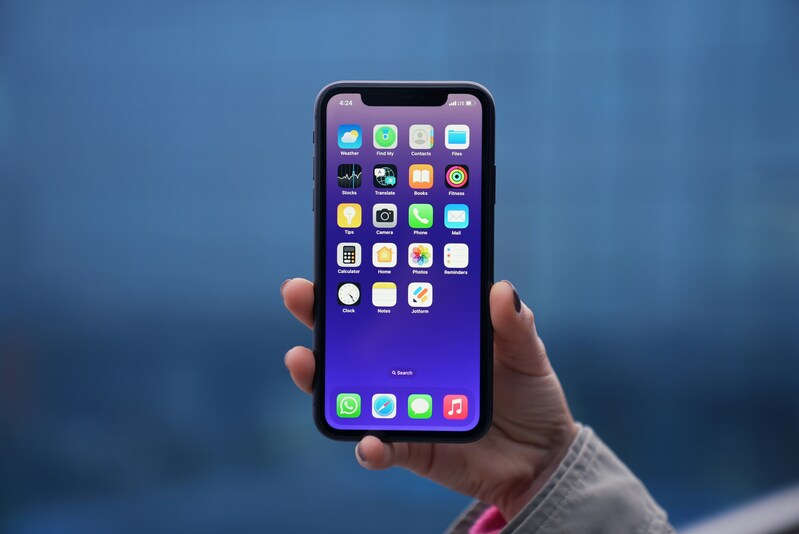
An unlocked SIM‑free phone is a handset sold without an agreement to a specific carrier. Unlike a standard contract phone, which is tied to a single network until the contract expires, the unlocked model works with any carrier that supports the device’s band and frequency. The result? You’re not shackled to a particular provider, plan, or location.
Why Are They Popular?
Three main forces drive the surge in unlocked phone sales: cost savings, flexibility, and travel readiness.
Cost Savings
Buy the phone outright and skip the carrier’s subsidized price. Then, purchase a plan that fits your budget. While some carriers offer attractive installment options, the long‑term savings can be significant—especially when you consider the hidden fees and overage charges of contract plans.
Freedom to Switch Carriers
If you’ve ever been trapped by a bad deal, you know how frustrating it can be. With a SIM‑free device, you can switch between carriers for better coverage, lower rates, or special promotions without purchasing a new phone.
Global Travel Convenience
Travelers can easily swap in a local SIM card at their destination, avoiding expensive roaming fees. Because the phone is not bound to one carrier’s infrastructure, it can adapt to new networks around the world.
Key Features to Look For When Buying an Unlocked Phone
- Operating System Compatibility – Ensure the OS version supports the carriers you plan to use, especially if you rely on features like VoLTE or 5G.
- Hardware Specs – Look for a device that covers the spectrum bands used in your country and abroad.
- Software Updates – Unlocked phones often receive updates directly from the manufacturer, but check the manufacturer’s track record.
- International Compatibility – Verify that the device works on foreign networks, especially if you plan to travel frequently.
How to Verify a Phone Is Truly Unlocked
- Check the Packaging – The box should state “unlocked” or “SIM‑free.”
- Insert a Different SIM – Insert a SIM from another carrier. If the phone prompts you to unlock or rejects the card, it’s still locked.
- Use the Settings Menu – Under “About phone” or “Network,” look for a carrier lock status. “No SIM lock” confirms it’s unlocked.
- Consult the Manufacturer’s Site – Many brands list the exact frequency bands and lock status for each model.
Common Misconceptions About SIM‑Free Devices
1. “Unlocked means you can use any network worldwide.” While many unlocked phones support global bands, some models only cover specific regions. Always confirm the band compatibility before you buy.
2. “Unlocked phones are cheaper overall.” The upfront price may be higher, but you avoid carrier subsidies, which can add up over time. Compare total cost of ownership before deciding.
3. “All unlocked phones receive the same updates.” Update schedules depend on the manufacturer, not the carrier. Some carriers delay or modify OTA updates, so the unlocked route often means faster, cleaner updates.
Is an Unlocked Phone Right For You?
Consider these scenarios:
- Frequent Movers or Renters – If you change locations often, an unlocked phone keeps you out of the carrier lock cycle.
- International Travelers – Those who travel across continents benefit from the ability to switch local SIMs without device constraints.
- Budget‑Focused Shoppers – If you want to avoid long‑term contracts and want the freedom to shop plans annually, an unlocked phone offers flexibility.
- Tech Enthusiasts – Those who like to keep their device current with the latest OS and security patches find unlocked models easier to maintain.
On the flip side, if you prefer the convenience of a carrier’s bundled service—think free data, auto‑renewals, or device insurance—you might favor a contract phone.
Frequently Asked Questions
- Q: Can I use any carrier with an unlocked phone?
A: Most carriers that support the phone’s bands will work, but always verify compatibility for your region. - Q: Does an unlocked phone cost more upfront?
A: Often yes, but you save on carrier subsidies and can choose cheaper plans later. - Q: Will I get the same data speeds on any carrier?
A: Speed depends on the carrier’s network quality, not the phone’s lock status. - Q: Are there risks to using a non‑carrier SIM?
A: Rarely. Most modern phones handle multiple carriers seamlessly, though some legacy models may have issues with certain bands.