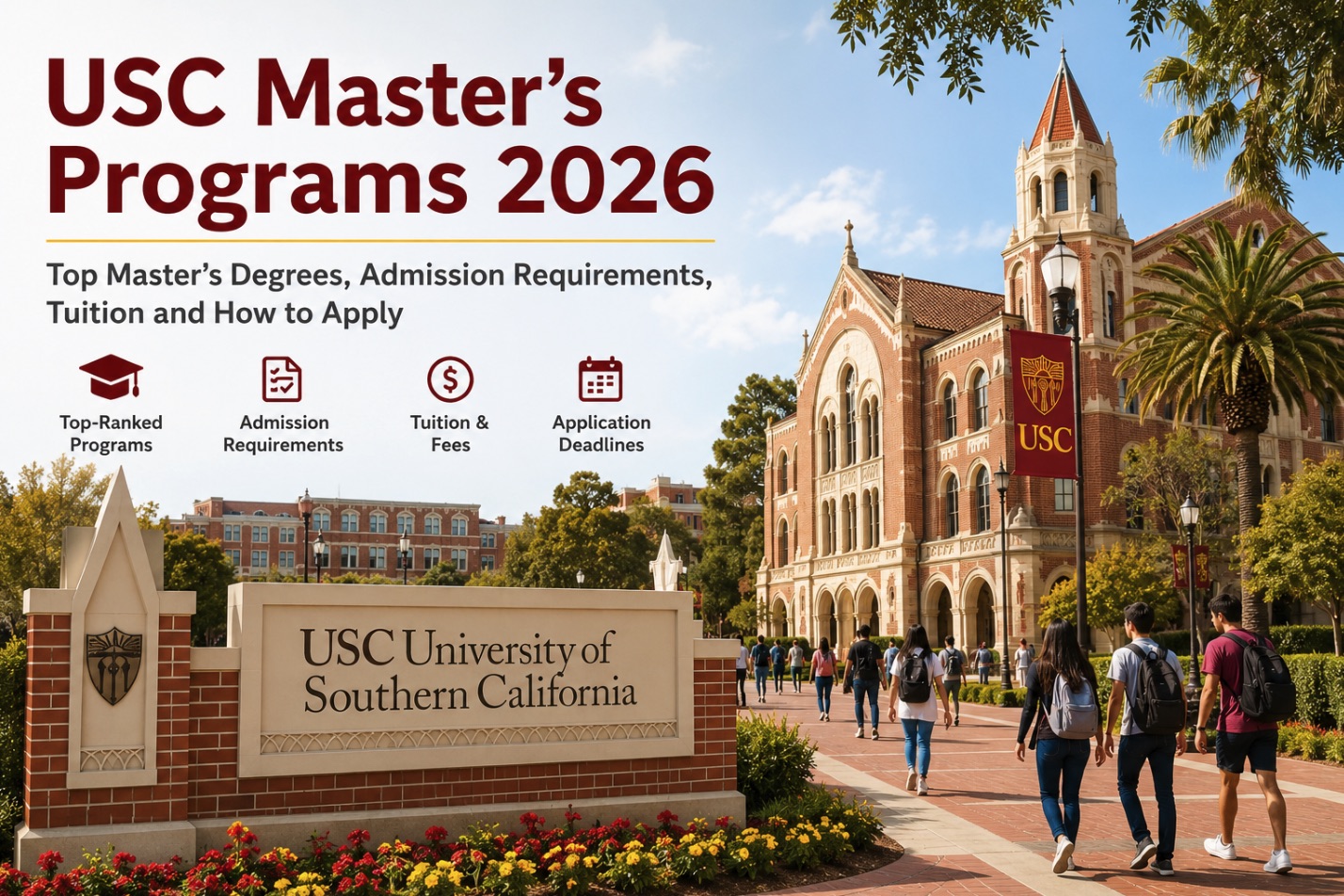
USC in California: A Practical Guide for Prospective Students
Your Guide to USC in California: Overview
Thinking about joining the University of Southern California? Nestled in the vibrant city of Los Angeles, USC blends rigorous academics with a bustling Southern‑Californian lifestyle. This guide walks you through the campus vibe, admissions basics, financial aid options, and what everyday life looks like for a Trojan.
Why Choose USC?
USC consistently ranks among the top private research universities in the United States. Its alumni network stretches across Hollywood, Silicon Valley, and Wall Street, giving students a leg up in internships and job placements. Moreover, the school’s emphasis on interdisciplinary learning means you can easily combine fields—think engineering and film, or business and public policy.
Academics at a Glance
USC offers more than 150 majors across 12 schools, including the renowned Viterbi School of Engineering and the Marshall School of Business. Class sizes vary widely: introductory lectures can seat a few hundred, while upper‑level seminars often limit enrollment to under twenty students, fostering close interaction with professors.
- Signature programs: Cinematic Arts, Biomedical Engineering, and International Relations.
- Research opportunities: Undergraduates can join faculty labs as early as their sophomore year.
- Study abroad: Over 400 partner institutions worldwide, many with credit transfer agreements.
Admissions Essentials
Getting into USC is competitive; the acceptance rate hovers around 12 %. While no single factor guarantees admission, a balanced profile helps. Below is a quick snapshot of what the admissions office looks for.
- Academic performance: Strong GPA (typically 3.7 + on a 4.0 scale) and challenging coursework (AP, IB, or honors).
- Standardized tests: USC has adopted a test‑optional policy, but high SAT/ACT scores can still boost an application.
- Extracurriculars: Leadership roles, sustained community involvement, or notable achievements in arts, sports, or research.
- Personal essay: A compelling narrative that reflects your values, goals, and why USC fits into your story.
Tip: Start the application early to give yourself time for revisions and to gather strong recommendation letters.
Financing Your Education
Tuition for the 2024‑2025 academic year is roughly $65,000, not counting housing, meals, and books. However, USC offers a range of aid options to make the cost manageable.
- Need‑based aid: The university meets 100 % of demonstrated financial need for admitted students.
- Merit scholarships: Awards like the Trustee Scholarship recognize academic excellence, leadership, and community service.
- Work‑study programs: Campus jobs range from library assistants to research aides, providing both income and experience.
- External scholarships: Many organizations, especially those focused on specific majors or underrepresented groups, fund USC students.
Use the FAFSA and the CSS Profile to apply for federal and institutional aid; start these forms as soon as they open in October.
Campus Life and Neighborhoods
USC’s 300‑acre campus feels like a small city within Los Angeles. The iconic Tommy Trojan statue, the historic Doheny Library, and the modern USC Village—a hub of dining, retail, and study spaces—are just a few landmarks you’ll encounter daily.
Student life thrives on over 1,000 clubs, ranging from cultural organizations to competitive robotics teams. Greek life is also prominent, with more than 70 fraternities and sororities offering social and philanthropic outlets.
Living in Los Angeles
Most freshmen live in university‑run residence halls such as Freshman Residence Hall or the newer Parkside Residential Community. Upper‑classmen often opt for off‑campus apartments in neighborhoods like Exposition Park or Mar Vista, which are a short bus ride away.
The city itself offers endless entertainment: beaches in Santa Monica, hiking in the Santa Monica Mountains, and a thriving arts scene downtown. Public transportation—including the Metro Expo Line—connects campus to the broader LA area, making it easy to explore without a car.
Career Services and Alumni Network
USC’s Career Center provides résumé workshops, mock interviews, and a robust job board that lists internships and full‑time positions. Because many employers recruit directly on campus, attending career fairs can lead to offers before graduation.
Perhaps the most valuable asset is the Trojan alumni network. With more than 400,000 graduates worldwide, alumni often mentor current students, host informational sessions, and open doors to internships in fields as diverse as entertainment, tech, and finance.
Frequently Asked Questions
What is the average class size for upper‑division courses?
Upper‑division seminars typically enroll 15‑20 students, allowing for deeper discussion and closer faculty interaction.
Does USC offer housing for graduate students?
Yes, several on‑campus apartments are reserved for graduate students, and the university also assists with off‑campus housing searches.
Can I transfer credits from a community college?
USC accepts transfer credits on a case‑by‑case basis; generally, courses with a grade of C‑ or higher that align with USC’s curriculum are eligible.
How safe is the USC campus?
The university maintains a 24‑hour police department, emergency blue‑light phones across campus, and a mobile safety app that lets students request assistance instantly.