What Drives South Korea’s Military? Culture, Threats & Duty
When you hear “South Korea’s military,” images of high‑tech tanks and disciplined parades may spring to mind. Yet the real engine behind those formations is far richer: a blend of historical memory, relentless security pressures, compulsory service, and a deep‑seated sense of collective responsibility. Understanding why South Korean soldiers and officers act the way they do requires looking past uniforms and into the motivations that shape their daily choices.
Historical Roots of Military Motivation
Modern South Korea’s armed forces trace their lineage to the Korean War (1950‑1953), a conflict that left an indelible scar on the national psyche. The war’s devastation fostered a collective belief that a strong military is essential for survival. This belief was cemented during the post‑war era, when the United States helped build a defense infrastructure that emphasized readiness against a hostile North.
That early experience still echoes in the way soldiers view their role: protecting a fragile peace is not an abstract duty but a personal promise to families who endured bombings, displacement, and loss.
Geopolitical Pressures and National Security
South Korea occupies one of the world’s most volatile borders. The Demilitarized Zone (DMZ) separates it from North Korea, a regime that consistently tests the southern side with missile launches, cyber incursions, and occasional skirmishes. This constant threat reshapes motivation in two ways.
- External vigilance: Service members train for scenarios that could unfold at any moment, from artillery exchanges to hybrid warfare.
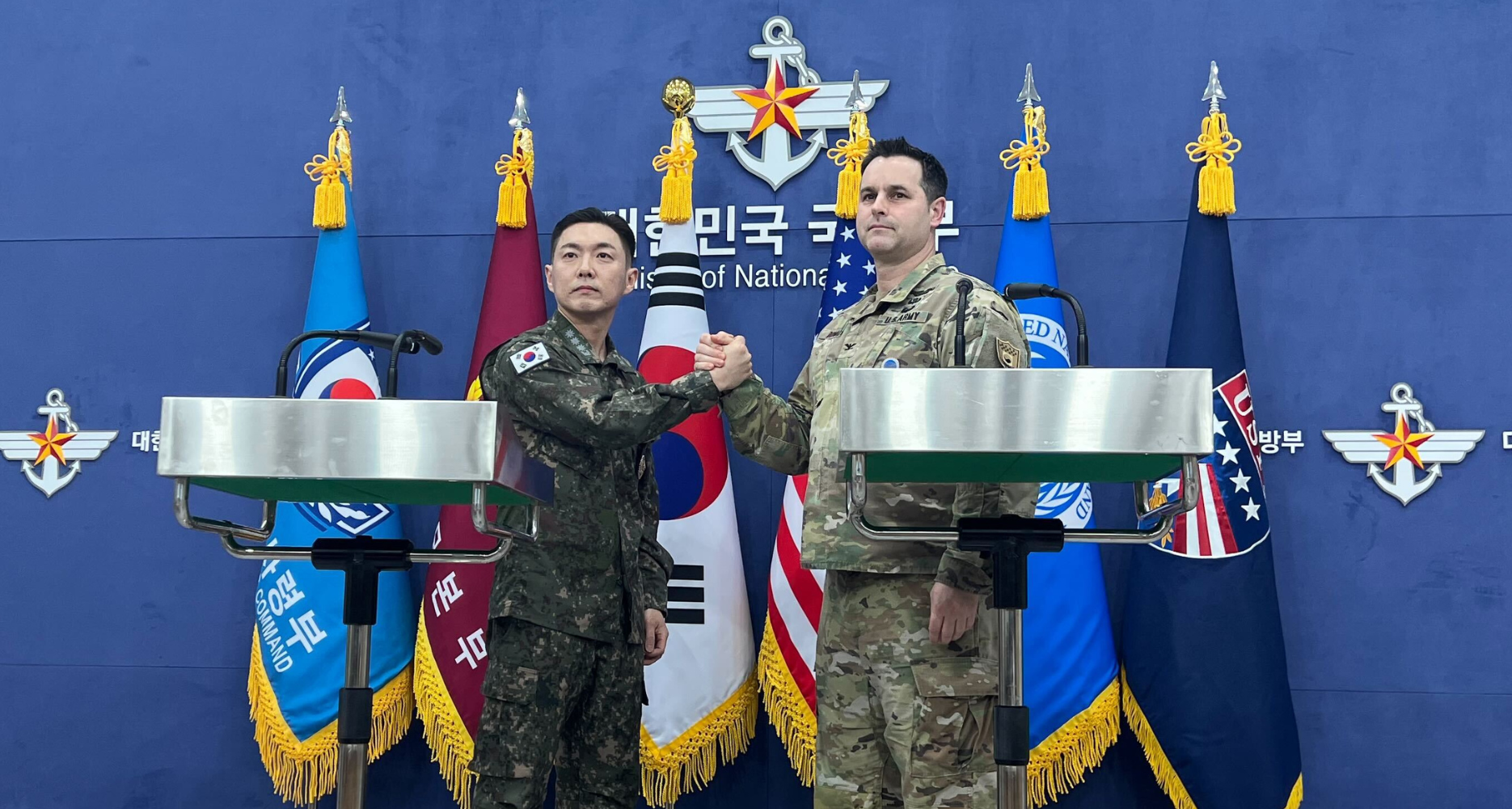
- Alliance dynamics: The U.S.–South Korea alliance adds another layer, encouraging soldiers to adopt standards that align with NATO practices while also preserving national sovereignty.
Because the threat is real and ongoing, many soldiers describe a “watchful pride” – a feeling that their vigilance directly shields the country’s democratic way of life.
Conscription and Civic Duty
Unlike many nations that rely solely on volunteers, South Korea mandates compulsory military service for almost all able‑aged men, typically lasting 18 to 21 months. This policy does more than fill ranks; it weaves the military into the fabric of everyday life.
Young men often see conscription as a rite of passage. While the experience can be grueling, many emerge with a renewed sense of belonging, having shared hardships with peers from diverse backgrounds. The shared service period also creates a network of acquaintances that can be valuable in civilian careers later on.
However, motivation isn’t uniform. Some view the draft as an inconvenient interruption, while others embrace it as an opportunity to demonstrate patriotism and personal growth.
Organizational Culture and Training
South Korean military units emphasize cohesion, discipline, and technological proficiency. Training drills are rigorous, often incorporating cutting‑edge equipment ranging from K2 tanks to indigenous missile systems.
Leadership encourages a “mission‑first” mindset, where personal comfort is secondary to collective success. This culture is reinforced by merit‑based promotion pathways, allowing soldiers who excel to rise quickly and gain prestige.
In practice, you’ll hear commanders speak about “unit honor” – a concept that pushes individuals to outperform not just for themselves, but to uphold the reputation of their squad, battalion, and the nation.
Individual Aspirations and Career Paths
Beyond duty, many service members pursue the military as a career. The armed forces offer stable salaries, comprehensive health care, and access to advanced technical training that can translate to civilian jobs in engineering, logistics, or information technology.
For some, the military is a stepping stone into politics or public service. Former officers have become influential lawmakers, leveraging their defense expertise to shape policy. This potential for upward mobility fuels motivation, especially among those from rural or economically disadvantaged backgrounds.
Conversely, a growing segment of younger volunteers is attracted by the chance to work with sophisticated drones, cyber‑defense units, or special forces. The allure of high‑tech roles reflects a broader societal shift toward digital expertise.
Balancing Tradition and Modernity
The South Korean military constantly negotiates between preserving tradition—honoring the sacrifices of past generations—and embracing innovation. This balancing act is evident in the way ceremonial drills sit alongside cyber‑warfare training rooms.
Such duality can be motivating: soldiers feel they are part of a living legacy while also contributing to a forward‑looking defense strategy. The sense that they are both guardians of history and pioneers of the future keeps morale high, even during demanding deployments.
FAQ
Why is conscription still mandatory in South Korea?
Because the ongoing threat from North Korea makes a large, ready reserve essential for rapid mobilization, and the draft also reinforces a shared national identity.
Do South Korean soldiers receive advanced technology training?
Yes, especially in units focused on armor, aerospace, and cyber operations, where soldiers train on domestically produced systems and allied equipment.
How does military service affect civilian careers?
Veterans often leverage leadership experience, technical skills, and the extensive alumni network formed during service to secure jobs in engineering, IT, and public administration.