What Evidence Is Essential for a Wrongful‑Death Claim After an Apartment Fire?
When a tragic apartment fire claims a life, the surviving family often turns to a wrongful‑death lawsuit to seek accountability and compensation. The success of such a case hinges on gathering the right evidence—proof that the fire was caused by negligence, that the landlord or a third party failed to meet safety standards, and that the death was directly linked to those lapses. If you’re wondering what evidence is needed for an apartment fire wrongful‑death claim, this guide outlines the core categories, practical tips for collecting them, and the legal context that shapes your strategy.
Evidence Needed For An Apartment Fire Wrongful Death Claim
The heart of any wrongful‑death claim is a solid evidence base. While each case varies, the following categories tend to be universal:
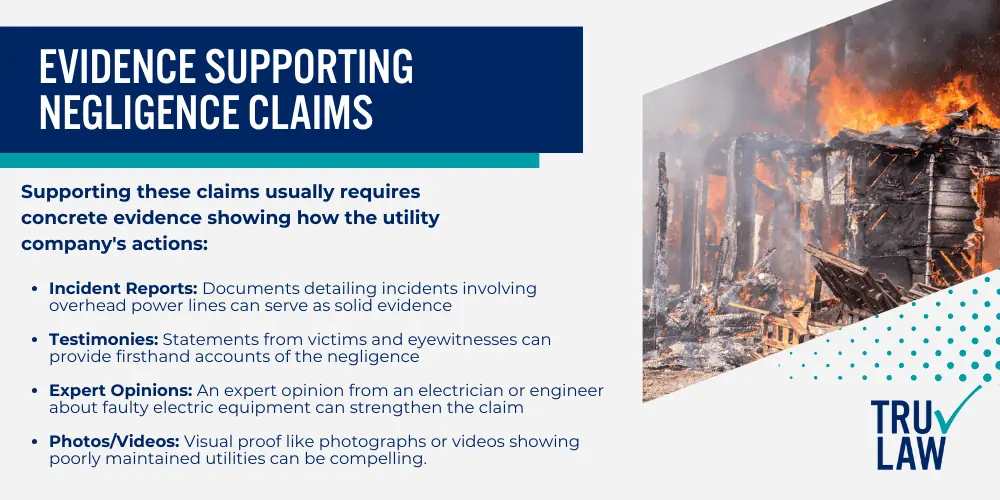
- Fire‑Scene Documentation: Photographs, videos, and official fire‑department reports that capture the layout, damage, and cause indicators.
- Witness Testimony: Statements from neighbors, roommates, and first responders who observed the fire’s onset and the occupants’ response.
- Maintenance Records: Building logs, inspection reports, and repair histories that show whether safety systems were functioning.
- Expert Analysis: Fire‑investigation reports, building‑code specialists, and occupational safety experts who can connect negligence to the fatal outcome.
- Contractual Documents: Lease agreements, insurance policies, and any correspondence that outlines responsibilities and breaches.
Below we break down how to collect each type of evidence and why it matters.
1. Fire‑Scene Documentation
The scene is the most tangible record. Even if the fire consumed much of the structure, fire‑department reports often include:
- Cause determination (e.g., faulty wiring, unattended cooking, arson).
- Heat‑pattern analysis, showing where the fire started and how it spread.
- Notes on structural failures or code violations.
Photographs and video footage—whether taken by emergency personnel or nearby residents—provide visual context that can reinforce written reports. If the building is still standing, a professional photographer can capture the extent of damage and any lingering hazards.
2. Witness Testimony
Human eyes and ears are powerful. Neighbors who heard screams or saw smoke, roommates who heard a sudden spark, or neighbors who observed the building’s alarm activation are all valuable witnesses. To strengthen their accounts:
- Interview them promptly—memories fade, and details can shift.
- Record statements in writing, not just verbally.
- If possible, obtain notarized affidavits.
Witnesses can confirm whether smoke alarms sounded, if fire suppression systems engaged, and whether occupants had a realistic chance to escape.
3. Maintenance and Inspection Records
Negligence often shows up in paperwork. Landlords are required to keep records of:
- Electrical and fire‑safety inspections.
- Repairs to smoke detectors, fire doors, and wiring.
- Compliance with local building codes and fire regulations.
Missing or incomplete records can be a strong indicator of neglect. If the landlord can’t produce documentation, that itself becomes evidence of potential liability.
4. Expert Analysis
Courts rely on specialists to interpret complex technical details. Common experts include:
- Certified fire investigators who can reconstruct the fire’s origin and confirm that it stemmed from a negligent element.
- Building‑code attorneys who can explain how the structure fell short of legal standards.
- Electrical engineers who can prove that wiring failures caused the spark that started the blaze.
Expert reports should be concise, cite reputable sources, and directly link the alleged negligence to the death. They help the judge or jury understand why the landlord’s or third party’s actions—or inactions—were the proximate cause.
5. Contractual Documents and Correspondence
Leases often delineate responsibilities: who maintains wiring, who pays insurance, and who is liable for emergencies. In a wrongful‑death case, it’s essential to show:
- Any clauses that place fire‑safety duties on the landlord.
- Written complaints or notices sent by tenants regarding hazards.
- Insurance policy terms that might influence liability.
These documents can expose contractual breaches that reinforce the claim of negligence.
Legal Context and Common Challenges
Wrongful‑death statutes vary by state, but most require that the plaintiff prove a direct causal link between the defendant’s negligence and the death. Courts scrutinize:
- Whether the defendant acted with reasonable care.
- Whether the plaintiff’s own conduct contributed to the outcome.
- Any intervening events that might shift liability.
Collecting evidence early—ideally within the first 48 hours—helps mitigate the risk of losing critical documents. Time‑sensitive items such as CCTV footage or fire‑department logs can become unavailable or corrupted. Additionally, witnesses may be reluctant to testify, so securing written statements promptly is key.
Steps for Building a Solid Evidence Portfolio
- Call the police and fire department immediately; request copies of all reports.
- Secure the apartment if possible, preserving physical evidence like damaged wiring or fire‑suppression equipment.
- Interview neighbors and neighbors’ relatives; document their statements in written form.
- Gather all maintenance logs, inspection certificates, and repair receipts from the landlord or property manager.
- Engage a fire‑investigation firm to conduct a forensic analysis.
- Hire a building‑code expert to assess compliance breaches.
- Compile all documents into a master case file, organized by type and relevance.
Working closely with an attorney who specializes in wrongful‑death claims can streamline the process, ensuring that evidence is admissible and strategically positioned.
FAQ
What types of evidence do courts usually find most persuasive in wrongful‑death cases?
Courts value a mix of objective data—like fire‑department reports and expert analyses—and credible witness testimony that corroborates the causal chain from negligence to death.
Can a landlord argue that the occupant was at fault?
While occupants’ conduct can be considered, liability typically rests on the party responsible for maintaining safe living conditions. The burden is on the plaintiff to prove that the defendant’s negligence directly caused the death.
Is it necessary to have a forensic fire investigator for every case?
Not always, but in complex situations—especially where the cause is disputed—a forensic fire investigator can provide an authoritative, unbiased account that strengthens the claim.
What should I do if the landlord refuses to provide maintenance records?
Document the refusal in writing and seek a subpoena under