What the Google Pixel 8 Pro Offers Without a LiDAR Scanner
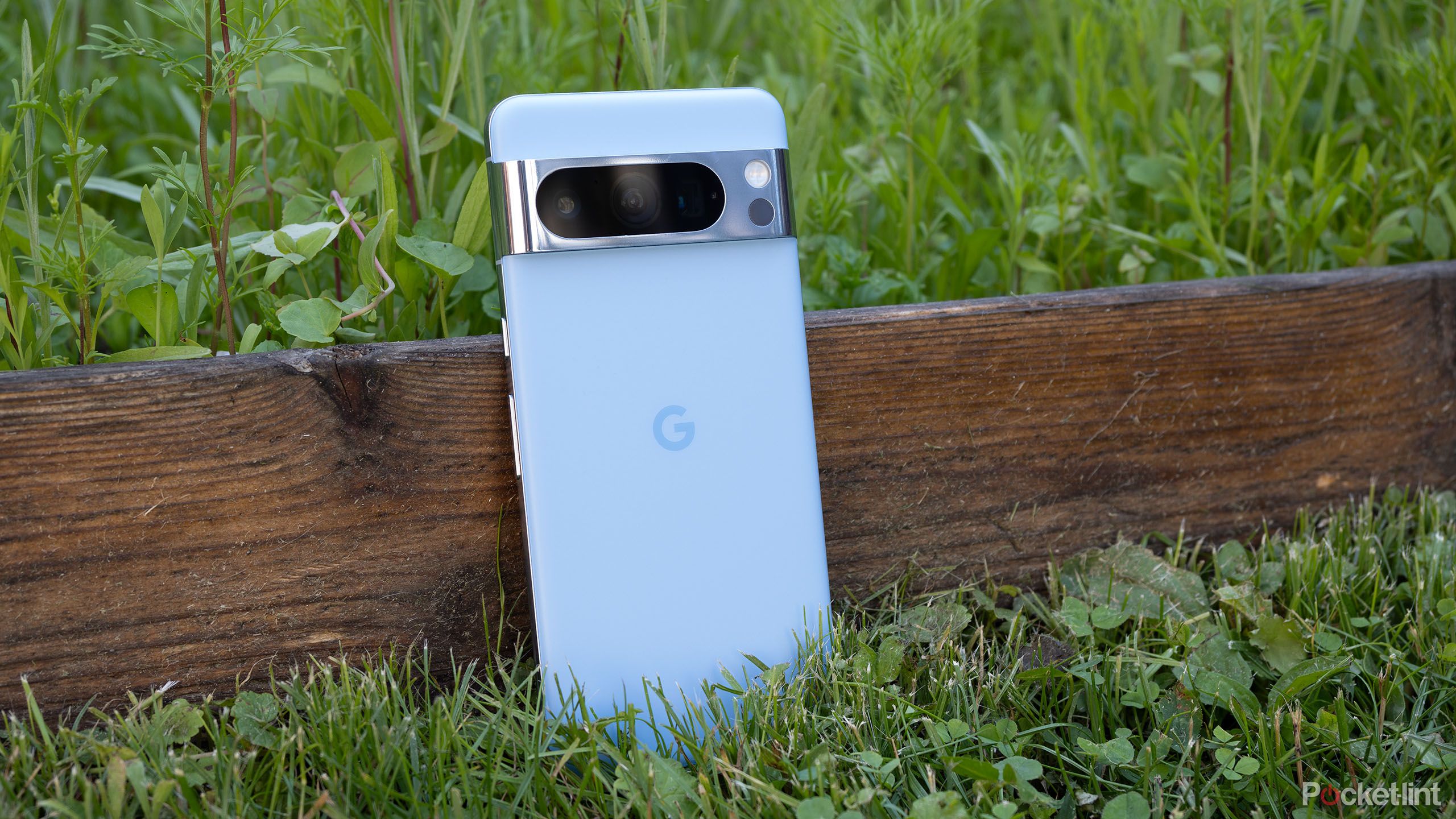
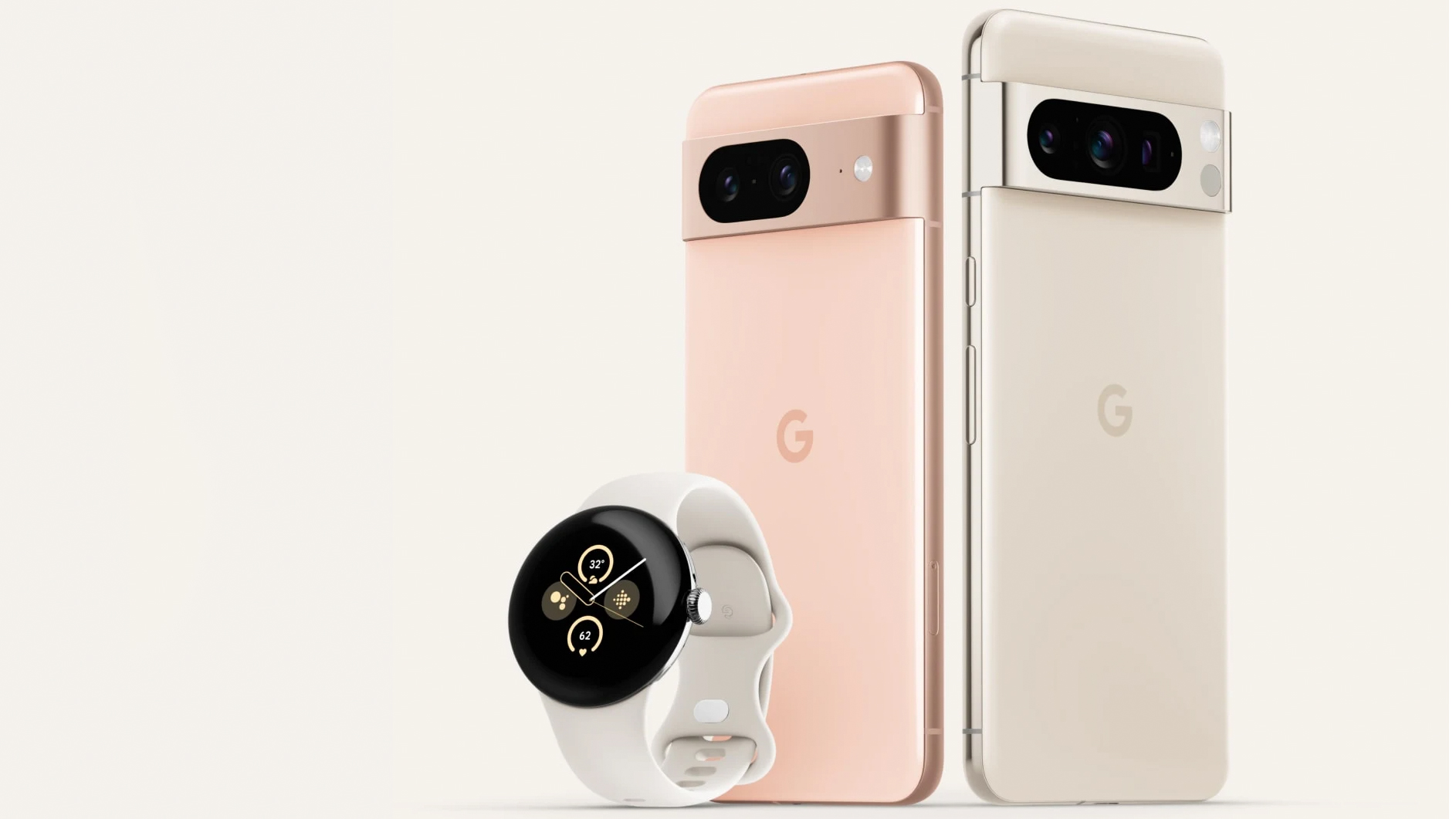
The Google Pixel 8 Pro arrived with a lot of fanfare, and one recurring question on forums was whether it finally got Apple‑style LiDAR hardware. The short answer: it didn’t. Instead, Google leaned on a mix of software tricks and existing camera sensors to deliver depth information. In this article we’ll unpack why Google left LiDAR out, how the Pixel 8 Pro still manages impressive AR and portrait effects, and what developers should keep in mind when building on the platform.
Why Google Skipped LiDAR in the Pixel 8 Pro
Google has historically favored software over dedicated hardware for most of its imaging innovations. Adding a LiDAR emitter would increase cost, affect battery life, and require a redesign of the already cramped rear‑camera module. Moreover, the Android ecosystem already offers multiple ways to gauge distance—ultrawide lenses, dual‑pixel phase detection, and the new Tensor G3 chip’s on‑device AI.
Another factor is market positioning. The Pixel line competes primarily on photography quality and integration with Google services, not on niche hardware features. By avoiding a LiDAR module, Google can keep the price competitive while still delivering the AR experiences most users actually use.
How the Pixel 8 Pro Handles Depth Sensing
Instead of a dedicated time‑of‑flight (ToF) sensor, the Pixel 8 Pro relies on three main components:
- Ultra‑wide camera: With a 114‑degree field of view, the ultra‑wide lens captures more of the scene, giving algorithms a richer dataset to infer depth.
- Dual‑pixel phase‑detect autofocus (PDAF): This sensor provides per‑pixel focus information that the AI can translate into a depth map.
- Tensor G3’s Neural Engine: Real‑time machine‑learning models analyze the combined data, producing a depth map that rivals the fidelity of LiDAR in many everyday scenarios.
The result is a seamless background blur in Portrait mode, accurate object placement in ARCore, and reliable measurement tools—all without a laser scanner. In well‑lit environments the depth estimation is nearly indistinguishable from a true LiDAR scan; low‑light performance still lags a bit, but software updates are narrowing that gap.
Comparing Google’s Approach to Apple’s LiDAR
Apple’s LiDAR sensors emit infrared pulses and measure the time they take to bounce back, delivering precise distance data down to a few millimetres. Google’s method is indirect, relying on inference rather than measurement. Here’s a quick side‑by‑side look:
- Accuracy: LiDAR excels in low‑light and at longer ranges (up to several metres). Google’s depth maps are strongest in well‑lit, medium‑range scenes (about 0.5‑2 m).
- Battery impact: LiDAR draws power continuously during scanning. The Pixel 8 Pro’s AI‑only approach uses far less energy, extending typical screen‑on time by a couple of hours.
- Cost: Adding LiDAR adds roughly $15‑$20 to the bill of materials. Google’s software‑centric solution saves that margin, which can be reinvested in other camera improvements.
- Developer experience: ARCore now offers depth API that abstracts away the hardware differences. Developers can request a depth map and receive a consistent format whether the device uses LiDAR, ToF, or AI‑derived data.
What This Means for AR Developers
If you’re building an AR app, the key takeaway is that you no longer need to design separate code paths for “LiDAR‑enabled” and “non‑LiDAR” phones. ARCore’s Depth API returns a DepthImage that, on the Pixel 8 Pro, is generated by the Tensor chip’s neural networks. This means you can rely on consistent occlusion, surface detection, and measurement features across a broad range of Android devices.
That said, keep an eye on lighting conditions. In dim environments the AI‑derived depth may become noisy, so adding fallback logic—like switching to feature‑point tracking—can improve robustness. Also, test on both Pixel devices and on phones that actually have LiDAR or ToF sensors; subtle differences in depth resolution can affect precision‑critical apps such as interior‑design visualizers.
Future Prospects: Will Google Add LiDAR?
Rumors surface each year about Google finally embracing LiDAR, especially as AR becomes more commercial. The Tensor G4, slated for next‑generation Pixels, promises even faster on‑device ML, which could make software‑only depth sensing “good enough” for most use cases. If a market segment starts demanding sub‑centimetre accuracy—think advanced robotics or high‑precision mapping—Google might revisit the hardware route. Until then, the Pixel 8 Pro demonstrates that clever integration of existing sensors can deliver a compelling AR experience without the extra hardware.
FAQ
Does the Pixel 8 Pro have a LiDAR scanner?
No. The device relies on its ultra‑wide camera, dual‑pixel PDAF, and Tensor‑powered AI to generate depth maps.
Can I use ARCore’s depth features on the Pixel 8 Pro?
Absolutely. ARCore’s Depth API works across all supported Android phones, including the Pixel 8 Pro, delivering a depth image generated by the device’s AI.
How does the Pixel 8 Pro’s depth performance compare in low light?
It’s generally good in well‑lit scenes but can become less reliable in very dark environments, where dedicated LiDAR would still perform better.
Will future Pixels likely include LiDAR?
There’s no official word, but Google’s focus on AI‑driven solutions suggests they may continue refining software depth perception before adding dedicated hardware.