What the NHS Stands For and How It Shapes UK Healthcare
When you hear “NHS,” most Brits immediately think of free doctor visits, hospital wards buzzing with activity, and a safety net that catches anyone who falls ill. But the abbreviation hides a history, a structure, and a set of principles that go far beyond the occasional GP appointment. Understanding what the NHS actually means helps you see why it remains a cornerstone of British society and how it differs from health systems elsewhere.
What does NHS mean?
The letters NHS stand for the National Health Service. Established on 5 July 1948, it was the brainchild of post‑war health minister Aneurin Bevan, who promised a health system “free at the point of delivery.” In practice, that means you don’t pay a bill when you see a doctor, get a prescription, or are admitted to a hospital – the cost is covered by the government through general taxation.
From a wartime vision to a modern system
The NHS was built on three core principles: it should be comprehensive, universal, and free. Those ideas were radical at the time; before 1948, medical care in the UK was a patchwork of private practices, charitable hospitals, and insurance schemes that left many people uncovered.
Since its launch, the service has evolved. The original NHS was a single entity covering England and Wales, but today it’s a family of four systems: NHS England, NHS Scotland, NHS Wales, and Health and Social Care in Northern Ireland. Each devolved administration tailors services to local needs while still adhering to the overarching philosophy of universal care.
How is the NHS funded?
The majority of the NHS budget—roughly 80 %—comes from central government taxation, split between income tax, National Insurance contributions, and other general revenues. The remaining slice is made up of specific levies, such as the NHS Business Services Authority charges, and modest patient contributions for things like dental care and prescriptions in England (Scotland, Wales, and Northern Ireland have abolished most prescription fees).
Funding is allocated through a mixture of block grants and performance‑related payments. While the system aims for equitable distribution, regional variations in population health, cost of living, and service demand mean that some areas receive more per‑head than others.
Core services you can expect
- Primary care: General practitioners (GPs) act as the first point of contact, handling everything from routine check‑ups to chronic disease management.
- Hospital care: Emergency departments, elective surgeries, and specialist consultations are provided free of charge at the point of use.
- Mental health: Increasingly integrated into both primary and secondary care, with dedicated NHS mental health trusts offering therapy, crisis support, and inpatient units.
- Prescriptions: In England, a flat fee applies unless you qualify for an exemption (e.g., under 18, over 60, or on certain benefits). In the rest of the UK, most prescriptions are free.
- Public health initiatives: Vaccination programs, health education campaigns, and screening services aim to prevent illness before it starts.
Impact on everyday life
Because the NHS is funded through taxes rather than direct payments, its presence influences many aspects of daily life. For example, employers often factor in the cost of employee health benefits differently, knowing that a robust public system already covers basic care. Likewise, university students benefit from free or low‑cost medical services, which can affect decisions about where to study.
Travelers to the UK can also access emergency NHS care, though non‑residents are usually billed for non‑urgent services. This universal safety net can be a deciding factor for expatriates weighing the pros and cons of moving to Britain.
Common misconceptions
Many people assume the NHS provides every imaginable medical service for free, but the reality is more nuanced. Cosmetic procedures, most dental work, and certain specialist medications often fall outside the standard coverage and may require private payment or supplemental insurance.
Another myth is that the NHS is a single monolithic bureaucracy. In truth, it comprises dozens of semi‑autonomous trusts, each managing hospitals, community services, or mental health facilities. This decentralised structure can lead to variation in waiting times and service quality across the country.
Challenges and future directions
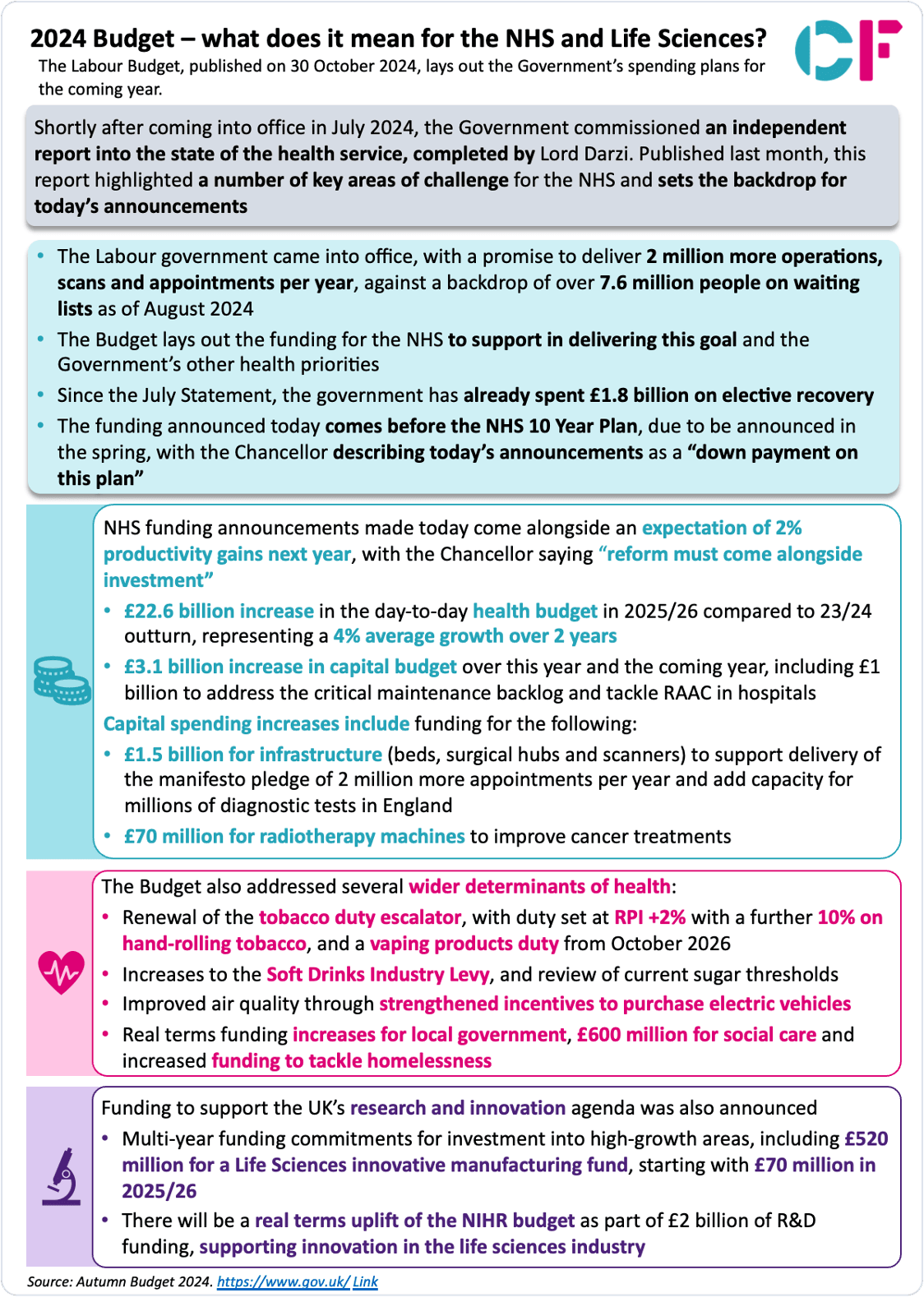
Like any large organisation, the NHS faces pressure points. An aging population, rising prevalence of chronic conditions, and workforce shortages strain capacity. Funding debates are perennial, with policymakers balancing the need for investment against broader fiscal constraints.
Innovation is a growing focus. Digital health tools—such as NHS App, video consultations, and electronic prescriptions—aim to improve efficiency and patient experience. Meanwhile, the government’s long‑term plan highlights prevention, integrated care pathways, and increased staff recruitment as pillars for sustainability.
FAQ
Is the NHS truly free for everyone? In principle, yes, for services covered by the NHS. However, charges apply for some dental treatments, eye care, and prescriptions in England, unless you qualify for an exemption.
How does the NHS decide what treatments are covered? Decisions are guided by the National Institute for Health and Care Excellence (NICE), which assesses clinical effectiveness and cost‑effectiveness before recommending treatments for NHS funding.
Can I choose my GP or hospital under the NHS? You can register with any GP practice that accepts new patients in your local area. For hospitals, referrals are typically based on clinical need, though some elective procedures allow a degree of choice.
What isn’t covered by the NHS? Services like cosmetic surgery, most orthodontics, and many alternative therapies are usually not funded. Private health insurance can fill these gaps if you need them.