What the Piper Alpha Disaster Teaches About Offshore Safety
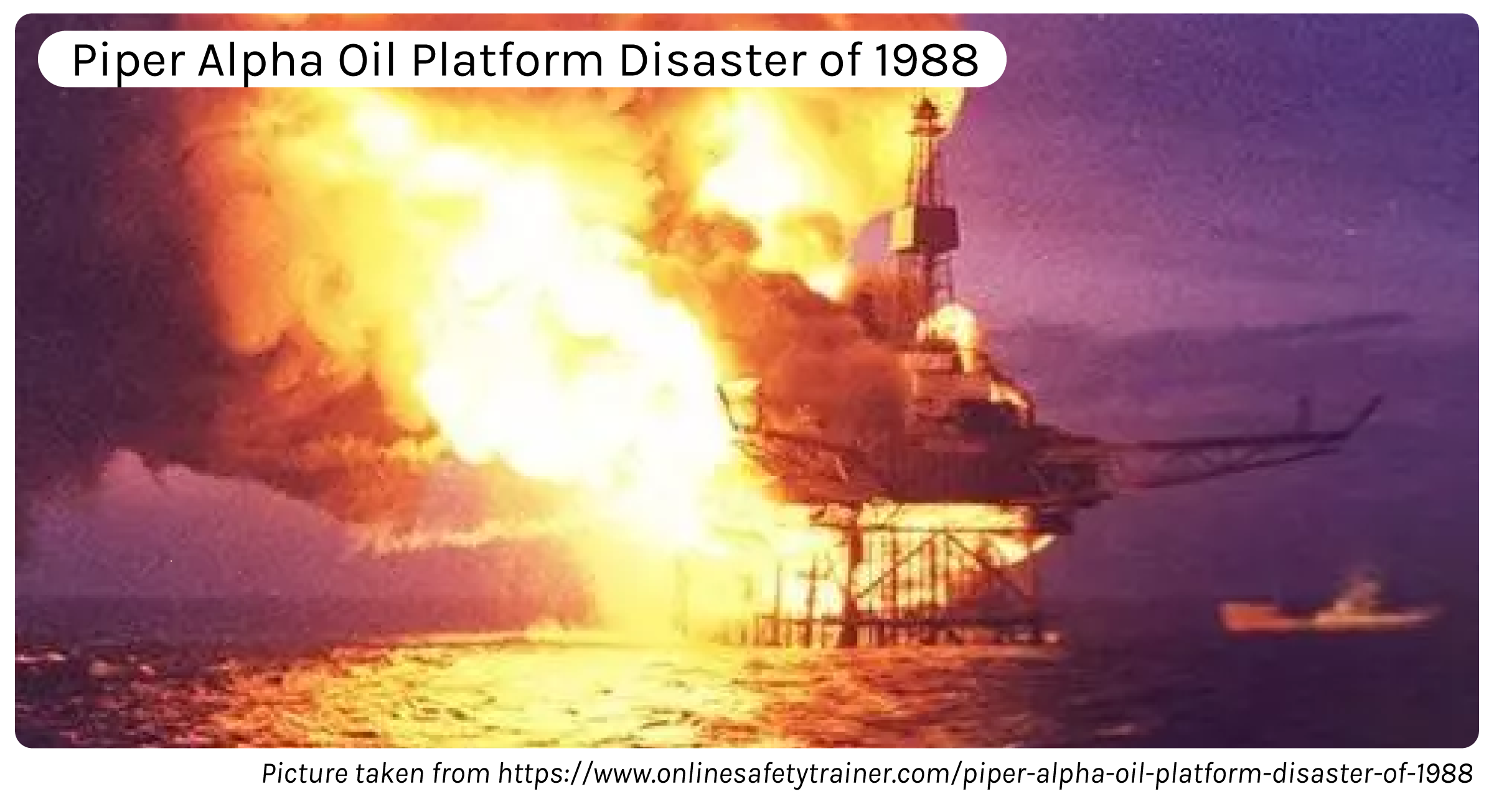
The Piper Alpha disaster, which unfolded on June 6, 1988, remains the deadliest offshore oil‑platform accident in history. In the span of less than an hour, a series of seemingly mundane errors spiraled into a catastrophic explosion that claimed 167 lives. Understanding how the tragedy unfolded—and what the industry has learned—offers a sobering roadmap for preventing similar loss of life on today’s offshore installations.
Background of the Piper Alpha Platform
Piper Alpha was a fixed production platform situated in the North Sea, roughly 120 km east of Aberdeen. Operated by Occidental Petroleum’s subsidiary Caledonia at the time, the structure housed a complex web of processing equipment, living quarters, and a crew of about 200 workers drawn from multiple contractors. The platform’s design, typical of the 1970s, emphasized production capacity over redundancy, a factor that later proved fatal when safety systems failed.
Immediate Causes of the Explosion
On the night of June 5, a routine maintenance operation required the shutdown of a condensate pump. Workers removed a safety valve but failed to install a replacement before the pump was later restarted. When the pump was turned back on the following morning, high‑pressure gas escaped into a nearby vent pipe. A spark from a welding torch ignited the gas, triggering a fire that quickly spread to the platform’s central gas‑compressor module.
The initial blaze set off a chain reaction. Explosive vapour traveled through the platform’s interconnected pipework, reaching the main deck where a massive secondary explosion ripped through the accommodation block. The lack of an operational emergency shutdown (ESD) system meant there was no way to isolate the fuel source once the fire took hold.
Systemic Failures That Fueled the Tragedy
While the technical trigger was a gas leak, deeper organisational shortcomings amplified the disaster:
- Poor Permit‑to‑Work Controls: The work permit system did not require a formal verification that the safety valve had been reinstated, allowing the pump to be restarted prematurely.
- Inadequate Communication: Multiple contractors operated on the platform, yet there was no unified command structure to coordinate emergency response.
- Insufficient Training: Many crew members were unfamiliar with the platform’s emergency shutdown procedures, and drills were infrequent.
- Design Limitations: Critical escape routes were obstructed by equipment, and the platform lacked sufficient fire‑suppression systems on the deck.
These issues combined to create a situation where a single human error cascaded into a full‑scale catastrophe.
Key Lessons for Modern Offshore Operations
In the wake of Piper Alpha, the industry has embraced several hard‑won principles that now sit at the core of offshore safety management:
- Robust Permit‑to‑Work Systems: Every maintenance activity now requires a documented verification step, ensuring that critical safety devices are in place before equipment is re‑energized.
- Integrated Safety Culture: Operators emphasize a “safety‑first” mindset, encouraging workers to speak up about hazards without fear of reprisal.
- Redundant Emergency Shutdowns: Modern platforms are equipped with multiple, independent ESD circuits that can isolate gas supplies automatically when a fire is detected.
- Clear Command Structures: A single offshore installation manager (OIM) now holds ultimate authority during emergencies, streamlining decision‑making.
- Enhanced Escape Planning: Escape routes are kept clear, and personal life‑saving equipment is regularly inspected and readily accessible.
These practices are not merely check‑box items; they reflect an industry‑wide shift toward anticipating failure rather than merely reacting to it.
Regulatory Changes Sparked by the Disaster
Britain’s response was swift and decisive. The public inquiry, chaired by Lord Cullen, produced a 106‑page report that laid out 106 recommendations. Among the most influential outcomes were:
- The Health and Safety at Work etc. Act 1974 was extended to offshore installations, giving the Health and Safety Executive (HSE) direct authority.
- The introduction of the Safety Case Regime in 1992, requiring operators to demonstrate that all identified hazards are effectively controlled.
- Mandated Emergency Response Plans for each platform, with regular drills involving all contractors.
- Stricter Design Standards for new platforms, emphasizing fire resistance, separation of high‑risk areas, and redundancy of critical systems.
These regulatory reforms have been credited with significantly lowering the frequency of major offshore incidents in the decades since.
Can a Similar Incident Happen Today?
While the risk can never be eliminated entirely, the combination of tighter regulations, advanced monitoring technology, and a more proactive safety culture makes a repeat of Piper Alpha far less likely. Real‑time gas detection, automated shutdowns, and digital permit‑to‑work platforms provide layers of protection that were simply unavailable in 1988. Nonetheless, complacency remains a danger; continuous vigilance and periodic safety reviews are essential to keep the lessons alive.
Frequently Asked Questions
What triggered the initial fire on Piper Alpha?
The fire began when a condensate pump was restarted without a safety valve in place, allowing high‑pressure gas to leak and ignite from a nearby welding operation.
How did the Piper Alpha disaster change offshore regulations?
The incident led to the Cullen Report’s recommendations, which introduced the Safety Case regime, gave the HSE direct oversight of offshore sites, and mandated comprehensive emergency response and permit‑to‑work procedures.
Are modern offshore platforms safer than those of the 1980s?
Generally, yes. Modern platforms feature redundant safety systems, real‑time monitoring, and stricter regulatory oversight, all of which reduce the likelihood of a single point of failure causing a catastrophic event.