Why Lion Air’s Failed Takeoff Raises Safety Concerns
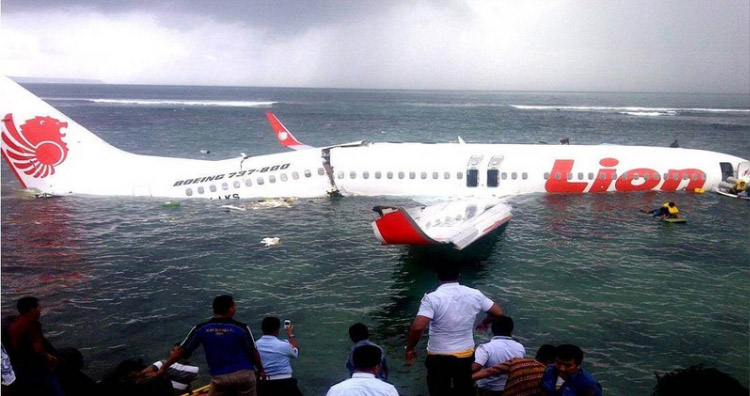
When a Lion Air flight attempted to leave the runway last month and stalled before gaining altitude, the incident sparked a flurry of headlines and social‑media speculation. While no injuries were reported, the episode has reignited debates about the airline’s safety culture, aircraft maintenance practices, and the broader regulatory environment in Indonesia. Understanding what went wrong and why it matters can help passengers, industry watchers, and policymakers gauge the true risk landscape.
What Happened During the Failed Takeoff?
According to the flight data recorder, the Boeing 737‑800 began its roll on a wet runway at Jakarta’s Soekarno‑Hatta Airport. Shortly after reaching a speed of roughly 130 knots, the pilots received an abnormal engine vibration warning. The crew attempted a rejected takeoff, but the aircraft failed to decelerate as expected, skidding to a halt with the nose gear still on the pavement. Ground crews reported minor structural damage, and the airline grounded the plane for a thorough inspection.
Investigators from the National Transportation Safety Committee (NTSC) later confirmed that a malfunctioning thrust reverser, combined with a delayed response to the engine alert, were the primary technical contributors. Human factors—particularly crew coordination under stress—also played a notable role.
Underlying Safety Issues Highlighted
The incident shines a light on several persistent challenges that have long shadowed Lion Air’s operations:
- Maintenance Oversight: Past audits have flagged inconsistencies in the airline’s scheduled inspections, especially for older airframes operating beyond their design life.
- Pilot Training Gaps: While Lion Air complies with Indonesia’s basic licensing standards, critics argue that recurrent simulator sessions on emergency thrust‑reverser failures are insufficient.
- Regulatory Enforcement: The Directorate General of Civil Aviation (DGCA) has faced criticism for delayed enforcement actions, often waiting for high‑profile accidents before imposing stricter audits.
- Weather‑Related Procedures: Jakarta’s monsoon season brings heavy rain and reduced runway friction, demanding more rigorous go‑around protocols that some crews have reportedly ignored.
These factors don’t operate in isolation; they intersect in ways that can amplify risk. For instance, a marginally worn thrust‑reverser component may be tolerable under perfect conditions, but combined with a slick runway and a crew still mastering emergency drills, the margin for error shrinks dramatically.
Industry Response and Preventive Measures
In the wake of the event, Lion Air issued a statement pledging “a comprehensive review of all operational procedures.” The airline has already scheduled an independent audit by an international aviation consultancy, focusing on:
- Enhanced inspection frequency for thrust‑reverser assemblies.
- Mandatory simulator training on rejected‑takeoff scenarios for all captains and first officers.
- Revised standard operating procedures for wet‑runway departures, including higher V1 speeds and earlier decision points.
The DGCA announced that it will increase spot‑checks at Jakarta and other busy airports, aiming to close the gap between scheduled compliance reviews and real‑time operational safety. Meanwhile, Boeing has offered technical assistance to ensure that any design‑related issues with the 737‑800’s reverser system are addressed promptly.
These steps signal a more proactive posture than in earlier years, yet some aviation experts caution that cultural shifts within the airline—such as encouraging crew members to speak up about safety concerns without fear of reprisal—are equally crucial.
What Passengers Should Know
For travelers booking Lion Air flights, the takeaway isn’t to abandon the carrier but to stay informed. Here are a few practical tips:
- Check Flight Status Updates: The airline’s app now pushes real‑time notifications about any operational changes, including maintenance‑related delays.
- Ask About Safety Briefings: While all commercial flights provide standard safety cards, you can request additional information on emergency procedures, especially if you have concerns about takeoff or landing protocols.
- Observe Crew Interactions: A professional, calm cockpit crew often reflects robust training; visible hesitation or rushed communication may be a red flag.
Overall, Lion Air continues to serve a massive domestic market, and its fleet remains one of the largest in Southeast Asia. The recent incident, however, underscores that safety is an ongoing process rather than a static achievement.
Frequently Asked Questions
What caused the thrust reverser to malfunction?
Preliminary findings point to a hydraulic seal failure that reduced the reverser’s ability to deploy fully. Maintenance records show the component had exceeded its recommended service interval, prompting the airline to replace it during the post‑incident inspection.
Is Lion Air considered safe compared to other Indonesian carriers?
Statistically, Lion Air’s incident rate aligns with regional averages for airlines operating similar aircraft types. Nevertheless, the airline has faced more public scrutiny than some peers due to past high‑profile events.
Will this incident affect my future flight bookings?
Most travel platforms will continue to list Lion Air alongside other carriers. If you remain uneasy, consider checking alternative airlines, but also weigh factors like route availability, price, and overall airline safety records.
How does the DGCA enforce safety standards after such events?
The DGCA typically issues corrective action notices, mandates additional audits, and may temporarily suspend operations of specific aircraft until compliance is verified. In severe cases, they can revoke an airline’s operating certificate.