Your Complete Guide to the 2012 Toyota Yaris Automatic
2012 Toyota Yaris Automatic Overview
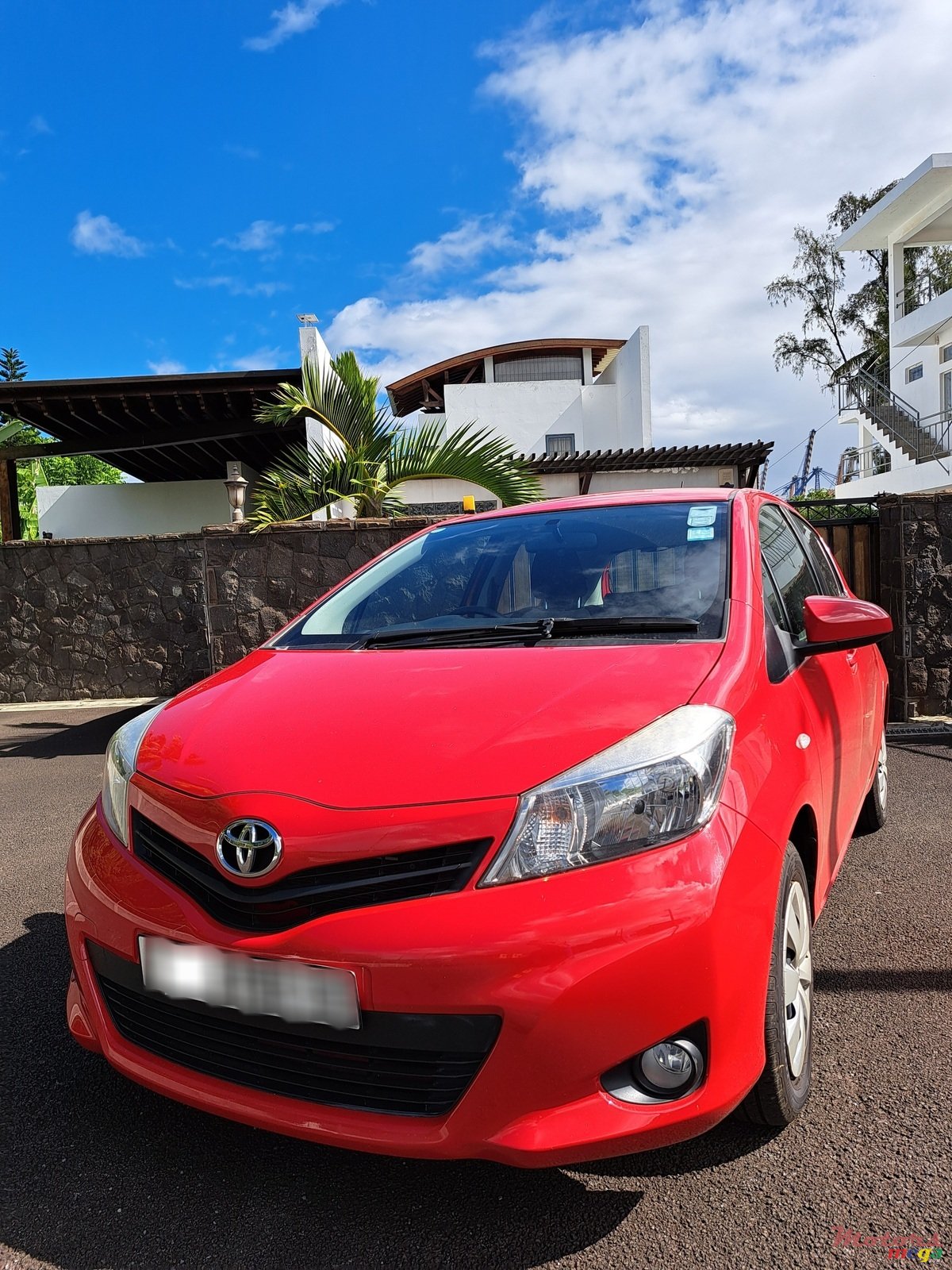
The 2012 Toyota Yaris in its automatic guise is a subcompact that quietly punches above its weight. It packs a 1.5‑liter four‑cylinder engine, paired with a four‑speed automatic gearbox, delivering a modest 106 horsepower. Buyers typically appreciate its blend of city‑friendly dimensions, dependable Toyota pedigree, and surprisingly comfortable ride for a car of this size.
Engine and Transmission Details
Under the hood, the Yaris uses the same 1.5 L DOHC engine found in many of Toyota’s small‑car lineups. The powerplant is mated to a conventional torque‑converter automatic, not a CVT, which some drivers prefer for its familiar shifting feel. Acceleration is modest—0‑60 mph in roughly 10 seconds—but the engine remains smooth and low‑maintenance.
- Fuel injection: Multi‑point
- Compression ratio: 10.5:1
- Transmission: 4‑speed automatic, lock‑up torque converter
Fuel Economy and Driving Costs
One of the Yaris’s strongest selling points is its fuel efficiency. EPA estimates place the 2012 automatic at about 28 mpg city and 35 mpg highway, which translates to roughly $1,200‑$1,400 in annual fuel costs for an average driver. Real‑world reports often echo these numbers, especially when the car is kept within its sweet spot of gentle acceleration.
Interior Comfort and Technology
Inside, the Yaris feels more spacious than its exterior suggests. Front seats are supportive, while rear‑seat legroom accommodates two adults on short trips. The standard audio system includes a CD player, AUX input, and a basic AM/FM tuner; higher trims add Bluetooth connectivity and a USB port.
Controls are straightforward—no exotic menus—so new owners can focus on the road rather than fiddling with buttons. Climate control is manual, but the vents are well‑placed, keeping occupants comfortable in both summer heat and winter chill.
Safety Features
Safety isn’t an afterthought in the 2012 Yaris. It comes equipped with dual front airbags, side‑curtain airbags, and anti‑lock brakes (ABS). While it lacks advanced driver‑assist systems found in newer models, the car’s lightweight chassis contributes to agile handling, which can help avoid collisions.
Common Issues and Reliability
Overall reliability scores for the 2012 Toyota Yaris Automatic are solid, reflecting Toyota’s reputation for durability. Nonetheless, a few quirks surface among higher‑ mileage examples:
- Transmission fluid leaks: Some owners report seal wear around the rear main seal, leading to occasional fluid seepage.
- Air conditioning compressor noise: A rattling sound can develop as the compressor ages, though it rarely affects cooling performance.
- Suspension wear: Front strut mounts may loosen after extensive city driving on rough roads.
Most of these issues are inexpensive to address, especially compared with the cost of major engine repairs.
Maintenance Tips to Extend Longevity
Sticking to a regular service schedule can keep the Yaris humming for years. Consider these practical pointers:
- Change the automatic transmission fluid every 60,000 miles or as recommended in the owner’s manual.
- Inspect and replace the cabin air filter annually to maintain interior air quality.
- Rotate tires every 5,000‑6,000 miles to ensure even wear and preserve handling.
- Watch for the “check engine” light; many Yaris owners find that a simple O₂ sensor swap resolves the issue.
Buying Tips and Resale Value
If you’re shopping for a used 2012 Yaris Automatic, prioritize vehicles with a clean service history and low mileage—under 80,000 miles is a comfortable sweet spot. Look for signs of fluid leaks around the transmission pan and verify that the timing belt (if equipped) has been replaced at the manufacturer’s interval.
Resale value remains respectable; the Yaris typically retains about 55 % of its original price after five years, thanks to its reputation for low running costs. A well‑maintained example with a documented maintenance record can fetch a premium in the used‑car market.
Frequently Asked Questions
Is the 2012 Yaris Automatic suitable for long road trips?
Yes, while it’s optimized for city driving, the Yaris’s comfortable seats and decent highway fuel economy make it a viable option for occasional longer trips. Just ensure the transmission fluid is fresh before embarking.
How does the 2012 Yaris Automatic compare to its CVT‑equipped siblings?
The four‑speed automatic offers a more traditional shift feel compared to the smoother, but sometimes “rubbery,” response of a CVT. Drivers who prefer distinct gear points often favor the Yaris’s setup.
What is the typical cost to replace the transmission in this model?
Labor and parts for a transmission rebuild or replacement generally range between $1,200 and $1,600, depending on regional labor rates. Many owners find that a fluid change and seal inspection can stave off costly repairs.