Your Ready‑Made Sweat Equity Partnership Agreement Template – How to Use It
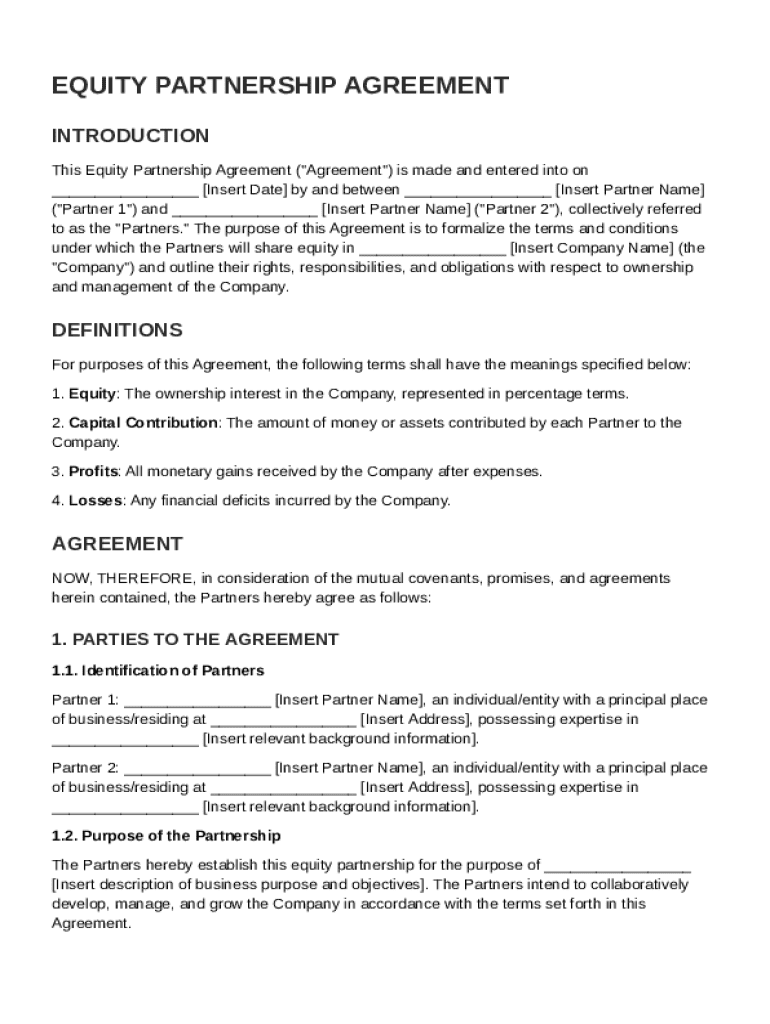
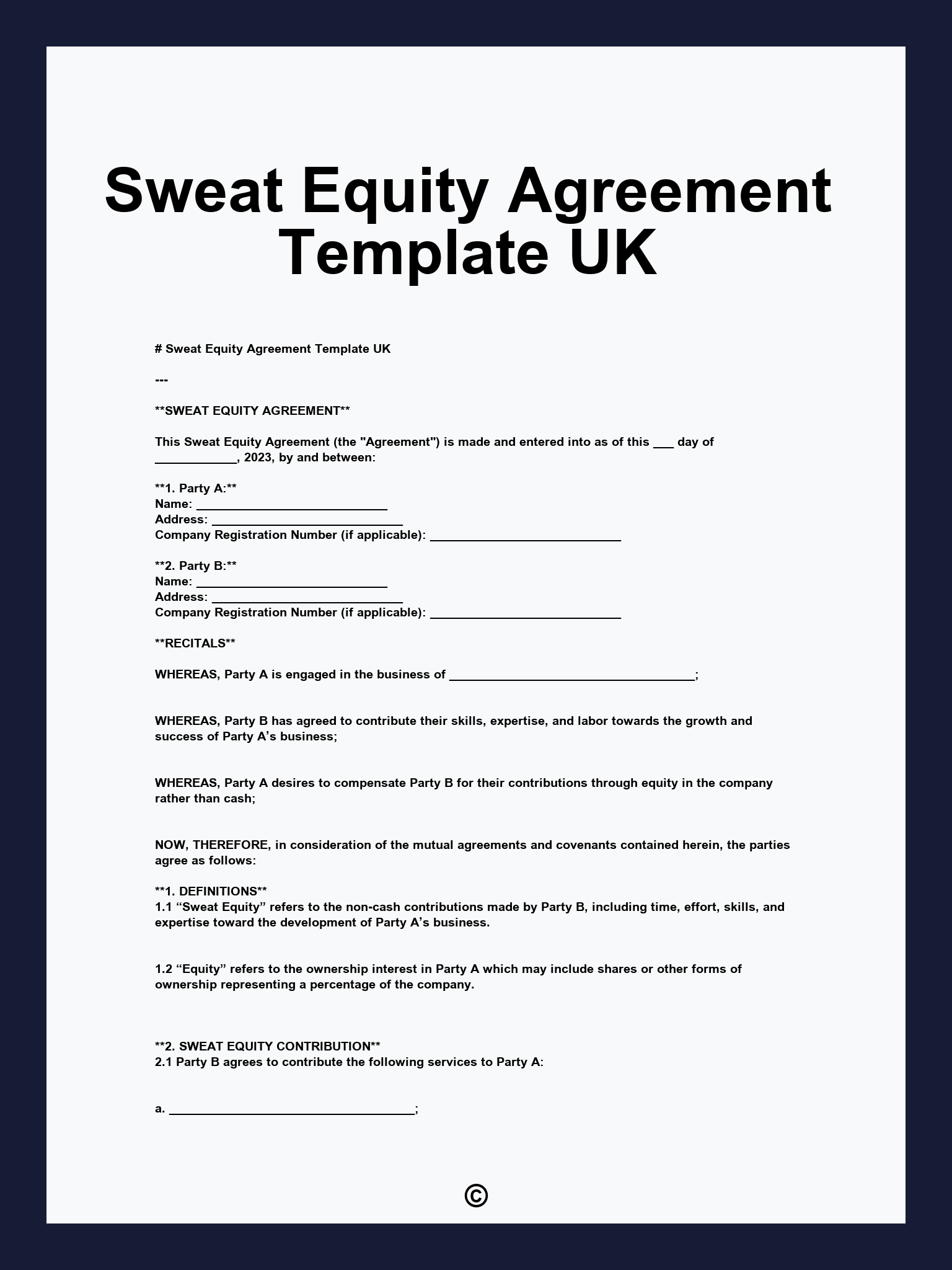
When two entrepreneurs decide to pool resources without cash, sweat equity becomes the lifeblood of the venture. A sweat equity partnership agreement template gives both parties a clear playbook: what each person brings to the table, how ownership shifts, and how disputes are settled. Even if you’re not a lawyer, using a solid template can prevent headaches down the road.
Key Elements of a Sweat Equity Partnership Agreement Template
A well‑structured template covers several core areas. Here’s a quick rundown:
- Capital Contributions – Document each partner’s effort: time, skills, equipment, or pre‑existing IP.
- Equity Allocation – Define percentage shares tied to the value of the sweat contribution and any future performance milestones.
- Roles & Responsibilities – Clarify day‑to‑day duties, decision‑making authority, and reporting requirements.
- Vesting Schedule – Protect the startup by requiring partners to stay active for a set period before fully earning their equity.
- Exit & Buy‑Back Clauses – Outline what happens if a partner leaves, gets bought out, or the company is sold.
- Dispute Resolution – Specify mediation, arbitration, or court pathways to resolve disagreements.
- Intellectual Property Rights – State who owns the work created during the partnership and how it can be used.
- Confidentiality & Non‑Compete – Keep proprietary information safe and prevent partners from competing directly during or after the partnership.
Step‑by‑Step: How to Draft Your Own Agreement Using the Template
Even a pre‑built template needs a touch of customization. Follow these steps to tailor it to your startup’s realities:
1. Quantify Sweat Contributions
Begin by listing every hour of labor, skill set, or resource each partner commits. Assign a realistic monetary value—this becomes the baseline for equity calculation.
2. Decide on an Equity Split Formula
Common methods include: equitable split based on contribution value, or dynamic split tied to milestones. Plug the numbers into the template’s equity allocation section.
3. Draft the Vesting Timeline
Typical schedules range from 24 to 48 months, with a 12‑month cliff. Make sure the template’s vesting clauses reflect your agreed timeline.
4. Clarify Roles Early
Write specific titles (e.g., CTO, COO) and responsibilities. The more precise, the less room for ambiguity later.
5. Insert Exit Scenarios
Decide on buy‑out prices: fixed, formulaic (e.g., multiple of earnings), or appraisal‑based. Ensure the template’s exit clauses capture these choices.
6. Final Review and Signatures
Once the document looks solid, have each partner sign in the presence of a witness or notary if required in your jurisdiction.
Common Pitfalls to Avoid
Even the most comprehensive template can fall short if you overlook certain details:
- Underestimating Sweat Value – Failing to assign a proper dollar value can lead to disputes over ownership percentages.
- Neglecting Vesting – Without a vesting schedule, a partner could walk away with full equity after only a few months.
- Vague Role Definitions – Ambiguous duties can create power struggles and operational bottlenecks.
- Ignoring Legal Requirements – Some jurisdictions require specific disclosures or notarization for partnership agreements.
Customization Tips for Niche Industries
Whether you’re launching a tech startup, a boutique design firm, or a community garden, tweak the template to fit your context:
- Tech Startups – Include clauses on code ownership, open‑source licenses, and data security.
- Creative Studios – Add provisions for copyright transfer and royalty splits.
- Retail or Service Businesses – Address supply chain responsibilities and customer service standards.
Where to Find a Reliable Sweat Equity Partnership Agreement Template
Many online resources offer free or low‑cost templates, but quality varies. Look for:
- Reputable legal sites that keep templates updated with current statutes.
- Startup hubs or incubators that provide vetted documents.
- Professional networks where seasoned founders share their battle‑tested agreements.
Always pair the template with a brief consultation from a legal professional familiar with partnership law to confirm compliance.
FAQ
- What if my partner contributes more labor than the other? The equity split should reflect the relative value of each contribution. You can adjust percentages or set up a vesting schedule that rewards continued effort.
- Can the agreement be modified after signing? Yes, but any changes should be documented in a written amendment signed by all parties.
- Do I need a lawyer to review the template? While not mandatory, a lawyer can identify jurisdiction‑specific requirements and potential loopholes.
- What happens if a partner leaves before vesting ends? The agreement typically includes a buy‑back clause that allows the company to repurchase unvested shares at a predetermined price.