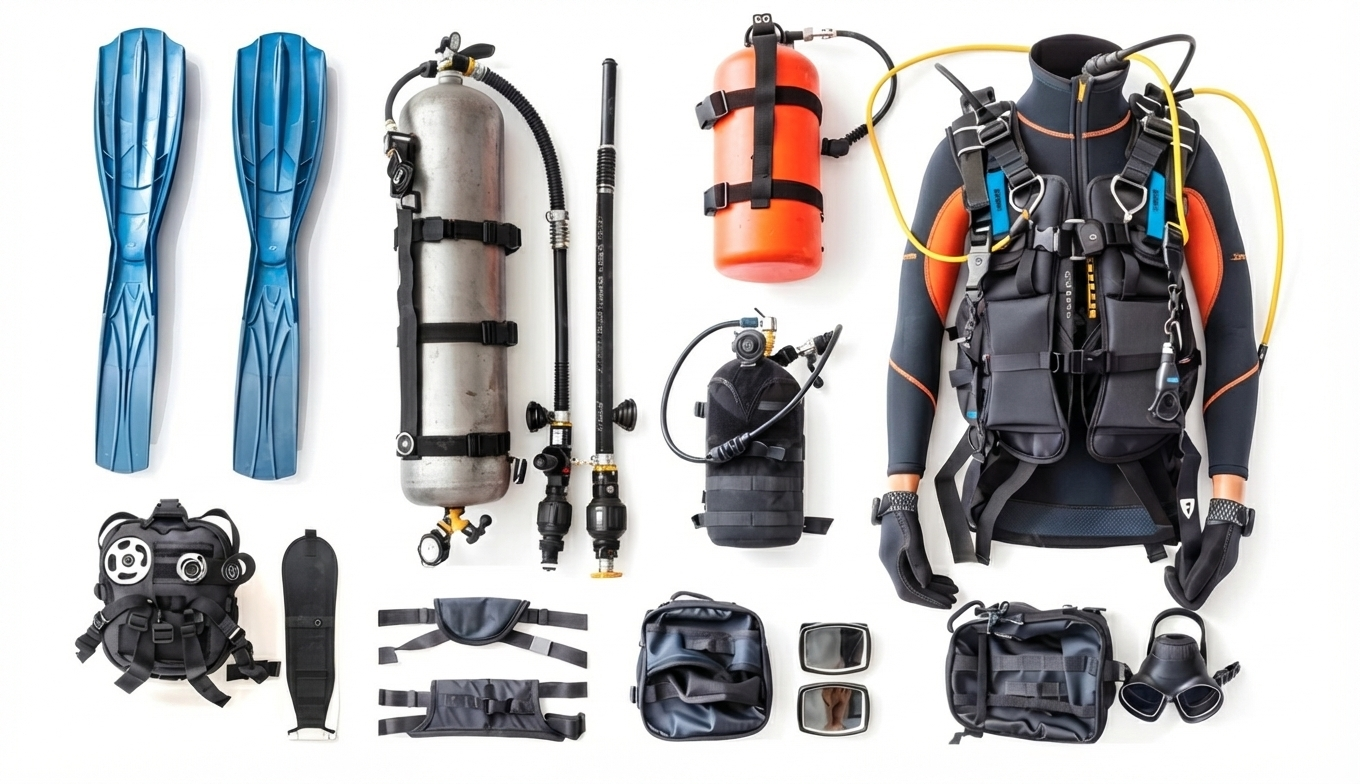
Essential Diving Gear: A Complete Guide for Every Diver
Diving opens a whole new world beneath the waves, but the experience hinges on one thing: the equipment you trust. Whether you’re slipping on a mask for the first time or planning a multi‑day reef expedition, knowing which pieces are truly essential can mean the difference between a smooth dive and a stressful scramble. Below we break down the must‑have gear, why each item matters, and how to keep it in top condition.
What Defines “Essential” Diving Equipment?
In the diving community “essential” usually refers to anything you can’t safely do without for a given dive type. That includes the basic life‑support system, visibility aids, and safety accessories that meet industry standards. While personal preference adds flavor, the baseline gear is consistent across recreational, technical, and professional settings.
Core Gear Every Diver Needs
Mask and Snorkel
A well‑fitting mask creates the seal that protects your eyes and sinuses from salty water. Look for tempered glass lenses and a silicone skirt that molds comfortably to your face. A simple, low‑volume snorkel reduces drag and makes surface breathing easier during calm rests.
Regulator Set
The regulator is your lifeline, converting high‑pressure tank gas to breathable air at ambient pressure. Most divers rely on a first‑stage unit attached to the tank and a second‑stage mouthpiece that delivers air on inhalation. A backup (octopus) regulator is mandatory for safety.
Buoyancy Control Device (BCD)
A properly sized BCD lets you fine‑tune your buoyancy throughout the dive. Inflatable bladders, often controlled by a low‑pressure inflator hose, allow you to ascend, descend, and hover with minimal effort. Modern BCDs include integrated weight systems to reduce hassle.
Dive Computer
Gone are the days of juggling tables; a dive computer tracks depth, time, and nitrogen load in real time, alerting you when you approach decompression limits. Choose a model with a clear display, easy navigation, and reliable battery life for the environments you frequent.
Exposure Suit
Depending on water temperature, a wetsuit or drysuit protects you from hypothermia. Wetsuits trap a thin layer of water that your body warms, while drysuits keep you completely insulated, ideal for colder or longer dives. Thickness and material should match the typical dive conditions you encounter.
Fins
Efficient fins translate leg movement into forward thrust, conserving energy and reducing air consumption. Split‑fin designs offer flexibility, whereas paddle‑type fins deliver raw power for stronger currents. Fit is crucial—too loose and they’ll slip off; too tight and they’ll tire you quickly.
Weights
Weight systems counteract the buoyancy of your suit and gear. Integrated weight pockets in a BCD simplify adjustments, while traditional weight belts provide a quick‑release option. The amount needed varies with suit thickness, tank size, and personal body composition.
Specialty Equipment for Specific Environments
While the core list covers most recreational dives, certain scenarios call for additional gear.
- Dry Suit and Undergarments: Essential for cold water, deep wrecks, or long‑duration dives where a wetsuit won’t keep you warm.
- Underwater Lights: Critical for night dives, cavern explorations, or any low‑visibility situation.
- Rebreather Units: Used by technical divers to recycle exhaled gases, extending dive time and reducing bubble production.
- Surface Marker Buoys (SMBs): A safety device that signals your position to the boat, especially valuable when surfacing far from the dive boat.
- Compass and Underwater Navigation Tools: In environments lacking natural landmarks, a reliable compass helps maintain your planned route.
Maintaining Your Diving Equipment
Regular maintenance preserves functionality and extends the lifespan of your gear. Rinse everything with fresh water after each dive to remove salt and sand. Inspect the mask for scratches, check the regulator’s O‑rings for wear, and service the dive computer according to the manufacturer’s schedule—typically annually. For BCDs, verify that inflation and dump valves operate smoothly; a clogged valve can become a serious hazard underwater.
When it comes to exposure suits, wash them inside‑out with mild detergent and allow them to air‑dry away from direct sunlight to avoid UV degradation. Fins should be rinsed and stored with the blades upright to prevent warping.
Choosing the Right Set for Your Diving Style
Beginners often opt for a “starter kit” that bundles a mask, snorkel, regulator, BCD, and fins. While convenient, it’s worth customizing the kit to fit your body shape and preferred dive conditions. For example, a diver who spends most of their time in tropical reefs may prioritize a thin 3 mm wetsuit and a high‑performance split fin, whereas a wreck explorer in temperate waters will benefit from a thicker suit and a more robust regulator with an integrated pressure gauge.
Try on equipment in a reputable dive shop before purchasing. Proper fit reduces fatigue, improves safety, and enhances overall enjoyment. If you’re planning to dive in multiple regions, consider a modular BCD that accepts both integrated and belt‑mounted weight systems, giving you flexibility without extra bulk.
Frequently Asked Questions
What should I look for when buying my first regulator?
Choose a reputable brand, verify that the first‑stage is compatible with the tank valve type you’ll use, and ensure the second‑stage mouthpiece feels comfortable. A balanced‑piston design often provides smoother breathing at varying depths.
Do I really need a dive computer for a recreational dive?
While it’s technically possible to dive using depth‑time tables, a dive computer offers continuous monitoring and reduces the risk of exceeding safe nitrogen limits. It’s the safest and most convenient option for most recreational divers.
How often should I replace my mask lens?
If the lens has scratches that impair vision or compromise the seal, replace it immediately. Minor surface marks can be polished, but any damage affecting structural integrity warrants a new mask.
Can I share my BCD with another diver?
Sharing a BCD is not recommended because the fit is highly individual. An ill‑fitting BCD can hinder buoyancy control and may lead to air consumption issues during the dive.