Fresh Alternatives: Using ‘Latest’ Synonyms in English
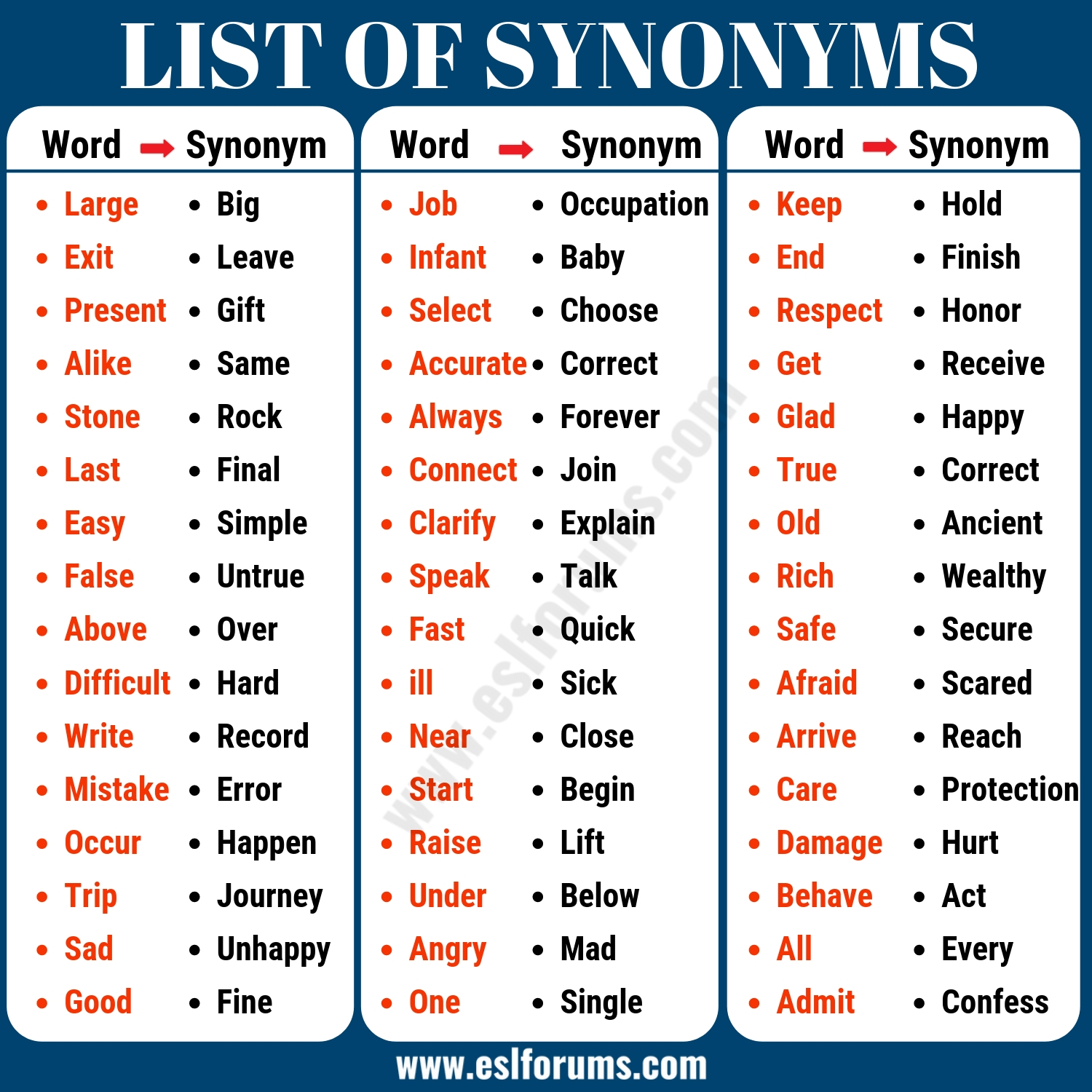
When you reach for “latest” in a sentence, you’re often hunting for the freshest, most up‑to‑date nuance. But English offers a whole toolbox of words that can convey the same idea with a slightly different flavor. Exploring latest synonyms not only sharpens your style, it helps you avoid repetition and match the exact tone you need. Below we’ll unpack the most useful alternatives, show when each shines, and flag the occasional trap.
Why Look for Alternatives to “Latest”?
First, variety keeps readers engaged. Repeating the same word can make even a compelling article feel stale. Second, each synonym carries its own connotation—some suggest cutting‑edge technology, others hint at a recent development, and a few imply a fleeting trend. Choosing the right one can subtly shift the focus of your message.
Finally, some contexts demand precision. A news report might need “most recent,” while a marketing copy could benefit from the excitement of “brand‑new.” Understanding those shades of meaning lets you tailor language to the audience and purpose.
Core Synonyms and Their Sweet Spots
Here’s a quick guide to the most common replacements and the situations they suit best:
- Newest – Works well for tangible items (e.g., “the newest smartphone”). Implies a chronological order.
- Most recent – Ideal for events or data (e.g., “the most recent figures”). Emphasizes that nothing newer has appeared yet.
- Up‑to‑date – Perfect for information that needs regular refreshing (e.g., “an up‑to‑date guide”). Conveys reliability.
- Current – Broadly applicable, especially when contrasting with past versions (e.g., “the current policy”). Neutral tone.
- Fresh – Adds a sense of novelty and appeal (e.g., “fresh ideas”). Often used in creative or marketing contexts.
- Brand‑new
- State‑of‑the‑art – Signals high technology or cutting‑edge quality (e.g., “state‑of‑the‑art equipment”). Slightly formal.
- Hot off the press – Colloquial, evokes immediacy (e.g., “hot off the press news”). Best in informal writing.
- Recent – Simple and versatile (e.g., “recent developments”). Works in both formal and casual prose.
Choosing the Right Fit: Context Matters
Think of each synonym as a tool in a kitchen drawer. You wouldn’t use a whisk to chop vegetables, just as you wouldn’t drop “brand‑new” on a historical analysis. Ask yourself three quick questions:
- Is the subject an object, a piece of information, or an event?
- Do you need a neutral tone, or is excitement desirable?
- How formal is the setting?
For a tech blog announcing a software update, “state‑of‑the‑art” or “fresh” might hit the right note. In a scientific paper, “most recent” or “up‑to‑date” maintains credibility without sounding gimmicky.
Common Pitfalls and How to Dodge Them
Even the best synonyms can trip you up if you’re not careful. Here are a few frequent missteps:
- Over‑precision – Using “newest” for something that isn’t strictly chronological can mislead readers.
- Tone clash – “Hot off the press” feels out of place in a legal memorandum.
- Redundancy – Pairing “latest” with another synonym (e.g., “the latest, most recent data”) adds no value.
A quick read‑through for tone consistency usually catches these issues before they slip into the final draft.
Putting Synonyms into Practice
Let’s rewrite a couple of sentences to see the impact:
Original: The latest study shows a rise in renewable energy use.
Option 1: The most recent study shows a rise in renewable energy use.
Option 2: The up‑to‑date study shows a rise in renewable energy use.
Both alternatives preserve the factual core while nudging the reader’s perception—Option 1 feels timely, Option 2 feels reliable.
Beyond Single Words: Phrases That Carry “Latest” Meaning
Sometimes a phrase works better than a single synonym. Consider these options when you need a bit more nuance:
- “In the newest wave of” – great for trends (e.g., “in the newest wave of fashion”).
- “As of now” – emphasizes present relevance without directly saying “latest”.
- “Just released” – perfect for product launches.
- “On the cutting edge” – conveys both novelty and technological superiority.
Mixing single‑word synonyms with these phrases can keep your prose lively and precise.
FAQ
What’s the difference between “newest” and “most recent”?
“Newest” usually describes the latest version of a tangible item, while “most recent” is broader, covering events, data, or publications. The former is chronological, the latter focuses on temporal proximity.
Can “fresh” be used for abstract concepts?
Yes, but it works best when you want to inject a sense of novelty or vigor, such as “fresh perspectives” or “fresh ideas.” It’s less formal than “up‑to‑date.”
Is “state‑of‑the‑art” appropriate in everyday conversation?
It’s more suited to written or formal contexts, especially when discussing technology or design. In casual chat, “cutting‑edge” or simply “latest” feels more natural.