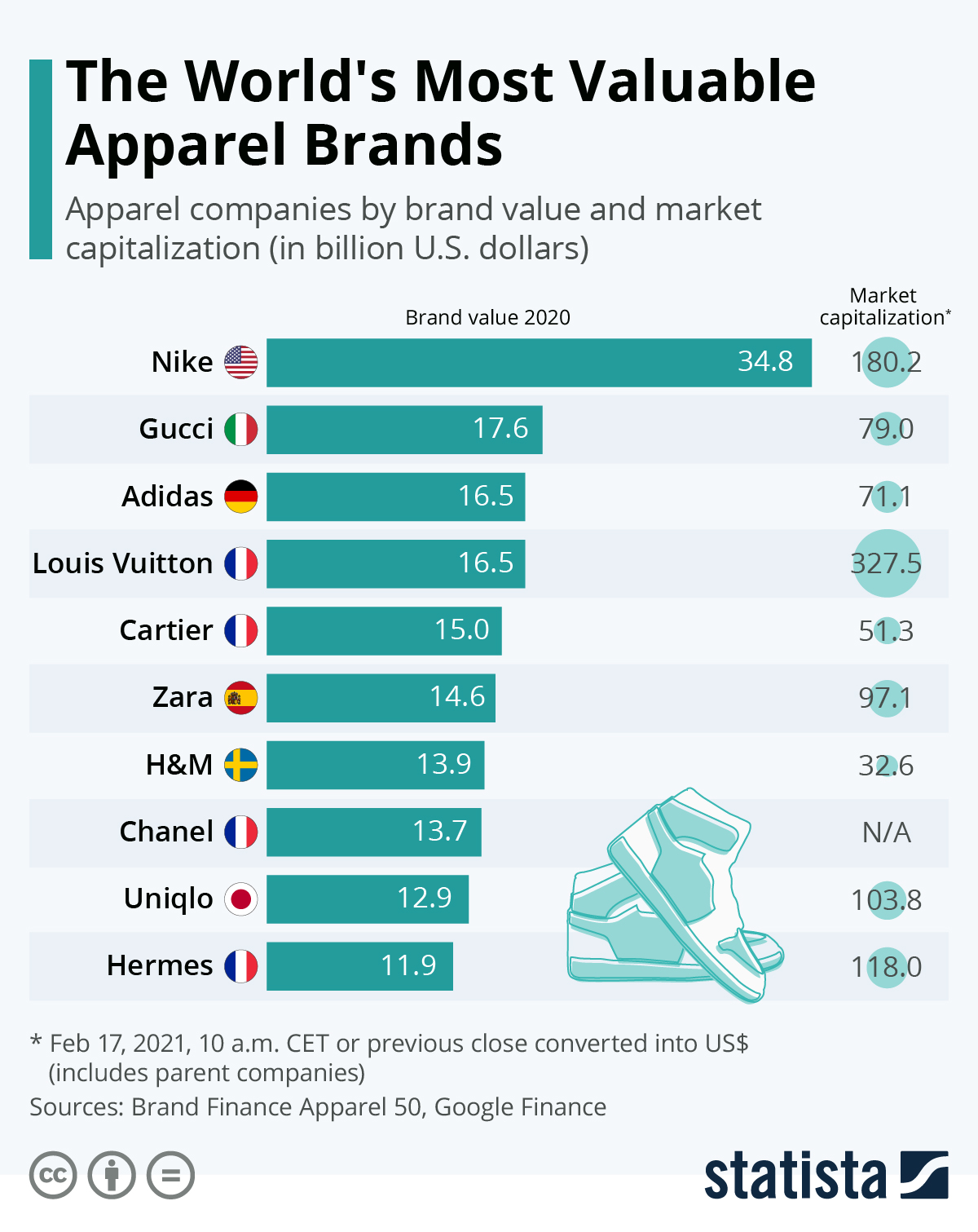
The 10 Most Influential Clothing Brands Around the World
When you think about the names that dominate store windows and social feeds, a handful of labels instantly spring to mind. From runway glamour to everyday athleisure, these companies shape how we dress, what we consider “in,” and even how we view sustainability. Below is a look at the world’s top 10 clothing brands, the reasons they earned their spot, and what sets each of them apart.
How We Chose the World's Top 10 Clothing Brands
We considered a blend of global reach, cultural impact, revenue, and the ability to drive trends beyond the fashion industry. Data from recent financial reports, brand perception surveys, and the presence of each label in multiple markets helped us rank the list. Longevity mattered too—brands that have adapted across decades earned extra credit.
The World's Top 10 Clothing Brands
1. Nike
Nike remains the undisputed leader in performance apparel and streetwear. Its “Just Do It” mantra resonates across sports, music, and fashion, turning a sneaker purchase into a cultural statement. Partnerships with athletes and designers continuously push the brand into new aesthetic territory while its digital ecosystem—apps, customization tools, and direct‑to‑consumer sales—keeps it ahead of the curve.
2. Adidas
Adidas balances heritage and hype like few others. The three‑stripe logo is instantly recognizable, and collaborations with designers such as Kanye West and Pharrell Williams have turned classic silhouettes into collector’s items. At the same time, the brand invests heavily in sustainable materials, aiming for a climate‑positive footprint by 2030.
3. Zara
Zara pioneered the “fast‑fashion” model that copies runway looks and ships them to stores within weeks. Its agile supply chain lets it respond to trends almost in real time, making the brand a go‑to for shoppers who want the latest looks without breaking the bank. Though the speed of production raises sustainability questions, Zara is rolling out a “Join Life” line built from recycled fibers.
4. H&M
H&M’s global footprint spans more than 70 countries, offering a wide range of basics, trend pieces, and collaborations with high‑end designers. The brand’s Conscious Collection showcases its push toward circular fashion, using organic cotton and recycled polyester. While price points stay accessible, H&M’s influence on style trends remains significant.
5. Uniqlo
Originating from Japan, Uniqlo focuses on functional basics that blend simplicity with technology. Its HeatTech and AIRism fabrics exemplify the brand’s commitment to comfort and performance. By keeping designs minimal and prices moderate, Uniqlo appeals to a broad audience looking for wardrobe staples that last.
6. Gucci
Gucci continues to dominate luxury fashion with its bold patterns, eclectic color palettes, and strong digital presence. Under creative director Alessandro Michele, the brand revived its heritage while courting younger shoppers through TikTok and limited‑edition drops. Gucci’s commitment to craftsmanship keeps it at the top of the luxury hierarchy.
7. Louis Vuitton
Louis Vuitton’s monogram remains a symbol of prestige worldwide. The house excels at blending timeless leather goods with avant‑garde runway shows, often collaborating with artists like Jeff Koons. Its travel heritage—originally a luggage maker—still informs product design, reinforcing the brand’s aura of refined adventure.
8. Chanel
Chanel’s influence stretches beyond the iconic tweed suit and the classic little black dress. The brand’s fragrance line, especially Chanel No. 5, is a cultural touchstone. Under the stewardship of Virginie Viard, Chanel continues to reinterpret its legacy while preserving an air of understated elegance.
9. Ralph Lauren
Ralph Lauren built an entire lifestyle around the “American Dream,” from polo shirts to upscale home décor. Its preppy aesthetic evokes a sense of nostalgia, and the brand’s ability to market across price tiers—Polo, Lauren, and the luxury Ralph Lauren Collection—keeps it relevant across generations.
10. Patagonia
Patagonia stands out for its activist stance on environmental issues. The outdoor‑apparel maker not only creates durable, performance‑driven gear but also donates a portion of its sales to conservation efforts. Its “Worn Wear” program encourages customers to repair and recycle, making sustainability a core part of its brand identity.
What Sets These Brands Apart
- Innovation: From Nike’s Flyknit to Uniqlo’s HeatTech, technology drives product differentiation.
- Storytelling: Brands like Gucci and Louis Vuitton weave heritage and modern culture into compelling narratives.
- Global Reach: Zara and H&M have mastered rapid expansion while keeping a consistent brand voice.
- Sustainability Focus: Patagonia and Adidas illustrate how eco‑initiatives can become a brand’s hallmark.
- Collaborations: Limited‑edition partnerships turn ordinary releases into cultural events.
Frequently Asked Questions
Which clothing brand is the most valuable in the world? As of the latest financial reports, Nike holds the top spot in market valuation among apparel companies, thanks to its extensive product range and strong digital sales channels.
Do any of the top 10 brands offer fully recycled collections? Both Adidas and Patagonia have made significant strides with fully recycled product lines; Adidas’s Parley partnership and Patagonia’s recycled fleece are prominent examples.
How can I tell if a brand’s “fast‑fashion” practices are sustainable? Look for transparent supply‑chain disclosures, third‑party certifications such as GOTS or Bluesign, and specific sustainability programs like Zara’s “Join Life” or H&M’s “Conscious Collection.”